
Verbi di Azione Verbale - Verbi per Implicare e Menzionare
Qui imparerai alcuni verbi inglesi che si riferiscono a implicare e menzionare come "accennare", "segnale" e "riferirsi a".
Revisione
Flashcard
forme
Ortografia
Quiz


to convey something without explicitly stating it

insinuare, lasciar intendere
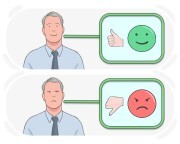
to suggest without explicitly stating
insinuare
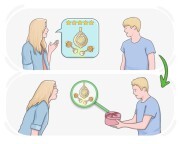
to suggest or communicate something indirectly rather than state it clearly
accennare
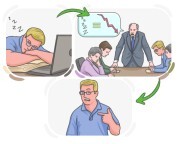
to suggest something in an indirect manner
insinuare
Nella riunione, il dipendente ha insinuato sottilmente che la decisione del manager potrebbe essere stata influenzata da pregiudizi personali.

to implicitly convey something such as an idea, feeling, etc. in addition to something's basic meaning
connotare
Le nuvole scure nel cielo connotano una tempesta in avvicinamento, creando un senso di presentimento.
to communicate or suggest something indirectly
annunciare

to give someone a message, instruction, etc. by making a sound or movement
segnalare
to convey something indirectly
implicare, sottintendere
Sebbene non sia mai stato dichiarato esplicitamente, i commenti dei testimoni implicavano che i due potessero aver avuto qualche disaccordo precedente.

to reach an understanding of something through questioning, investigation, or analysis
capire, afferrare
Non riesco proprio a capire cosa l'autore stia cercando di dire in questo libro.
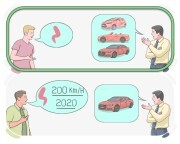
to mention something without directly talking about it in detail
alludere a, accennare a
Durante la conversazione, accennò a un'esperienza condivisa senza discuterne apertamente.

to say something about someone or something, without giving much detail
menzionare
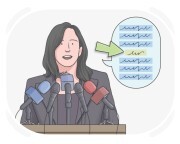
to briefly mention a subject in written or spoken discussion
accennare brevemente a un argomento, sollevare un punto senza spiegarlo nei dettagli
Il professore ha accennato a diversi eventi storici interessanti durante la lezione.
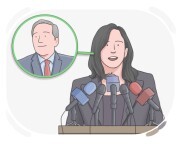
to mention or discuss someone or something
riferirsi a, fare riferimento a
Quando si discute di storia, è importante fare riferimento a eventi chiave che hanno plasmato il mondo.

to mention a particular subject
proporre
Potresti sollevare le tue preoccupazioni alla prossima riunione?
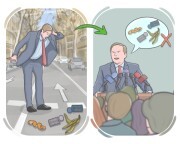
to introduce a subject for discussion, especially a sensitive or challenging matter
affrontare, sollevare
Nell'intervista, il giornalista ha abilmente sollevato l'argomento controverso, ottenendo risposte sincere dall'intervistato.

to bring up a topic or question for discussion
proposare
La questione del finanziamento è stata sollevata ma alla fine non è stata affrontata nella discussione.
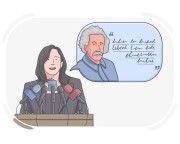
to use a specific statement, source, etc. as evidence or an example
citare, menzionare
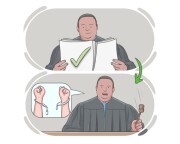
to mention something as an example, reason, or evidence in support of a statement or argument
citare
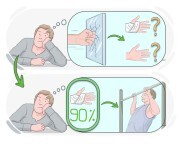
to propose or assume something as true or factual, serving as the foundation for further reasoning or argumentation
postulare
Nell'ipotesi scientifica, i ricercatori spesso ipotizzano certe condizioni per esplorare i loro potenziali effetti sull'esperimento.

to propose an idea or theory for discussion
offrire
