
Transporte Terrestre - Vehículos y Carruajes Históricos
Aquí aprenderás algunas palabras en inglés relacionadas con vehículos y carruajes históricos como "dandy horse", "litter" y "phaeton".
Revisión
Tarjetas de memoria
Ortografía
Cuestionario

a vehicle powered by a steam engine, typically fueled by burning combustible material

coche de vapor, automóvil de vapor
Los autos de vapor como el Locomobile eran preferidos por las personas adineradas por su funcionamiento silencioso en comparación con los primeros autos de gasolina.
a three-wheeled vehicle powered by a steam engine, typically used in the late 19th and early 20th centuries
triciclo de vapor, velocípedo de vapor
La colección del museo incluye un triciclo de vapor bellamente restaurado de 1890.
an early two-wheeled, human-powered vehicle that is propelled by the rider pushing their feet against the ground
draisiana, velocípedo
Los historiadores a menudo consideran al dandy horse como un precursor de la bicicleta moderna, destacando su importancia en la evolución del transporte personal.
an early form of bicycle, typically with three wheels and pedals for moving
velocípedo, triciclo antiguo
La tienda de antigüedades exhibía un velocípedo bellamente restaurado, un tesoro de tres ruedas de otra era.
a type of early motorcycle with an additional passenger seat mounted in front of the rider
forecar, motocicleta con asiento delantero
Restaurar el antiguo forecar requirió conseguir piezas auténticas de coleccionistas de todo el mundo.
a type of monorail or two-wheeled vehicle that uses gyroscopes to maintain balance and stability
gyrocar, vehículo giroscópico
La colección del museo incluye un prototipo raro del gyrocar de principios del siglo XX, atrayendo a muchos entusiastas de la tecnología.
a human-powered vehicle, typically an enclosed chair or bed, carried on poles by people
litera, palanquín
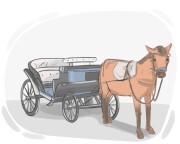
a type of carriage or vehicle used for transportation, typically pulled by horses or other animals
coche, carruaje
a light, open carriage with two wheels, often used in the 19th century
tilbury, un tilbury
El viejo tilbury, aunque desgastado, todavía conservaba un cierto encanto mientras rodaba por la calle adoquinada.
a lightweight, two-wheeled horse-drawn carriage, typically used for one person, often in horse racing
sulky, carruaje ligero de carreras
Compró un nuevo sulky para competir en el próximo derby.
a type of horse-drawn carriage designed for two passengers, with the driver seated behind and above the cab, often used as a taxi in the 19th and early 20th centuries
cabriolé hansom, coche hansom
El conductor manejó hábilmente el hansom cab por las calles concurridas.
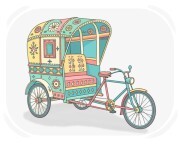
a doorless two-wheeled vehicle that holds one or two passengers and is drawn by a person walking or cycling, used in South East Asia
rickshaw
a vehicle on runners, typically horse-drawn, used for traveling over snow or ice
trineo, vehículo de nieve
Los trineos eran un modo de transporte esencial en áreas con fuertes nevadas.
a light four-wheeled horse-drawn carriage with open sides and a folding fabric roof
faetón, carruaje ligero de cuatro ruedas tirado por caballos
El protagonista de la novela solía dar largos paseos en su fragón para despejar la mente.
a light, two-wheeled horse-drawn carriage designed for one or two people
un cabriolé, una gig
a four-wheeled, horse-drawn carriage with a folding two-part roof that can be opened or closed, typically used for formal occasions
landó, carruaje de cuatro ruedas tirado por caballos con un techo plegable en dos partes
Los desfiles reales a menudo presentaban landós ornamentados.
a four-wheeled, horse-drawn carriage with a roof, an enclosed cabin for passengers, and an outside seat for the driver
brougham, carruaje de cuatro ruedas
Los broughams eran preferidos por su comodidad y protección contra el clima.
a light, open, two-wheeled carriage, usually for one or two people, often drawn by one horse
calesa
En los días soleados, preferían usar la calesa abierta.
a large, horse-drawn carriage used to carry passengers over long distances, often between towns
diligencia, carruaje de línea
La diligencia estaba cargada con mucho correo y paquetes.
a big, four-wheeled carriage pulled by horses. It has a foldable top over the back seat and seats for four people facing each other
barouche, calesa
Observaron el desfile desde la comodidad de su barouche.
a vehicle mounted on runners and pulled by dogs, traditionally used for travel over snow and ice
trineo de perros, vehículo tirado por perros
Los trineos de perros todavía se utilizan en algunas áreas remotas donde los caminos son inaccesibles.
a light, elegant, two-wheeled carriage with a folding hood, originally designed for two passengers
victoria, coche victoria
La era victoriana vio la popularidad del carruaje victoria entre la clase alta por su diseño elegante y sus asientos cómodos.
a type of sled historically used by Native American tribes and early settlers to transport goods over land, consisting of two long poles attached at one end and dragged by a horse or dog
travois, trineo indígena
Los indios de las llanuras adaptaron sus diseños de travois dependiendo de si estaban cazando o moviendo su campamento.
a simple wheeled vehicle, usually with two wheels, that is pulled by an animal and used to carry people or goods
carreta, carro
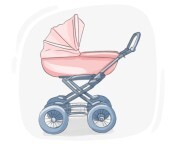
a wheeled vehicle used to carry a baby while walking
cochecito, carriola
Dobló el cochecito para que cupiera en el maletero del coche.
