
Libro Street Talk 1 - Lección 1
Aprende el vocabulario, las expresiones informales y el inglés conversacional que aparecen en Street Talk 1 Lección 1.
Revisión
Tarjetas de memoria
formas
Ortografía
Cuestionario


to make a mess of or ruin something, often through reckless actions or poor decision-making

arruinar, echar a perder
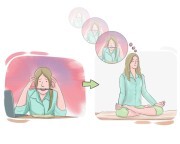
to relax and take a break especially when feeling stressed or upset
relajarse, calmarse y descansar
A veces, un baño caliente es la mejor manera de relajarse.
![to [draw] a blank](https://cdn.langeek.co/photo/29665/thumb/350?type=jpeg "to [draw] a blank")
to be unable to remember something clearly
quedarse en blanco, no acordarse de nada
Intenté recordar la dirección, pero no conseguía acordarme.

an awkward or nerdy person focused on studies at the expense of social grace
empollón, cerebrito
No lo llames un friki solo porque prefiere los libros a las fiestas.
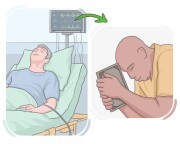
to cause worry or annoyance for someone
preocupar

an examination or assessment administered at the end of an academic term or course
examen final, final
to become extremely upset, agitated, or overwhelmed by fear, anxiety, or excitement
alterarse o asustarse muchísimo, perder el control por miedo o emoción
No te asustes, pero creo que perdí mi teléfono en algún lugar de la casa.
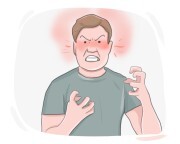
irritated or enraged to the point of frustration
muy alterado, hecho una furia
Se puso muy alterada por un error mínimo.
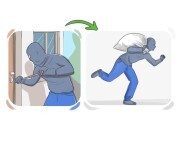
to escape punishment for one's wrong actions
librarse del castigo por una mala acción, hacer algo malo sin recibir castigo
El estafador intentó salirse con la suya estafando a personas inocentes, pero la justicia lo alcanzó.
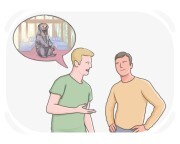
used to express astonishment, disbelief, or incredulity in response to something surprising or extraordinary
¡Vete de aquí!, ¡No me digas!
Sal de aquí, ¿me estás diciendo que conociste a la reina de Inglaterra?
to no longer bother someone and leave them alone
dejar a alguien en paz, dejar de molestar a alguien
Déjame en paz antes de que diga algo de lo que me arrepienta.
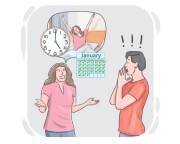
used to show one's disbelief or disagreement about what someone has just said
venga ya, no me tomes el pelo
Venga ya; ese plan no va a funcionar nunca.
to say, especially used when one is orally narrating something
decir
![to [have|get] the hots for {sb}](https://cdn.langeek.co/photo/40123/thumb/350?type=jpeg "to [have|get] the hots for {sb}")
to feel intense feelings of sexual attraction for someone
tener muchas ganas de alguien, morirse por alguien
Creo que se muere por ti.
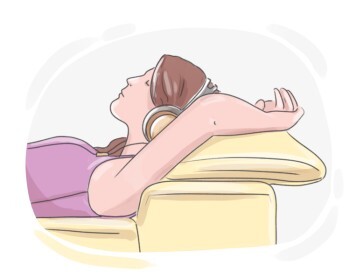
(of a person) calm and not easily stressed or bothered
relajado, tranquilo
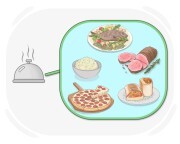
used to provide an example
por ejemplo, como
lacking awareness or understanding due to being uninformed
fuera de onda, desconectado
Parecía fuera de onda cuando el profesor preguntó sobre la tarea que no había leído.
![to [rub] {sb} the wrong way](https://cdn.langeek.co/photo/42584/thumb/350?type=jpeg "to [rub] {sb} the wrong way")
to cause someone to become extremely angry or upset without intending to
caerle mal a alguien sin querer, sacar de quicio a alguien sin querer
Sus consejos constantes ponían de los nervios a sus compañeros.
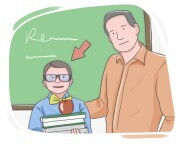
someone who is considered the teacher's favorite student and therefore has advantage over others in the classroom
alumno favorito del profesor, consentido del profesor
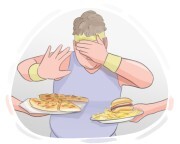
to endure, resist, or survive adverse conditions or challenges
soportar, resistir
a person's facial appearance, often used to refer to or identify an individual
rostro
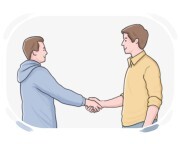
used as a greeting or conversation starter in casual settings
¿Qué tal?, ¿Qué pasa?
¿Ey, qué tal? ¿Algo emocionante pasando últimamente?
