
Książka Street Talk 1 - Lekcja 1
Poznaj słownictwo, nieformalne wyrażenia i konwersacyjny angielski przedstawione w Street Talk 1 Lekcja 1.
Przegląd
Fiszki
formy
Pisownia
Test


to make a mess of or ruin something, often through reckless actions or poor decision-making

zepsuć, zrujnować
Decyzja nastolatka o zorganizowaniu imprezy, gdy rodziców nie było, miała potencjał zrujnować ich zaufanie.
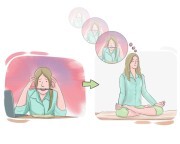
to relax and take a break especially when feeling stressed or upset
odprężyć się, zrelaksować się
Plaża to moje ulubione miejsce, aby zrelaksować się i odpocząć.
![to [draw] a blank](https://cdn.langeek.co/photo/29665/thumb/350?type=jpeg "to [draw] a blank")
to be unable to remember something clearly
mieć pustkę w głowie, nie móc sobie przypomnieć
Zapytała, gdzie wcześniej się spotkaliśmy, a ja miałem pustkę w głowie.

an awkward or nerdy person focused on studies at the expense of social grace
kujon, nerd
Biurowe dziwadło naprawiło sieć, podczas gdy wszyscy inni panikowali.
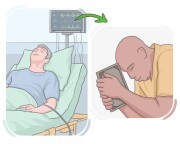
to cause worry or annoyance for someone
gryźć, zżerać
Wiedziała, że stres w pracy go zjada i że potrzebuje odpocząć.

an examination or assessment administered at the end of an academic term or course
egzamin końcowy, finał
Egzamin końcowy był wymagający, ale po nauce przez cały semestr czułem się przygotowany.
to become extremely upset, agitated, or overwhelmed by fear, anxiety, or excitement
wpadać w panikę, wariować
Dzieci oszalały z podekscytowania, gdy zobaczyły pokaz sztucznych ogni.
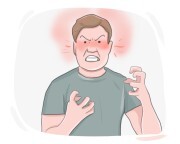
irritated or enraged to the point of frustration
strasznie wkurzony, wyprowadzony z równowagi
Nie ma powodu, żeby się tak wkurzać; możemy to naprawić.
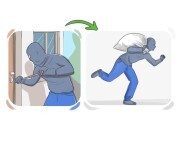
to escape punishment for one's wrong actions
wyjść na sucho, uniknąć kary
Myślała, że uda jej się wykpić oszukując na teście, ale nauczyciel się zorientował.
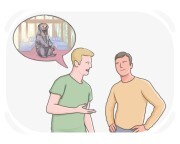
used to express astonishment, disbelief, or incredulity in response to something surprising or extraordinary
Wynoś się stąd!, Żartujesz!
Mówisz, że wygrałeś na loterii? Wynoś się stąd!
to no longer bother someone and leave them alone
dać komuś spokój, przestać komuś zawracać głowę
Reporter naciskał tak długo, aż aktor kazał mu dać sobie spokój.
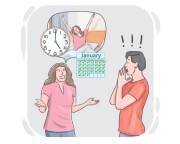
used to show one's disbelief or disagreement about what someone has just said
daj spokój, nie żartuj sobie
Nazywasz to uczciwą ofertą? Daj spokój.
to say, especially used when one is orally narrating something
mówić, powiedzieć
Zapytałem o jego plany, a on mówi: „Myślę o wyjeździe w podróż samochodową.”
![to [have|get] the hots for {sb}](https://cdn.langeek.co/photo/40123/thumb/350?type=jpeg "to [have|get] the hots for {sb}")
to feel intense feelings of sexual attraction for someone
mieć ochotę na kogoś, mieć chęć na kogoś
Oboje lecieli na siebie.
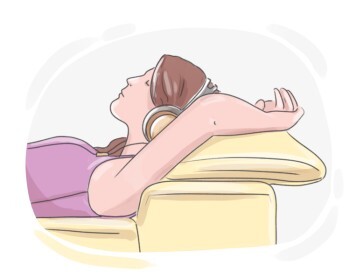
(of a person) calm and not easily stressed or bothered
wyluzowany, spokojny
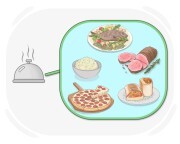
lacking awareness or understanding due to being uninformed
nieświadomy, oderwany
Zawsze czuje się nie na miejscu, gdy poruszany jest temat technologii.
![to [rub] {sb} the wrong way](https://cdn.langeek.co/photo/42584/thumb/350?type=jpeg "to [rub] {sb} the wrong way")
to cause someone to become extremely angry or upset without intending to
niechcący kogoś zirytować, działać komuś na nerwy
To, że ciągle mi przerywał, naprawdę mnie zirytowało.
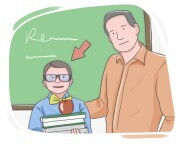
someone who is considered the teacher's favorite student and therefore has advantage over others in the classroom
pupil nauczyciela, ulubieniec nauczyciela
Uszło jej spóźnienie, bo była ulubienicą nauczyciela.
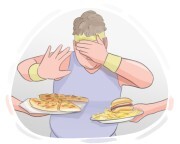
to endure, resist, or survive adverse conditions or challenges
wytrzymać, opierać się
Solidny most był w stanie wytrzymać siłę burzy.
a person's facial appearance, often used to refer to or identify an individual
twarz
Była znajomą twarzą w lokalnej kawiarni.
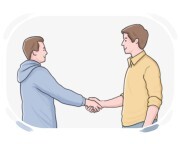
used as a greeting or conversation starter in casual settings
Co słychać?, Jak leci?
Yo, co słychać? Coś ekscytującego ostatnio się dzieje?
