Книга Street Talk 1 - Урок 1
Изучите словарный запас, неформальные выражения и разговорный английский, представленные в Street Talk 1 Урок 1.
Обзор
Флэш-карточки
формы
Правописание
Тест


to make a mess of or ruin something, often through reckless actions or poor decision-making

разрушить, испортить
В момент разочарования импульсивная вспышка Сары грозила разрушить её шансы на заключение важной сделки.
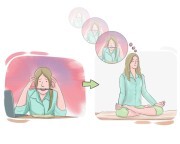
to relax and take a break especially when feeling stressed or upset
расслабиться
Терапевт предложил несколько техник, чтобы помочь расслабиться вашему разуму.
![to [draw] a blank](https://cdn.langeek.co/photo/29665/thumb/350?type=jpeg "to [draw] a blank")
to be unable to remember something clearly
ничего не вспомнить, в голове пусто
Вчера я знал её имя, а сейчас никак не могу вспомнить.

an awkward or nerdy person focused on studies at the expense of social grace
ботан, зубрила
Школьный ботаник провёл выпускной вечер за программированием вместо танцев.
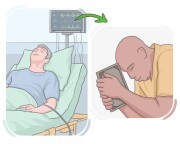
to cause worry or annoyance for someone
грызть, разъедать
Ожидание новостей об операции съедает меня тревогой.

an examination or assessment administered at the end of an academic term or course
финальный экзамен, заключительный экзамен
to become extremely upset, agitated, or overwhelmed by fear, anxiety, or excitement
паниковать, сходить с ума
Она сильно испугалась, когда увидела паука, ползущего по стене.

irritated or enraged to the point of frustration
взбешённый, выведенный из себя
Не заводись так только потому, что я задал вопрос.
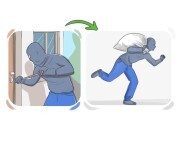
to escape punishment for one's wrong actions
уходить от наказания
Некоторые белые воротнички-преступники пытаются избежать наказания, присваивая деньги своих компаний.
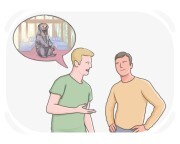
used to express astonishment, disbelief, or incredulity in response to something surprising or extraordinary
Убирайся отсюда!, Да ну!
Убирайся отсюда, ты говоришь, что встретил королеву Англии?
to no longer bother someone and leave them alone
оставить кого-то в покое, перестать доставать кого-то
Я сказал ему оставить меня в покое и дать мне работать.
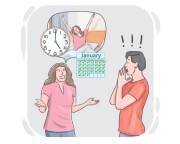
used to show one's disbelief or disagreement about what someone has just said
да ладно тебе, не смеши меня
Да ладно тебе, ты правда ждёшь, что я поверю в эту отговорку?
to say, especially used when one is orally narrating something
говорить, сказать
![to [have|get] the hots for {sb}](https://cdn.langeek.co/photo/40123/thumb/350?type=jpeg "to [have|get] the hots for {sb}")
to feel intense feelings of sexual attraction for someone
сильно хотеть кого-то, сходить с ума по кому-то
Он уже много лет сильно хочет её.

(of a person) calm and not easily stressed or bothered
спокойный
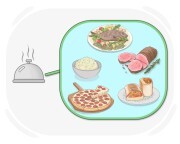
used to provide an example
как
Она изучает предметы такие как математика, естественные науки и история.
lacking awareness or understanding due to being uninformed
не в курсе, отключенный
Пропустив встречу, Джон был совершенно не в курсе и не имел представления о новом проекте.
![to [rub] {sb} the wrong way](https://cdn.langeek.co/photo/42584/thumb/350?type=jpeg "to [rub] {sb} the wrong way")
to cause someone to become extremely angry or upset without intending to
невольно раздражать кого-то, действовать кому-то на нервы
Не знаю почему, но его тон всегда действует мне на нервы.
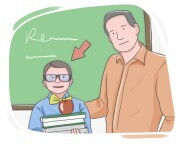
someone who is considered the teacher's favorite student and therefore has advantage over others in the classroom
любимчик учителя, учительский любимчик
Все думали, что она любимица учителя, потому что ей всегда помогали больше остальных.
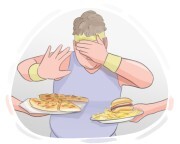
to endure, resist, or survive adverse conditions or challenges
выдерживать, противостоять