


pattern

A Street Talk 1 könyv - 1. lecke

Áttekintés

Villámkártyák

alakok

Betűzés

Kvíz

Indítsa el a tanulást
Street Talk 1
to blow
to blow
[ige]

to make a mess of or ruin something, often through reckless actions or poor decision-making

elront, tönkretesz

elront, tönkretesz

Ex: The student's decision to procrastinate until the last minute blew any chance of submitting a well-researched and polished assignment. 

A diák döntése, hogy halogat az utolsó percig, tönkretette minden esélyt egy jól kidolgozott és csiszolt feladat benyújtására.
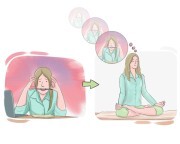
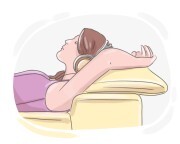
to chill out

to relax and take a break especially when feeling stressed or upset

pihen, lazít

pihen, lazít

Ex: Sometimes, a hot bath is the best way to chill out. 

Néha egy forró fürdő a legjobb módja annak, hogy pihenjen.

to [draw] a blank
to draw a blank
[kifejezés]

to be unable to remember something clearly

semmi sem jut eszébe, teljesen leblokkolni

semmi sem jut eszébe, teljesen leblokkolni

Ex: When the teacher asked me the answer, I completely drew a blank. 

Amikor a tanár megkérdezte a választ, teljesen leblokkoltam.

dweeb
dweeb
[Főnév]

an awkward or nerdy person focused on studies at the expense of social grace

stréber, kocka

stréber, kocka

Ex: He's a total dweeb about history, quoting facts at every opportunity. 

Ő egy teljes stréber a történelemben, tényeket idéz minden alkalommal.

to eat
to eat
[ige]

to cause worry or annoyance for someone

eszik, mar

eszik, mar

Ex: What's eating you today? You seem grumpier than usual. 

Mi esz téged ma? Rosszabb kedved van, mint általában.

final
final
[Főnév]

an examination or assessment administered at the end of an academic term or course

záróvizsga, döntő

záróvizsga, döntő

Ex: Students are required to pass the final to pass the course. 

A diákoknak meg kell ugraniuk a végzős vizsgát a kurzus teljesítéséhez.

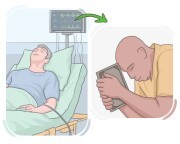
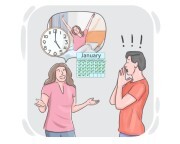
to freak out

to become extremely upset, agitated, or overwhelmed by fear, anxiety, or excitement

kiakad, megőrül

kiakad, megőrül

Ex: He tends to freak out before exams because of his fear of failure. 

Hajlamos pánikba esni a vizsgák előtt a kudarctól való félelme miatt.

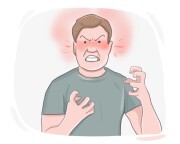
bent out of shape
bent out of shape
[kifejezés]

irritated or enraged to the point of frustration

teljesen felhúzva, iszonyúan ideges

teljesen felhúzva, iszonyúan ideges

Ex: He got bent out of shape when they changed the schedule without telling him. 

Teljesen felhúzta magát, amikor szó nélkül megváltoztatták a beosztást.

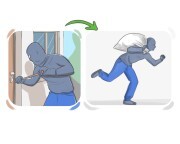
to get away with

to escape punishment for one's wrong actions

megússza, elkerüli a büntetést

megússza, elkerüli a büntetést

Ex: He was shocked that he could get away with speeding. 

Megdöbbent, hogy megússza a gyorshajtást.

get out of here
get out of here
[Felkiáltás]

used to express astonishment, disbelief, or incredulity in response to something surprising or extraordinary

Tűnj el innen!, Viccelsz!

Tűnj el innen!, Viccelsz!

Ex: Get out of here, you're telling me you met the Queen of England? 

Tűnj el, azt mondod, hogy találkoztál Anglia királynőjével?

to get out of {one's} face

to no longer bother someone and leave them alone

békén hagyni valakit, leszállni valakiről

békén hagyni valakit, leszállni valakiről

Ex: After a long day at work, Jake just wanted some time alone and politely asked his roommate to get out of his face for a while. 

Elege lett a kérdésekből, és megkért mindenkit, hogy hagyják békén.

give me a break

used to show one's disbelief or disagreement about what someone has just said

ugyan már, ezt te sem gondolod komolyan

ugyan már, ezt te sem gondolod komolyan

Ex: He says he finished the report in ten minutes.  Give me a break. 

Azt mondja, tíz perc alatt befejezte a jelentést. Ugyan már.

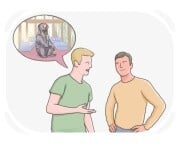
to go
to go
[ige]

to say, especially used when one is orally narrating something

mond, csinál

mond, csinál

Ex: Confused about the instructions, I go, "Could you explain that again?" 

Összezavarodva az utasításoktól, mondom: "El tudná magyarázni még egyszer?"

to [have|get] the hots for {sb}

to feel intense feelings of sexual attraction for someone

nagyon kívánni valakit, odalenni valakiért

nagyon kívánni valakit, odalenni valakiért

Ex: She totally has the hots for her trainer. 

Teljesen odavan a tréneréért.

laid-back
laid-back
[melléknév]

(of a person) calm and not easily stressed or bothered

laza, nyugodt

laza, nyugodt

Ex: He stayed laid-back while everyone else panicked. 
like
like
[elöljárószó]

used to provide an example

mint

mint

Ex: He likes fruits like apples, oranges, and bananas. 

Szereti a gyümölcsöket mint az almát, narancsot és banánt.

out of it
out of it
[melléknév]

lacking awareness or understanding due to being uninformed

nem tudja, képben van

nem tudja, képben van

Ex: Without any updates on the latest news, she felt out of it during the conversation with her friends. 

A legfrissebb hírekről szóló frissítések nélkül kívülállónak érezte magát a barátaival folytatott beszélgetés során.

to [rub] {sb} the wrong way

to cause someone to become extremely angry or upset without intending to

akaratlanul felbosszant valakit, valakinek az idegeire menni

akaratlanul felbosszant valakit, valakinek az idegeire menni

Ex: She didn't mean to insult anyone, but her joke rubbed a lot of people the wrong way. 

Nem akart senkit megsérteni, de a vicce sok embert felbosszantott.

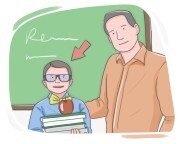
teacher's pet
teacher's pet
[Főnév]

someone who is considered the teacher's favorite student and therefore has advantage over others in the classroom

a tanár kedvence, tanári kedvenc

a tanár kedvence, tanári kedvenc

Ex: He acted like the teacher's pet and reminded the class about homework. 

Úgy viselkedett, mint a tanár kedvence, és emlékeztette az osztályt a házira.

to stand

to endure, resist, or survive adverse conditions or challenges

kiáll, ellenáll

kiáll, ellenáll

Ex: Her resilience helped her stand the pressures of a high-stakes job. 

Rugalmassága segített neki ellenállni egy nagy kockázatú munka nyomásának.

face
face
[Főnév]

a person's facial appearance, often used to refer to or identify an individual

arc

arc

Ex: The new teacher quickly became a friendly face in the school. 

Az új tanár gyorsan barátságos arc lett az iskolában.

what's up
what's up
[Felkiáltás]

used as a greeting or conversation starter in casual settings

Mi újság?, Hogy vagy?

Mi újság?, Hogy vagy?

Ex: Yo, what's up? Anything exciting happening lately? 

Hé, mi újság? Valami izgalmas történt mostanában?

LanGeek
LanGeek alkalmazás letöltése