


pattern

Verbes de Relations de Pouvoir - Verbes pour réagir au pouvoir

Ici, vous apprendrez quelques verbes anglais se référant à la réaction au pouvoir tels que "obéir", "défier" et "se rebeller".

Réviser

Flashcards

formes

Orthographe

Quiz

Commencer à apprendre
Categorized English Verbs Denoting Power Relations
to conform
to conform
[verbe]

to be or act in accordance with a rule, standard, etc.

se conformer, respecter

se conformer, respecter

Ex: Employees must conform to the company's policies and procedures. 

Les employés doivent se conformer aux politiques et procédures de l'entreprise.

to obey
to obey
[verbe]

to follow commands, rules, or orders

obéir

obéir

Ex: Soldiers are trained to obey orders from their commanding officers. 

Les soldats sont entraînés à obéir aux ordres de leurs officiers supérieurs.

to abdicate

(of a monarch or ruler) to step down from a position of power

abdiquer

abdiquer

Ex: Queen Elizabeth II has expressed no intention to abdicate during her reign. 

La reine Elizabeth II n'a exprimé aucune intention d'abdiquer pendant son règne.

to comply
to comply
[verbe]

to act in accordance with rules, regulations, or requests

obtempérer, s'exécuter

obtempérer, s'exécuter

Ex: Drivers must comply with traffic laws to ensure road safety. 

Les conducteurs doivent se conformer aux lois de la circulation pour assurer la sécurité routière.

to yield
to yield
[verbe]

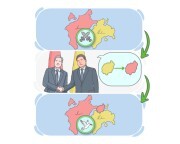
to give up or hand over control, often a territory or authority, to someone else

céder, abandonner

céder, abandonner

Ex: While tensions were escalating, one side was yielding territory to avoid further conflict. 

Alors que les tensions montaient, une partie cédait du territoire pour éviter un conflit supplémentaire.

to capitulate

to surrender after negotiation or when facing overwhelming pressure

capituler, abandonner

capituler, abandonner

Ex: Faced with no supplies, the rebels had to capitulate to government forces. 

Face à l'absence de ravitaillement, les rebelles ont dû capituler devant les forces gouvernementales.

to disobey
to disobey
[verbe]

to refuse to follow rules, commands, or orders

désobéir, enfreindre

désobéir, enfreindre

Ex: Soldiers are trained to never disobey direct orders from their commanding officers. 

Les soldats sont entraînés à ne jamais désobéir aux ordres directs de leurs officiers supérieurs.

to resist
to resist
[verbe]

to use force to prevent something from happening or to fight against an attack

résister à

résister à

Ex: He was charged with resisting arrest after struggling with the police officers who were trying to apprehend him. 

Il a été accusé de résister à l'arrestation après avoir lutté avec les policiers qui tentaient de l'appréhender.

to buck
to buck
[verbe]

to strongly resist or oppose something

résister, s'opposer

résister, s'opposer

Ex: The community chose to buck the proposed development project, voicing strong opposition. 

La communauté a choisi de s'opposer au projet de développement proposé, exprimant une forte opposition.

to withstand

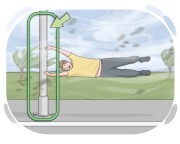
to resist or endure the force, pressure, or challenges imposed upon oneself

résister, supporter

résister, supporter

Ex: The athlete trained rigorously to withstand the physical demands of the competition. 

L'athlète s'est entraîné rigoureusement pour résister aux exigences physiques de la compétition.

to defy
to defy
[verbe]

to refuse to respect a person of authority or to observe a law, rule, etc.

désobéir à, braver,	défier

désobéir à, braver, défier

Ex: Citizens may choose to defy unjust laws as a form of protest against the government. 

Les citoyens peuvent choisir de défier les lois injustes comme forme de protestation contre le gouvernement.

to oppose
to oppose
[verbe]

to firmly resist something

s'opposer, résister

s'opposer, résister

Ex: He opposed the police’s orders to disperse, standing firm in the protest. 

Il s'est opposé aux ordres de la police de se disperser, restant ferme dans la protestation.

to rebel
to rebel
[verbe]

to oppose a ruler or government

se rebeller, se révolter

se rebeller, se révolter

Ex: Throughout history, people have rebelled to protest against unjust laws and policies. 

À travers l'histoire, les gens se sont révoltés pour protester contre des lois et des politiques injustes.

to revolt
to revolt
[verbe]

to lead a sudden and often forceful change against a government or system that is perceived as oppressive, seeking a radical transformation

se révolter, se soulever

se révolter, se soulever

Ex: Throughout history, communities have revolted to overthrow tyrannical rulers and establish new forms of governance. 

À travers l'histoire, les communautés se sont révoltées pour renverser les dirigeants tyranniques et établir de nouvelles formes de gouvernance.

to overthrow

to forcefully remove a person of authority or power from their position

renverser

renverser

Ex: Throughout history, revolutions have aimed to overthrow oppressive regimes. 

Tout au long de l'histoire, les révolutions ont visé à renverser les régimes oppressifs.

to depose
to depose
[verbe]

to remove someone from a position of power or authority, often through force or legal action

déposer, destituer

déposer, destituer

Ex: The board of directors decided to depose the CEO due to allegations of financial misconduct. 

Le conseil d'administration a décidé de déposer le PDG en raison d'allégations de mauvaise conduite financière.

to overturn

to cause the downfall or removal of rulers or leaders

renverser, faire tomber

renverser, faire tomber

Ex: Over time, internal dissent and external pressures can overturn oppressive regimes. 

Avec le temps, les dissensions internes et les pressions externes peuvent renverser les régimes oppressifs.

to rise up
to rise up
[verbe]

to join a rebellion or reject a previous allegiance, often as a group effort against authority or for a cause

se soulever, se rebeller

se soulever, se rebeller

Ex: The workers decided to rise up against the exploitative practices of the company. 

Les travailleurs ont décidé de se soulever contre les pratiques d'exploitation de l'entreprise.

to riot
to riot
[verbe]

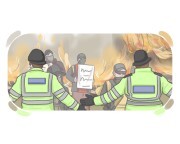
to engage in violent and disorderly behavior, typically by a group of people, often in protest or as a reaction to a perceived injustice

émeuter, se soulever

émeuter, se soulever

Ex: Protesters rioted in the streets, demanding justice for the victim. 

Les manifestants ont émeuté dans les rues, exigeant justice pour la victime.

to surrender

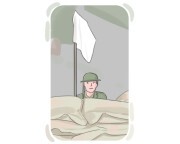
to give up resistance or stop fighting against an enemy or opponent

se rendre, capituler

se rendre, capituler

Ex: The general ordered his troops to surrender when it became clear that victory was impossible. 

Le général a ordonné à ses troupes de se rendre lorsqu'il est devenu évident que la victoire était impossible.

to cede
to cede
[verbe]

to hand over power, land, or a position to another, particularly due to being forced

céder

céder

Ex: They ceded the disputed region to avoid further military conflict. 

Ils ont cédé la région contestée pour éviter un conflit militaire supplémentaire.

to submit
to submit
[verbe]

to accept the control, authority, or superiority of someone or something

soumettre

soumettre

Ex: Employees are expected to submit to company policies and regulations. 

Les employés sont censés se soumettre aux politiques et réglementations de l'entreprise.

to hand over

to transfer the possession or control of someone or something to another person or entity

remettre, céder

remettre, céder

Ex: The company intends to hand its social media management over to a new agency. 

L'entreprise a l'intention de confier la gestion de ses réseaux sociaux à une nouvelle agence.

to abide by

to follow the rules, commands, or wishes of someone, showing compliance to their authority

respecter

respecter

Ex: As a citizen, it's important to abide by the laws and regulations of your country. 

En tant que citoyen, il est important de respecter les lois et règlements de votre pays.

LanGeek
Télécharger l'application LanGeek