
Vélemény és Érvelés - Vélemények Kifejezése
Itt megtanulhat néhány angol szót, amelyek a vélemények kifejezéséhez kapcsolódnak, például "álláspont", "hajlam" és "változás".
Áttekintés
Villámkártyák
alakok
Betűzés
Kvíz


to express one's point of view or opinion on something

mond, kifejez
the right or chance to give an opinion about something
szó, véleménynyilvánítás joga

to have no respect for someone or something because one thinks they are stupid or undeserving
megvet, lenéz
Megveti azokat az egyéneket, akik hamis információkat és félretájékoztatást terjesztenek.
a very strong feeling that someone or something is despicable or unworthy of respect
megvetés, lenézés
to regard someone or something in a specific way
lát, tekint
to constantly change from one opinion, state, or mood to another and then back again
ingadozik, változik
the conception someone has, particularly about their abilities, character, and qualities
önkép, önfogalom
A közösségi média néha negatívan befolyásolhatja egy személy önképét.
consideration or concern for oneself or one’s own interest
öngondoskodás, saját érdekek figyelembe vétele
a feeling or opinion influenced by emotion rather than reason
érzés, vélemény
a slight difference or variation in meaning, opinion, feeling, or quality
árnyalat
to change one's opinion, idea, attitude, or plan
változtat, eltol
to adopt a different opinion or point of view, particularly a contradictory one
álláspontot váltani, megváltoztatni a véleményét
Eleinte ellenezte a tervet, de amikor meglátta a költségvetést, álláspontot váltott.
to be too harsh on someone just to prove that their ideas are wrong or stupid
lelő, keményen kritizál
Az online közösség kemény lehet, az egyének gyorsan lelövik bárkit, aki szokatlan véleményeket fogalmaz meg.

used to indicate a degree of expectation regarding something that is likely to happen
kellene, kellene
Ő kellene megkapja a csomagot a hét végéig.
to compel someone to accept one's ideas and beliefs, especially in an annoying way
ráerőltetni valakire valamit, valakire rákényszeríteni valamit
Az alkalmazás folyton reklámokat erőltet a felhasználókra.
to do something to make one's feelings or opinions known
jelez, kifejez
to talk or act differently because of a change in opinion, behavior, or attitude, especially one that happens abruptly
más hangot megütni, meggondolni magát
A cég rögtön más hangot ütött meg, amint az ügyfelek elkezdték lemondani a rendeléseket.

to examine someone or something in order to form a judgment
felmér, szemügyre vesz és megítél
Edzőként fontos felmérni a csapat minden játékosának erősségeit és gyenge pontjait.
a biased or subjective angle in presenting information, often reflecting personal or ideological viewpoints
hajlam, tájolás
Az elfogultsága a kérdésben személyes tapasztalat által alakult.
a mean or hurtful word or comment that is used to insult or put down someone based on their race, gender, or other traits
sértés, megalázás
used ironically to express disapproval, sarcasm, or disbelief
néhány, bizonyos
Ez volt némi segítség, amit adtál nekünk!

to express strong and often negative opinions about something, typically in a rude manner
erőteljesen kifejti véleményét, gyakran durván kritizál valamit
Hajlamos hangosan megszólalni az üléseken, így nagyon egyértelművé téve az erős véleményét a kérdésben.
expressing one's opinions or point of view as someone who has had the same or similar experience

to confidently share one's thoughts or feelings without any hesitation
nyíltan kimondja a véleményét, habozás nélkül elmondja amit gondol vagy érez
Az aktivista szenvedélyesen szólt a környezeti kérdésekről.
to be able to understand someone because of having mutual tastes, opinions, attitudes, etc.
in a way that shows one's decisions are merely based on estimations or personal opinions rather than actual facts
spekulatívan
to clearly state one's opinions in order to distinguish between one's ideas and other's
kijelöl, egyértelműen kinyilvánít
A professzor arra ösztönözte a hallgatókat, hogy határolják el érveiket esszéikben, hogy bemutassák kritikus gondolkodási készségeiket.

a particular attitude or position adopted toward an issue or situation
álláspont

to have a certain opinion regarding an issue
áll, lenni
a mental viewpoint or attitude from which one considers things
álláspont, nézőpont
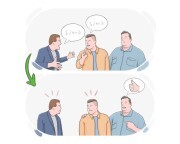
to remain loyal to or supportive of someone, particularly during a hard time
kitart valaki mellett, támogat
Nehéz döntések alatt megnyugtató, ha van valaki, aki támogatja a döntéseidet.
an opinion or decision that is formed based on one's belief or circumstances
álláspont, nézet

something that is expressed through things one says or writes
nyilatkozat, kijelentés
an unofficial test of opinion that includes a number of people who give their opinion about something or say whether or not they intend to participate in an election
nem hivatalos közvélemény-kutatás, szavazás kézfeltartással
Egy informális közvélemény-kutatást használtak annak becslésére, hogy hányan vesznek részt a közösségi eseményen.
(in the plural) people in general, often as a source of information, gossip, or rumors
amit az emberek beszélnek
in a firm, determined, or passionate way, used when expressing opinions, etc.
határozottan, szenvedélyesen
Ő szilárdan hisz az egyenlőségben és az igazságosságban.

In a way that shows firm resistance to change in opinion, behavior, or decision
makacsul
Makacsul ragaszkodtak az elavult hiedelmekhez.

based on or influenced by personal feelings or opinions rather than facts
szubjektív, személyes
A jelölt felvételének döntése szubjektív volt, mivel minden interjúztatónak megvoltak a saját kritériumai.
the state of being affected by personal opinions and feelings instead of facts and statistics
szubjektivitás
A szemtanúk vallomásában rejlő szubjektivitás eltérő beszámolókhoz vezethet ugyanarról az eseményről.
in a way that reflects a person's personal opinions, feelings, or experiences
szubjektíven
Szubjektíven reagált a megjegyzésre, személyesebbnek vette, mint szándékozták.

to mention an idea, proposition, plan, etc. for further consideration or possible action
javasol, ajánl

the act of putting an idea or plan forward for someone to think about
javaslat, ötlet
to shift or cause to shift from one opinion, mood, etc. to another
változtat, megváltoztat
a noticeable shift from one opinion, position, or state to another
változás, fordulat
a characteristic pattern of attitudes, behavior, or qualities associated with a particular type of person or situation
szindróma, hajlam
