
Názor a Argument - Vyjadřování Názorů
Zde se naučíte některá anglická slova související s vyjadřováním názorů, jako je "postoj", "sklon" a "změna".
Revize
Kartičky
tvary
Pravopis
Kvíz

to express one's point of view or opinion on something

říct, vyjádřit
Musím říct, že nesouhlasím s vaším hodnocením situace.
the right or chance to give an opinion about something
hlas, právo vyjádřit názor
Výbor dal každému slovo v rozhodovacím procesu, aby zajistil, že všechny pohledy byly zohledněny.

to have no respect for someone or something because one thinks they are stupid or undeserving
opovrhovat, pohrdat
Opovrhujeme těmi, kteří zneužívají zranitelné pro osobní zisk.
a very strong feeling that someone or something is despicable or unworthy of respect
pohrdání, opovržení
to regard someone or something in a specific way
vidět, považovat
to constantly change from one opinion, state, or mood to another and then back again
kolísat, měnit se
the conception someone has, particularly about their abilities, character, and qualities
sebeobraz, sebepojetí
Pracovala tvrdě na změně svého sebeobrazu tím, že se soustředila na své silné stránky.
consideration or concern for oneself or one’s own interest
péče o sebe, zohlednění vlastních zájmů
a feeling or opinion influenced by emotion rather than reason
pocit, názor
Tržní nálada může významně ovlivnit investiční rozhodnutí.
a slight difference in meaning, opinion, or feeling
odstín, nuance
Politické pozice často zahrnují malé nuance souhlasu nebo nesouhlasu.
to change one's opinion, idea, attitude, or plan
změnit, posunout
Vedoucí komunity úspěšně přesvědčili obyvatele, aby změnili své postoje k přijetí udržitelných životních praktik.
to adopt a different opinion or point of view, particularly a contradictory one
změnit názor, změnit stanovisko
Když se objevily nové důkazy, výbor potichu změnil stanovisko.
to be too harsh on someone just to prove that their ideas are wrong or stupid
sestřelit, tvrdě kritizovat
Během debaty se oponenti snažili sestřelit kandidátův postoj k hospodářské politice.

used to indicate a degree of expectation regarding something that is likely to happen
měl by, měl bys
Po zavedení nové marketingové strategie bychom měli vidět zlepšení v prodejích.
to compel someone to accept one's ideas and beliefs, especially in an annoying way
někomu něco vnucovat, tlačit někomu něco do hlavy
Tu dietu má rád, ale ostatním ji nevnucuje.
to do something to make one's feelings or opinions known
signalizovat, vyjadřovat
Signalizovala své podráždění netrpělivým poklepáváním nohou.
to talk or act differently because of a change in opinion, behavior, or attitude, especially one that happens abruptly
najednou mluvit jinak, změnit názor
Zpočátku se nové politice posmívali, ale když uspěla, najednou mluvili jinak.

to examine someone or something in order to form a judgment
posoudit, zhodnotit
Než přijala pracovní nabídku, vzala si čas na zhodnocení společnosti a posouzení její kultury.
a biased or subjective angle in presenting information, often reflecting personal or ideological viewpoints
sklon, orientace
Tato zpravodajská agentura je známá svým konzervativním sklonem.
a mean or hurtful word or comment that is used to insult or put down someone based on their race, gender, or other traits
urážka, ponížení
used ironically to express disapproval, sarcasm, or disbelief
nějaký, jistý
Nějakou podporu, kterou jsme od týmu dostali.

to express strong and often negative opinions about something, typically in a rude manner
vyjadřovat se prudce, mluvit s vášní
Profesor vyjádřil své nelibost v přednáškové síni a vyzval studenty, aby kriticky přemýšleli o tématu.
expressing one's opinions or point of view as someone who has had the same or similar experience

to confidently share one's thoughts or feelings without any hesitation
vyjádřit se, mluvit otevřeně
Vždy mluví proti diskriminaci.
to be able to understand someone because of having mutual tastes, opinions, attitudes, etc.
in a way that shows one's decisions are merely based on estimations or personal opinions rather than actual facts
spekulativně
to clearly state one's opinions in order to distinguish between one's ideas and other's
vymezit, jasně říci
Aktivistka využila příležitosti, aby jasně vyjádřila svá přesvědčení během panelové diskuze, a zajistila tak, že její jedinečný pohled byl slyšen.

a considered or deliberate mental or emotional attitude toward something
postoj, stanovisko
Veřejné mínění ovlivnilo jejich postoj.

to have a certain opinion regarding an issue
stát, být
Pevně stojí proti týrání zvířat.
a mental viewpoint or attitude from which one considers things
postoj, stanovisko
Jeho postoj k politice odráží konzervativní pohled.
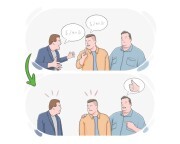
to remain loyal to or supportive of someone, particularly during a hard time
zůstat věrný, podporovat
I když se věci ztížily, věděla, že její přátelé ji vždy podrží.
an opinion or decision that is formed based on one's belief or circumstances
stanovisko, postoj

something that is expressed through things one says or writes
prohlášení, tvzení
Jeho prohlášení o události bylo velmi podrobné.
an unofficial test of opinion that includes a number of people who give their opinion about something or say whether or not they intend to participate in an election
neformální průzkum, hlasování zvednutím ruky
Pořadatelé provedli neformální průzkum, aby otestovali míru nadšení pro navrhované změny.
(in the plural) people in general, often as a source of information, gossip, or rumors
drby, pověsti ulice
in a firm, determined, or passionate way, used when expressing opinions, etc.
pevně, vášnivě
Doporučil bych vřele rezervovat lístky předem.
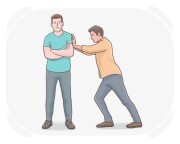
In a way that shows firm resistance to change in opinion, behavior, or decision
tvrdohlavě
Dítě tvrdohlavě odmítlo jíst svou zeleninu.
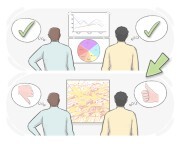
based on or influenced by personal feelings or opinions rather than facts
subjektivní, osobní
Jejich systém hodnocení byl příliš subjektivní, což ztěžovalo měření spravedlnosti.
the state of being affected by personal opinions and feelings instead of facts and statistics
subjektivita
Při hodnocení kreativní práce hraje subjektivita významnou roli, protože každý divák přináší své vlastní zkušenosti a pocity na stůl.
in a way that reflects a person's personal opinions, feelings, or experiences
subjektivně
Protože byl emocionálně zapojen, nemohl situaci posoudit subjektivně.

to mention an idea, proposition, plan, etc. for further consideration or possible action
navrhnout, doporučit
Výbor navrhl změny ke zlepšení efektivity procesu.

the act of putting an idea or plan forward for someone to think about
návrh, doporučení
Oceňuji váš návrh vyzkoušet meditaci jako techniku ke zmírnění stresu.
to shift or cause to shift from one opinion, mood, etc. to another
změnit, přimět změnit
Vášnivý projev aktivisty dokázal změnit veřejné mínění ve prospěch ochrany životního prostředí.
a noticeable shift from one opinion, position, or state to another
změna, obrat
Došlo k náhlé změně v tématu konverzace.
a set of characteristics, behaviors, or qualities commonly observed in a specific situation or group of individuals
syndrom, soubor charakteristik
"Stockholmský syndrom" je dobře známý psychologický jev, kdy rukojmí navážou vztah se svými únosci.
