
Vocabolario Avanzato per il TOEFL - Argomentazione
Qui imparerai alcune parole inglesi sull'argomentazione, come "avow", "posit", "credulous", ecc., necessarie per l'esame TOEFL.
Revisione
Flashcard
forme
Ortografia
Quiz

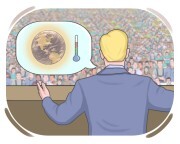
to publicly state that something is the case

dichiarare, affermare
Lo scienziato ha dichiarato la natura rivoluzionaria dei loro risultati di ricerca durante la conferenza.

to officially resolve a disagreement between people
arbitrare
I genitori hanno chiesto al loro figlio maggiore di arbitrare la discussione tra i loro fratelli minori.

to express if one is for or against an idea or arguement
dichiarare
Nell'intervista, l'attore è uscito fortemente contro le osservazioni controverse fatte da un collega.
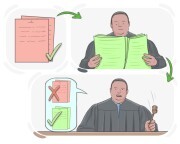
to prove something or someone wrong or false through evidence or argumentation
confutare
Confuterò qualsiasi dubbio sui risultati della mia ricerca.

to estimate something using past experiences or known data
estrapolare
L'economista ha estrapolato l'impatto della politica sull'economia della nazione.
to insert a comment, remark, or question abruptly into a conversation
interporre, interrompere
"Non è vero", interloquì, alzando la voce.

to express one's opinion
opinare
Come critico esperto, spesso usava le sue recensioni per esprimere la sua opinione sui meriti artistici di diversi film e libri.
to state one's opinion in such a manner that shows one believes to be the only person to fully know it and be unarguably correct
pontificare
Avevano pontificato sulla nuova politica senza considerare altri punti di vista.
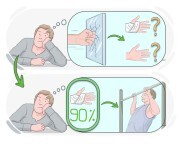
to propose or assume something as true or factual, serving as the foundation for further reasoning or argumentation
postulare
Nell'ipotesi scientifica, i ricercatori spesso ipotizzano certe condizioni per esplorare i loro potenziali effetti sull'esperimento.
to be undecided and not know what opinion, idea, or course of action to stick to
tentennare
Lui esita se trasferirsi in una nuova città o rimanere dove si trova.
too confident or proud in expressing oneself, in a way that is annoying to others
presuntuoso
Trovo le sue osservazioni presuntuose piuttosto fastidiose durante le conversazioni.
believing things easily even without much evidence that leads to being easy to deceive
credulo
Le promesse del politico sono state prese alla lettera dai suoi sostenitori creduli.
referring to the method of argumentation or discourse that involves the exchange of opposing ideas or viewpoints in order to reach a deeper understanding or resolution
dialettico
Il pensiero dialettico incoraggia gli individui a considerare molteplici prospettive e a sfidare le proprie ipotesi.
acting as a conversation medium between two groups of people so they can create an argument
intermediario
not expressing one's definite opinion or intention clearly, especially in an argument
senza impegno
involving rational arguments to support or oppose an opinion, usually the opposite of others'
polemica
Il dibattito divenne sempre più polemico mentre le parti opposte discutevano con passione.

expressing feelings or opinions, loudly and forcefully
clamoroso
Nonostante il suo solito comportamento riservato, divenne vociferante nel difendere le sue convinzioni.
a situation in which a theory or argument cannot be true because two or more parts of it are contradictory
aporia
the process or action of logical reasoning for persuading others
argomentazione
the practice of unsound reasoning and falsely arguing questions in a clever way
casistica

general agreement among the members of a group
consenso
the most important part of something on which its existence, success, or truth depends
pietra angolare
Le pratiche etiche costituiscono la pietra angolare della nostra filosofia aziendale.
the art or practice of giving a speech or reciting a poem with expression and gestures, especially as an exercise for public speaking or performance
declamazione
Durante il suo allenamento nel parlare in pubblico, ha partecipato a un workshop di declamazione per imparare tecniche per coinvolgere il pubblico attraverso inflessioni vocali e gesti drammatici.
the ability to deliver a clear and strong message
eloquenza
L'insegnante ha lodato lo studente per l'eloquenza del suo discorso di laurea.
a supporter of a theory, belief, idea, etc. who tries to persuade others that it is true or good in order to gain their support
esponente
Era stato un esponente del capitalismo del libero mercato, spesso dibattendo i suoi meriti con i critici.
a limitation on freedom of speech or a restriction on dissemination of information
bavaglio
unwillingness to agree about something or change one's views
intransigenza
La loro intransigenza ha frustrato tutti coloro che cercavano di mediare la disputa.
an individual who thinks and behaves differently and independently
anticonformista
In una stanza piena di seguaci, si distingueva come il ribelle.
a biased or subjective angle in presenting information, often reflecting personal or ideological viewpoints
inclinazione
L'agenzia di stampa è nota per la sua inclinazione conservatrice.
a form of deductive reasoning consisting of a major premise, a minor premise, and a conclusion that logically follows from them
sillogismo
Quel sillogismo difettoso presume che tutti gli uccelli possano volare, il che non è vero.
used humorously to show that someone has made a good point in an argument or discussion
touché, bravo
La tua critica ai punti deboli del mio argomento è stata tagliente, touché.
to involve someone in an argument, conflict, or complex situation
coinvolgere, immischiare
Si è coinvolto involontariamente in un acceso dibattito durante la riunione di famiglia esprimendo un'opinione controversa.
