
Từ Vựng Nâng Cao cho TOEFL - Lập luận
Ở đây bạn sẽ học một số từ tiếng Anh về tranh luận, như "avow", "posit", "credulous", v.v., cần thiết cho kỳ thi TOEFL.
Xem lại
Thẻ ghi nhớ
dạng từ
Chính tả
Đố vui

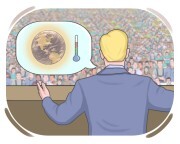
to publicly state that something is the case

tuyên bố, khẳng định
Tác giả công khai khẳng định sự cống hiến của mình trong việc thúc đẩy công bằng xã hội trong mỗi tác phẩm.
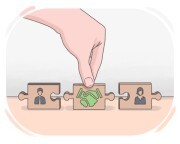
to officially resolve a disagreement between people
phân xử, trọng tài
Người quản lý nhân sự được yêu cầu phân xử cuộc tranh chấp giữa hai nhân viên.

to express if one is for or against an idea or arguement
lên tiếng, bày tỏ lập trường
Các thành viên ủy ban được yêu cầu lên tiếng và tuyên bố ủng hộ hoặc phản đối các thay đổi được đề xuất.
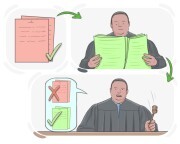
to prove something or someone wrong or false through evidence or argumentation
bác bỏ, phản bác
Luật sư đã bác bỏ lời khai của nhân chứng bằng những sự thật mâu thuẫn.

to estimate something using past experiences or known data
ngoại suy, ước lượng
Các nhà kinh tế sử dụng dữ liệu lịch sử để ngoại suy những tác động tiềm năng của thay đổi chính sách lên thị trường.
to insert a comment, remark, or question abruptly into a conversation
chen ngang, ngắt lời
Cô ấy chen ngang bằng một câu hỏi nhanh trước khi diễn giả chuyển tiếp.
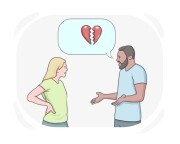
to express one's opinion
bày tỏ ý kiến, phát biểu quan điểm
Tại buổi họp mặt gia đình, họ hàng tụ tập quanh bàn để bày tỏ ý kiến về các chủ đề khác nhau, chia sẻ quan điểm của họ.
to state one's opinion in such a manner that shows one believes to be the only person to fully know it and be unarguably correct
giảng đạo, rao giảng
Cô ấy đang giảng đạo về xu hướng công nghệ, tin rằng kiến thức của mình là vượt trội.
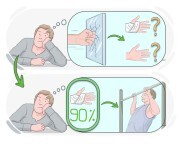
to propose or assume something as true or factual, serving as the foundation for further reasoning or argumentation
đặt giả thuyết, giả định
Nhà khoa học máy tính đã đề xuất một thuật toán mới để cải thiện hiệu quả tính toán trong các nhiệm vụ giải quyết vấn đề phức tạp.
to back up or form the basis of an argument by providing support
hỗ trợ, làm cơ sở
to be undecided and not know what opinion, idea, or course of action to stick to
do dự, lưỡng lự
Họ sẽ do dự giữa các lựa chọn khác nhau trước khi quyết định một kế hoạch.
(of an argument) directed against a person and not their point of view
ad hominem (của một lập luận) nhắm vào một người chứ không phải quan điểm của họ
too confident or proud in expressing oneself, in a way that is annoying to others
tự phụ, kiêu ngạo
Chàng trai tự phụ đã ngắt lời mọi người trong phòng bằng những ý kiến không được yêu cầu của mình.
believing things easily even without much evidence that leads to being easy to deceive
dễ tin, cả tin
Cha mẹ dạy con cái cảnh giác với người lạ để chúng không quá dễ tin và dễ bị lừa.
referring to the method of argumentation or discourse that involves the exchange of opposing ideas or viewpoints in order to reach a deeper understanding or resolution
biện chứng, thuộc về biện chứng
Trong các cuộc thảo luận biện chứng, các thành viên cố gắng hòa giải những mâu thuẫn và đạt đến một mức độ hiểu biết cao hơn.
acting as a conversation medium between two groups of people so they can create an argument
trung gian
not expressing one's definite opinion or intention clearly, especially in an argument
không rõ ràng, không cam kết
involving rational arguments to support or oppose an opinion, usually the opposite of others'
tranh luận
Cuốn sách đưa ra một quan điểm tranh luận chống lại các lý thuyết chính thống.
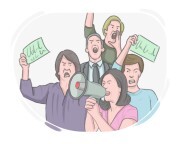
expressing feelings or opinions, loudly and forcefully
ồn ào, mãnh liệt
Những người biểu tình đã ồn ào trong yêu cầu công lý của họ, hô khẩu hiệu và giương biểu ngữ.
a situation in which a theory or argument cannot be true because two or more parts of it are contradictory
aporia, ngõ cụt lý thuyết
someone whose opinion changes in accordance with the situation
tắc kè hoa, người cơ hội
the practice of unsound reasoning and falsely arguing questions in a clever way
ngụy biện, biện luận gian trá

general agreement among the members of a group
đồng thuận
the most important part of something on which its existence, success, or truth depends
nền tảng, cột trụ
Cam kết của công ty đối với sự đổi mới là nền tảng của thành công.
the art or practice of giving a speech or reciting a poem with expression and gestures, especially as an exercise for public speaking or performance
sự diễn thuyết, nghệ thuật hùng biện
Trong quá trình luyện tập nói trước công chúng, cô ấy đã tham gia một hội thảo ngâm thơ để học các kỹ thuật thu hút khán giả thông qua ngữ điệu giọng nói và cử chỉ kịch tính.
the state in which one holds two opposing ideas at the same time
tư duy kép, suy nghĩ đôi
the ability to deliver a clear and strong message
tài hùng biện, khả năng diễn đạt rõ ràng và mạnh mẽ
Tài hùng biện của nhà văn đã làm cho các nhân vật và cảm xúc sống động một cách sống động.
a supporter of a theory, belief, idea, etc. who tries to persuade others that it is true or good in order to gain their support
người ủng hộ, người bảo vệ
Thượng nghị sĩ là một người ủng hộ nổi bật của các luật bảo vệ môi trường.
a limitation on freedom of speech or a restriction on dissemination of information
sự kiểm duyệt, sự bịt miệng
unwillingness to agree about something or change one's views
sự không khoan nhượng, sự cố chấp
Sự cứng rắn của công ty về giá đã dẫn đến sự sụp đổ của các cuộc đàm phán hợp đồng.
an individual who thinks and behaves differently and independently
người độc lập, người không theo lối mòn
Là một người độc lập, cô ấy thách thức hiện trạng ở mọi cơ hội.
a biased or subjective angle in presenting information, often reflecting personal or ideological viewpoints
thiên kiến, khuynh hướng
Bộ phim tài liệu đã đưa ra một góc nhìn mới mẻ về biến đổi khí hậu.
a form of deductive reasoning consisting of a major premise, a minor premise, and a conclusion that logically follows from them
suy luận tam đoạn luận, tam đoạn luận
Các triết gia thường sử dụng suy luận tam đoạn để kiểm tra tính hợp lệ trong lập luận của họ.
used humorously to show that someone has made a good point in an argument or discussion
chạm trúng
Tôi có thể đã đánh giá thấp khả năng phản bác lại nhận xét của tôi của bạn, touché.
to involve someone in an argument, conflict, or complex situation
lôi kéo, dính líu
Tuyên bố của chính trị gia đã vô tình lôi kéo toàn bộ đảng vào một cuộc khủng hoảng quan hệ công chúng.
