
Продвинутый Словарный Запас для TOEFL - Аргументация
Здесь вы узнаете некоторые английские слова, связанные с аргументацией, такие как "avow", "posit", "credulous" и т.д., которые необходимы для экзамена TOEFL.
Обзор
Флэш-карточки
формы
Правописание
Тест

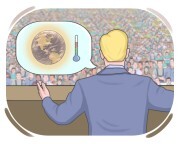
to publicly state that something is the case

открыто заявлять
Политик заявил о своей приверженности прозрачности и подотчетности в правительстве.
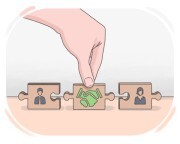
to officially resolve a disagreement between people
вынести решение
Две компании, не сумевшие достичь соглашения, решили, чтобы третья сторона разрешила их спор.

to express if one is for or against an idea or arguement
высказаться
Во время дебатов каждый кандидат имел возможность высказаться за или против предложенной политики.
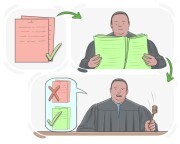
to prove something or someone wrong or false through evidence or argumentation
опровергнуть
Ученый опроверг ошибочную гипотезу с помощью тщательного эксперимента.

to estimate something using past experiences or known data
экстраполировать
Мы можем экстраполировать будущие тенденции в технологии на основе быстрого прогресса последних лет.
to insert a comment, remark, or question abruptly into a conversation
вставлять замечание
Она вставила шутку, которая рассмешила всех.

to express one's opinion
высказывать
Во время дебатов каждый участник получил возможность высказать свое мнение о предлагаемых изменениях в политике.
to state one's opinion in such a manner that shows one believes to be the only person to fully know it and be unarguably correct
разглагольствовать
Он склонен вещать о политике, как будто знает все ответы.
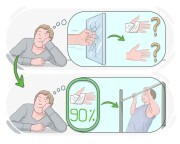
to propose or assume something as true or factual, serving as the foundation for further reasoning or argumentation
позиционировать
Учёный решил постулировать существование неоткрытой частицы, чтобы объяснить аномалии в экспериментальных данных.
to be undecided and not know what opinion, idea, or course of action to stick to
колебаться, качаться
В настоящее время она колеблется, в какой колледж поступить в следующем году.
(of an argument) directed against a person and not their point of view
личные нападки
too confident or proud in expressing oneself, in a way that is annoying to others
самоуверенный
Она стала самонадеянной после получения повышения, постоянно хвастаясь своими достижениями.
believing things easily even without much evidence that leads to being easy to deceive
доверчивый
Удивительно, как даже образованные люди могут быть такими доверчивыми, когда дело доходит до суеверий.
referring to the method of argumentation or discourse that involves the exchange of opposing ideas or viewpoints in order to reach a deeper understanding or resolution
диалектический
Диалектический подход к рассуждению предполагает взаимодействие с противоположными аргументами для выявления скрытых истин.
acting as a conversation medium between two groups of people so they can create an argument
посреднический
not expressing one's definite opinion or intention clearly, especially in an argument
уклончивый
involving rational arguments to support or oppose an opinion, usually the opposite of others'
полемический
Полемическая статья писателя вызвала жаркие споры среди читателей.

expressing feelings or opinions, loudly and forcefully
громогласный
Оппозиционная партия высказала громкие жалобы по поводу новой налоговой политики во время законодательной сессии.
a situation in which a theory or argument cannot be true because two or more parts of it are contradictory
апория
the process or action of logical reasoning for persuading others
аргументация
the practice of unsound reasoning and falsely arguing questions in a clever way
казуистика, софистика

an agreement reached by all members of a group
общее мнение, согласие
Команда достигла консенсуса по новому графику проекта после обширных обсуждений.
the most important part of something on which its existence, success, or truth depends
краеугольный камень, основа
Доверие — это краеугольный камень любых здоровых отношений.
the art or practice of giving a speech or reciting a poem with expression and gestures, especially as an exercise for public speaking or performance
декламация
Декламация актером знаменитой речи Мартина Лютера Кинга 'У меня есть мечта' растрогала аудиторию до слез своей искренней подачей.
the state in which one holds two opposing ideas at the same time
двоемыслие
the ability to deliver a clear and strong message
красноречие
Красноречие политика очаровало аудиторию и заслужило овации.
a supporter of a theory, belief, idea, etc. who tries to persuade others that it is true or good in order to gain their support
сторонник
Он является ведущим пропонентом возобновляемой энергии, отстаивая её преимущества при каждой возможности.
a limitation on freedom of speech or a restriction on dissemination of information
кляп
unwillingness to agree about something or change one's views
непримиримость
Непримиримость членов правления заблокировала предложенные реформы.
an individual who thinks and behaves differently and independently
вольнодумец
Он был известен как индивидуалист в технологической индустрии, всегда внедряющий новшества.
a biased or subjective angle in presenting information, often reflecting personal or ideological viewpoints
уклон
В статье был четкий политический уклон.
a form of deductive reasoning consisting of a major premise, a minor premise, and a conclusion that logically follows from them
силлогизм
Классический силлогизм гласит: Все люди смертны; Сократ — человек; следовательно, Сократ смертен.
used humorously to show that someone has made a good point in an argument or discussion
туше
Возможно, я недооценил твою способность парировать мои замечания, touché.
to involve someone in an argument, conflict, or complex situation
втягивать, втянуть
Менеджер мудро избегал вовлечения членов команды в офисные политические игры.
