
Zaawansowane Słownictwo do TOEFL - Argumentacja
Tutaj nauczysz się niektórych angielskich słów dotyczących argumentacji, takich jak "avow", "posit", "credulous" itp., które są potrzebne do egzaminu TOEFL.
Przegląd
Fiszki
formy
Pisownia
Test

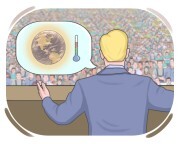
to publicly state that something is the case

oświadczać, zapewniać
Podczas wywiadu prezes zadeklarował zaangażowanie firmy w zrównoważone praktyki biznesowe.
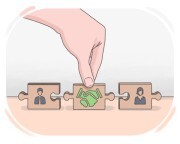
to officially resolve a disagreement between people
arbitrować, mediować
Sędziego poproszono o rozstrzygnięcie sporu między dwiema stronami zaangażowanymi w umowę biznesową.

to express if one is for or against an idea or arguement
wypowiedzieć się, zająć stanowisko
Podczas spotkania pracownicy byli zachęcani do wypowiadania się i wyrażania swoich opinii na temat nowych warunków pracy.
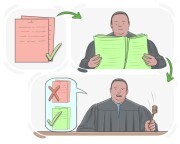
to prove something or someone wrong or false through evidence or argumentation
obalać, zaprzeczać
Zespół obala przeciwny punkt widzenia.
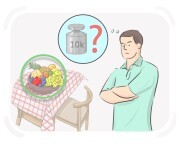
to estimate something using past experiences or known data
ekstrapolować, prognozować
Czy możemy ekstrapolować końcowy wynik z obecnego postępu?
to insert a comment, remark, or question abruptly into a conversation
wtrącić, przerwać
On wtrącił sarkastyczną uwagę, która rozładowała napięcie.
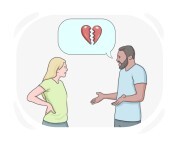
to express one's opinion
wyrażać swoją opinię, wypowiadać się
Ekspert został zaproszony, aby wypowiedzieć się na temat potencjalnych skutków nowej technologii podczas konferencji.
to state one's opinion in such a manner that shows one believes to be the only person to fully know it and be unarguably correct
pouczać, dogmatyzować
Pouczał o swojej ulubionej drużynie sportowej, przekonany, że wie wszystko.
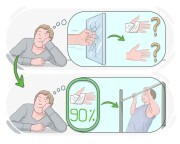
to propose or assume something as true or factual, serving as the foundation for further reasoning or argumentation
postulować, zakładać
Fizyk założył istnienie równoległych wszechświatów, aby wyjaśnić pewne zjawiska obserwowane w mechanice kwantowej.
to back up or form the basis of an argument by providing support
podpierać, stanowić podstawę
to be undecided and not know what opinion, idea, or course of action to stick to
wahać się, chwiać się
Ona wahala się, czy przyjąć awans, czy nie.
(of an argument) directed against a person and not their point of view
ad hominem (argumentu) skierowanego przeciwko osobie, a nie jej punktowi widzenia
too confident or proud in expressing oneself, in a way that is annoying to others
zarozumiały, arogancki
Miał arogancki uśmiech na twarzy, gdy chwalił się swoim najnowszym sukcesem.
believing things easily even without much evidence that leads to being easy to deceive
łatwowierny, naiwny
Był zbyt łatwowierny i od razu dał się oszukać.
referring to the method of argumentation or discourse that involves the exchange of opposing ideas or viewpoints in order to reach a deeper understanding or resolution
dialektyczny, odnoszący się do dialektyki
Dialogi sokratejskie ilustrują dialektyczny proces zadawania pytań i badania w celu uzyskania głębszych spostrzeżeń.
acting as a conversation medium between two groups of people so they can create an argument
pośredniczący
not expressing one's definite opinion or intention clearly, especially in an argument
niejasny, niezobowiązujący
involving rational arguments to support or oppose an opinion, usually the opposite of others'
polemiczny
Polemiczna analiza profesora skrytykowała najnowsze trendy społeczne.
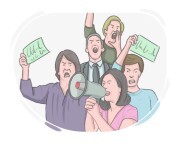
expressing feelings or opinions, loudly and forcefully
hałaśliwy, gwałtowny
Polityk był znany ze swoich głośnych przemówień, gromadzących zwolenników dzięki swojej pełnej pasji retoryce.
a situation in which a theory or argument cannot be true because two or more parts of it are contradictory
aporia, teoretyczny impas
the process or action of logical reasoning for persuading others
argumentacja
someone whose opinion changes in accordance with the situation
kameleon, oportunista
the practice of unsound reasoning and falsely arguing questions in a clever way
kazuistyka, sofistyka

general agreement among the members of a group
konsensus
the most important part of something on which its existence, success, or truth depends
kamień węgielny, podstawa
Szczera komunikacja jest kamieniem węgielnym skutecznej pracy zespołowej.
the art or practice of giving a speech or reciting a poem with expression and gestures, especially as an exercise for public speaking or performance
deklamacja, sztuka oratorska
Deklamacja monologu Szekspira przez aktora była fascynującym występem, gdyż umiejętnie przekazał emocje postaci poprzez ekspresyjne wykonanie.
the state in which one holds two opposing ideas at the same time
dwójmyślenie, podwójne myślenie
the ability to deliver a clear and strong message
wymowa, zdolność do przekazywania jasnego i silnego przesłania
Jego wymowa podczas debaty pomogła przekonać wielu ludzi do poparcia jego poglądów.
a supporter of a theory, belief, idea, etc. who tries to persuade others that it is true or good in order to gain their support
zwolennik, obrońca
Jako zwolennik uważności, prowadzi warsztaty, aby pomóc innym radzić sobie ze stresem.
a limitation on freedom of speech or a restriction on dissemination of information
knebel, cenzura
unwillingness to agree about something or change one's views
nieustępliwość, bezkompromisowość
Jego nieustępliwość podczas negocjacji uniemożliwiła zawarcie umowy.
an individual who thinks and behaves differently and independently
indywidualista, niezależny
Podziwiała indywidualistę, który od zera zbudował prosperujący biznes.
a biased or subjective angle in presenting information, often reflecting personal or ideological viewpoints
nachylenie, orientacja
Napisała utwór z feministycznym nachyleniem.
a form of deductive reasoning consisting of a major premise, a minor premise, and a conclusion that logically follows from them
sylogizm, rozumowanie sylogistyczne
Trener debat uczył uczniów, jak zbudować silny sylogizm.
used humorously to show that someone has made a good point in an argument or discussion
touché
Twoja krytyka słabych punktów mojego argumentu była ostra, touché.
to involve someone in an argument, conflict, or complex situation
uwikłać, wplątać
Reportaż śledczy dziennikarza nieumyślnie uwikłał kilka znanych osób w kontrowersję.
