
Vocabolario per IELTS Academic (Punteggio 6-7) - Psicologia
Qui, imparerai alcune parole inglesi relative alla Psicologia che sono necessarie per l'esame accademico IELTS.
Revisione
Flashcard
Ortografia
Quiz

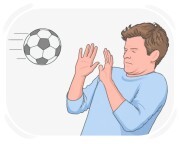
a natural tendency or ability to behave or react in a particular way without conscious thought or learning

istinto

a characteristic pattern of attitudes, behavior, or qualities associated with a particular type of person or situation
sindrome
a strong and irresistible urge to do something
compulsione, impulso
La compulsione di controllare il telefono ogni pochi minuti ha interrotto la sua concentrazione sul compito a portata di mano.
(psychology) a mental condition in which a person has a false belief system that is contradicted by evidence
fissazione
a perceptual experience in which an individual perceives something that is not present in the external environment
allucinazione, illusione
Le allucinazioni possono essere un sintomo di alcune condizioni mediche, inclusi disturbi neurologici o lesioni cerebrali.
an unreasonable and persistent fear that others want to harm you
paranoia
Vivere in segreto ha approfondito la sua paranoia nel tempo.
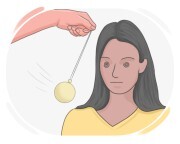
a state of heightened focus and concentration in which a person becomes more responsive to suggestions
ipnosi, stato ipnotico
L'ipnosi è stata utilizzata per aiutare i fumatori a smettere guidandoli attraverso esercizi di visualizzazione per indebolire le loro voglie di nicotina.
a group of partly or completely repressed emotions or impulses that affect a person's behavior and patterns of thought
complesso
(psychology) the unconscious process in which an individual associates their feelings, ideas or attitudes to someone else as a defense mechanism
proiezione
an illness or condition that disrupts normal physical or mental functioning
disordine
(psychology) the conscious part of the mind that mediates between the unconscious and the reality which gives one a sense of self
ego
(psychology) the part of the unconscious mind that is the source of basic instincts and drives
id
(psychology) the part of the mind that is only partly conscious, representing social norms learned from the parents
superego
an emotional disorder in which there is a strange fear of being fat and an obsessive desire to lose weight which results in refusing to eat
anoressia nervosa
mental condition that causes extreme and unusual changes in one's energy level, mood, or emotions
mania
(psychology) mental processes through which knowledge and understanding are acquired
cognizione
a severe medical condition that leads to partial or complete loss of memory
amnesia
L'amnesia del paziente dopo l'intervento ha spinto la squadra a rivedere la documentazione anestesiologica per possibili cause.
awareness, knowledge, or concern about a particular subject or issue
conoscenza
the part of the mind that is not currently in focused awareness, but still influences thoughts, feelings, and behavior, often through automatic or involuntary processes
subconscio, inconscio
Il terapista lo ha aiutato a esplorare gli strati nascosti del suo subconscio.
the part of the mind containing thoughts, feelings, and memories of which a person is not consciously aware
inconscio, subconscio
a medical condition of the mind caused by extreme shock, which could last for a very long time
trauma
Assistere a un disastro naturale può lasciare i sopravvissuti con un trauma duraturo e paura.
a strong and uncontrollable interest or attachment to something or someone, causing constant thoughts, intense emotions, and repetitive behaviors
ossessione
L'ossessione per la cultura delle celebrità spesso porta le persone a ignorare la propria crescita personale.
the conscious knowledge and recognition of one's own thoughts, feelings, sensations, and actions, leading to a reflective understanding of oneself as a distinct individual with unique characteristics and experiences
autoconsapevolezza, consapevolezza di sé
La consapevolezza di sé gioca un ruolo cruciale nell'intelligenza emotiva, permettendo agli individui di navigare nelle interazioni sociali con empatia e comprensione.
