
Słownictwo do IELTS Academic (Wynik 6-7) - Psychologia
Tutaj nauczysz się niektórych angielskich słów związanych z psychologią, które są niezbędne do akademickiego egzaminu IELTS.
Przegląd
Fiszki
Pisownia
Test

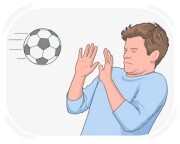
a natural tendency or ability to behave or react in a particular way without conscious thought or learning

instynkt, popęd

a characteristic pattern of attitudes, behavior, or qualities associated with a particular type of person or situation
syndrom, skłonność
a strong and irresistible urge to do something
przymus, popęd
Chociaż wiedział, że to zły pomysł, poczuł przymus, aby zadzwonić do swojej byłej późno w nocy.
(psychology) a mental condition in which a person has a false belief system that is contradicted by evidence
urojenie, iluzja
a perceptual experience in which an individual perceives something that is not present in the external environment
halucynacja, iluzja
Halucynacje związane ze snem mogą wystąpić podczas przejścia między czuwaniem a snem, prowadząc do żywych i często przerażających doświadczeń.
an unreasonable and persistent fear that others want to harm you
paranoja, chorobliwa podejrzliwość
Stała presja doprowadziła do paranoi o utracie pracy.
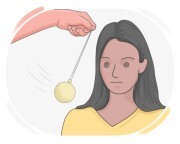
a state of heightened focus and concentration in which a person becomes more responsive to suggestions
hipnoza, stan hipnotyczny
Podczas hipnozy terapeuta zasugerował, że pacjent nie będzie już odczuwał bólu w uszkodzonym kolanie.
a group of partly or completely repressed emotions or impulses that affect a person's behavior and patterns of thought
kompleks, zbiór stłumionych emocji
(psychology) the unconscious process in which an individual associates their feelings, ideas or attitudes to someone else as a defense mechanism
projekcja, mechanizm projekcji
an illness or condition that disrupts normal physical or mental functioning
zaburzenie, schorzenie
(psychology) the conscious part of the mind that mediates between the unconscious and the reality which gives one a sense of self
ego, jaźń
(psychology) the part of the unconscious mind that is the source of basic instincts and drives
id, to
(psychology) the part of the mind that is only partly conscious, representing social norms learned from the parents
superego
an emotional disorder in which there is a strange fear of being fat and an obsessive desire to lose weight which results in refusing to eat
anoreksja, jadłowstręt psychiczny
mental condition that causes extreme and unusual changes in one's energy level, mood, or emotions
mania
(psychology) mental processes through which knowledge and understanding are acquired
poznanie
a severe medical condition that leads to partial or complete loss of memory
amnezja
Ciężkie używanie alkoholu doprowadziło do epizodu amnezji z omdleniem, podczas którego nie pamiętał niczego z wieczoru.
awareness, knowledge, or concern about a particular subject or issue
świadomość, przytomność
the part of the mind that is not currently in focused awareness, but still influences thoughts, feelings, and behavior, often through automatic or involuntary processes
podświadomość, nieświadomość
Nie zdając sobie z tego sprawy, jej podświadomość kierowała jej decyzjami.
the part of the mind containing thoughts, feelings, and memories of which a person is not consciously aware
nieświadomość, podświadomość
a medical condition of the mind caused by extreme shock, which could last for a very long time
trauma, szok emocjonalny
Terapeuta dostarczył technik zarządzania lękiem i koszmarami związanymi z traumą.
a strong and uncontrollable interest or attachment to something or someone, causing constant thoughts, intense emotions, and repetitive behaviors
obsesja, natręctwo
Rozwinęła obsesję na punkcie konkretnego programu telewizyjnego, oglądając wszystkie odcinki w jeden weekend.
the conscious knowledge and recognition of one's own thoughts, feelings, sensations, and actions, leading to a reflective understanding of oneself as a distinct individual with unique characteristics and experiences
samoświadomość, świadomość siebie
W relacjach samoświadomość pomaga jednostkom komunikować się bardziej efektywnie, wyrażając swoje potrzeby i emocje.
