
Slovní zásoba pro IELTS Academic (Skóre 6-7) - Psychologie
Zde se naučíte některá anglická slova související s psychologií, která jsou nezbytná pro akademickou zkoušku IELTS.
Revize
Kartičky
Pravopis
Kvíz
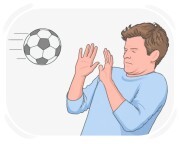
a natural tendency or ability to behave or react in a particular way without conscious thought or learning

instinkt, pud

a characteristic pattern of attitudes, behavior, or qualities associated with a particular type of person or situation
syndrom, sklon
a strong and irresistible urge to do something
nutkání, pohnutka
I když věděl, že je to špatný nápad, cítil nutkání zavolat své bývalé pozdě v noci.
(psychology) a mental condition in which a person has a false belief system that is contradicted by evidence
blud, iluze
a perceptual experience in which an individual perceives something that is not present in the external environment
halucinace, iluze
Halucinace mohou být příznakem některých zdravotních stavů, včetně neurologických poruch nebo poranění mozku.
an unreasonable and persistent fear that others want to harm you
paranoia, chorobná nedůvěra
Život v tajnosti prohloubil jeho paranoiu v průběhu času.
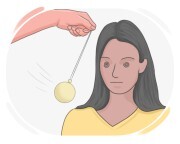
a state of heightened focus and concentration in which a person becomes more responsive to suggestions
hypnóza, hypnotický stav
Během hypnózy terapeut navrhl, že pacient již nebude pociťovat bolest ve svém zraněném koleni.
a group of partly or completely repressed emotions or impulses that affect a person's behavior and patterns of thought
komplex, skupina potlačených emocí
(psychology) the unconscious process in which an individual associates their feelings, ideas or attitudes to someone else as a defense mechanism
projekce, mechanismus projekce
an illness or condition that disrupts normal physical or mental functioning
porucha, onemocnění
(psychology) the conscious part of the mind that mediates between the unconscious and the reality which gives one a sense of self
ego, já
(psychology) the part of the unconscious mind that is the source of basic instincts and drives
ono, to
(psychology) the part of the mind that is only partly conscious, representing social norms learned from the parents
superego
an emotional disorder in which there is a strange fear of being fat and an obsessive desire to lose weight which results in refusing to eat
anorexie, mentální anorexie
mental condition that causes extreme and unusual changes in one's energy level, mood, or emotions
mánie
(psychology) mental processes through which knowledge and understanding are acquired
kognice
a severe medical condition that leads to partial or complete loss of memory
amnézie
Amnézie pacienta po operaci přiměla tým přezkoumat anesteziologickou dokumentaci kvůli možným příčinám.
awareness, knowledge, or concern about a particular subject or issue
vědomí, uvědomění
the part of the mind that is not currently in focused awareness, but still influences thoughts, feelings, and behavior, often through automatic or involuntary processes
podvědomí, nevědomí
Terapeut mu pomohl prozkoumat skryté vrstvy jeho podvědomí.
the part of the mind containing thoughts, feelings, and memories of which a person is not consciously aware
nevědomí, podvědomí
a medical condition of the mind caused by extreme shock, which could last for a very long time
trauma, emocionální šok
Svědectví přírodní katastrofy může u přeživších zanechat trvalé trauma a strach.
a strong and uncontrollable interest or attachment to something or someone, causing constant thoughts, intense emotions, and repetitive behaviors
posedlost, vtíravá myšlenka
Posedlost celebritní kulturou často vede lidi k ignorování jejich vlastního osobního růstu.
the conscious knowledge and recognition of one's own thoughts, feelings, sensations, and actions, leading to a reflective understanding of oneself as a distinct individual with unique characteristics and experiences
sebeuvědomění, uvědomění si sebe sama
Sebevědomí hraje klíčovou roli v emoční inteligenci, což jednotlivcům umožňuje navigovat sociální interakce s empatií a porozuměním.
