

pattern

感情 - 失望

レビュー

フラッシュカード

語形

綴り

クイズ

学習を開始
Words Related to Feelings
body blow
body blow
[名詞]

an event or action that causes serious harm, disappointment, or problems

痛手, 強烈な打撃
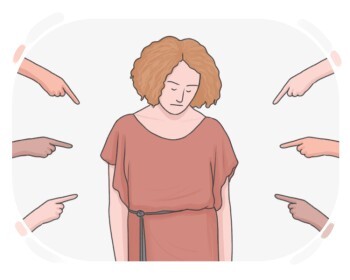
痛手, 強烈な打撃

Ex: Closing the factory was a body blow to the local community .

工場の閉鎖は地元コミュニティにとって大きな打撃だった。

chagrin
chagrin
[名詞]

a state of embarrassment due to failing, getting humiliated, or disappointed

悔しさ,  屈辱
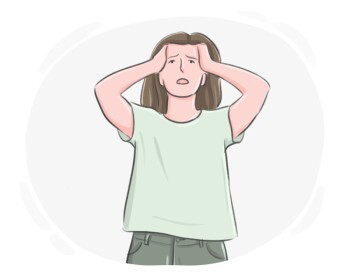
悔しさ, 屈辱

Ex: Her chagrin was evident when she discovered she had accidentally sent the email to the wrong recipient .

彼女が誤ってメールを間違った受信者に送ってしまったと気づいたとき、彼女の悔しさは明らかだった。

crestfallen
crestfallen
[形容詞]

feeling disappointed and sad, especially due to experiencing an unexpected failure

がっかりした, 落胆した

がっかりした, 落胆した

Ex: She became crestfallen upon discovering that her artwork had been vandalized .

彼女は自分の芸術作品が破壊されたことを知ってがっかりした

to crumple
to crumple
[動詞]

to wrinkle the face due to intense emotions or age-related changes

しわが寄る, 顔をしかめる
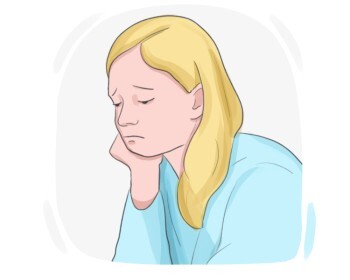
しわが寄る, 顔をしかめる

Ex: Years of laughter and sun exposure had caused her once-smooth skin to crumple with fine lines .

何年もの笑いと日光への曝露により、かつては滑らかだった彼女の肌は細かい線でしわくちゃになりました。

dejected
dejected
[形容詞]

feeling downcast, discouraged, or in low spirits

落胆した, がっかりした

落胆した, がっかりした

Ex: The team looked dejected after losing the championship game in the final minutes.

チームは、最終分にチャンピオンシップゲームを失った後、落胆したように見えました。

dejection
dejection
[名詞]

a state of low spirits, sadness, or melancholy

落胆, 憂鬱
落胆, 憂鬱

Ex: Failing the exam for the second time heightened his dejection and self-doubt .

二度目の試験の失敗は彼の落胆と自己不信を高めた。

to disappoint

to fail to meet someone's expectations or hopes, causing them to feel let down or unhappy

失望させる, がっかりさせる
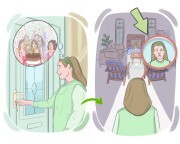
失望させる, がっかりさせる

Ex: Not receiving the promotion she was hoping for disappointed Jane.

期待していた昇進を得られなかったことがジェーンをがっかりさせた。

disappointed
disappointed
[形容詞]

not satisfied or happy with something, because it did not meet one's expectations or hopes

失望した

失望した

Ex: The coach seemed disappointed with the team 's performance .

コーチはチームのパフォーマンスに失望しているようだった。

disappointing
disappointing
[形容詞]

not fulfilling one's expectations or hopes

がっかりさせる, 失望させる

がっかりさせる, 失望させる

Ex: Her reaction to the gift was surprisingly disappointing.

贈り物に対する彼女の反応は驚くほどがっかりするものだった。

disappointment

dissatisfaction that is resulted from the unfulfillment of one's expectations

失望

失望

Ex: Despite the disappointment of not winning the competition , she was proud of how much she had learned .

競争に勝てなかった失望にもかかわらず、彼女は自分がどれだけ学んだかを誇りに思っていました。

disapproval
disapproval
[名詞]

a feeling or expression of not agreeing with or liking something

不賛成, 非難

不賛成, 非難

Ex: She looked at him with disapproval when he arrived late .

彼が遅刻したとき、彼女は不賛成の目で彼を見た。

disillusioned
disillusioned
[形容詞]

feeling disappointed because someone or something is not as worthy or good as one believed

幻滅した, 失望した

幻滅した, 失望した

Ex: He became disillusioned with his idol after learning about the celebrity 's unethical behavior behind the scenes .

彼は、有名人の舞台裏での非倫理的な行動を知った後、自分のアイドルに幻滅した

dismay
dismay
[名詞]

the sadness and worry provoked by an unpleasant surprise

落胆, 失望

落胆, 失望

Ex: The company 's sudden closure caused widespread dismay among the employees .

会社の突然の閉鎖は、従業員の間に広範な落胆を引き起こしました。

to embitter
to embitter
[動詞]

to make someone feel angry, upset, or resentful over time

苦々しくさせる, 憤慨させる

苦々しくさせる, 憤慨させる

Ex: The harsh criticism embittered the student .

厳しい批判は学生を憤慨させた

embittered
embittered
[形容詞]

angry or disappointed for a long time, often showing this feeling

憤慨した, 失望した

憤慨した, 失望した

Ex: An embittered old man sat alone , remembering past injustices .

憤慨した老人が一人で座り、過去の不正を思い出していた。

to fail
to fail
[動詞]

to disappoint or abandon someone by not meeting their expectations or providing support

失望させる, 見捨てる

失望させる, 見捨てる

Ex: Knowing she had failed her mentor weighed heavily on her conscience .

彼女がメンターを失望させたことを知っていることが、彼女の良心に重くのしかかっていた。

gutted
gutted
[形容詞]

experiencing great sadness, shock, or disappointment

打ちのめされた, がっかりした
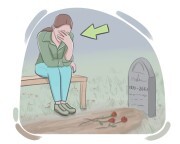
打ちのめされた, がっかりした

Ex: She felt gutted after hearing that her favorite band canceled the concert.

彼女はお気に入りのバンドがコンサートをキャンセルしたと聞いて、打ちのめされたと感じた。

to lament
to lament
[動詞]

to verbally express deep sadness over a loss or unfortunate situation

嘆く, 悲しむ
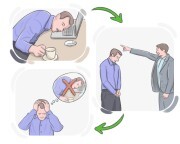
嘆く, 悲しむ

Ex: The mourners gathered to lament the tragic death of their community leader .

哀悼者たちは、彼らのコミュニティリーダーの悲劇的な死を嘆くために集まった。

to regret
to regret
[動詞]

to feel sad, sorry, or disappointed about something that has happened or something that you have done, often wishing it had been different

後悔する, 悔やむ
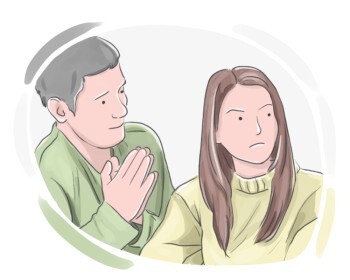
後悔する, 悔やむ

Ex: They regretted not taking the job offer and wondered what could have been .

彼らはその仕事のオファーを受けなかったことを後悔し、どうなっていただろうかと思った。

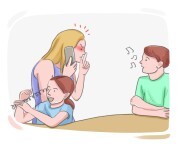
regretful
regretful
[形容詞]

feeling sorrow or disappointment about a past action, decision, or outcome

後悔している, 残念な
後悔している, 残念な

Ex: Looking back , he was regretful for not spending more time with his family when they were younger .

振り返ってみると、彼は家族が若い頃にもっと時間を過ごさなかったことを後悔していた。

to reproach
to reproach
[動詞]

to blame someone for a mistake they made

非難する, 責める

非難する, 責める

Ex: The mother reproached her child for the rude behavior towards a classmate .

母親はクラスメートに対する無礼な行為で子供を叱った

to sigh
to sigh
[動詞]

to express or convey emotions, such as relief, sadness, or contentment, by releasing a deep audible breath

ため息をつく, 深い息を吐く

ため息をつく, 深い息を吐く

Ex: He sighed his frustration as he struggled to understand the complex instructions .

彼は複雑な指示を理解しようともがきながら、フラストレーションをため息をついた

sorry
sorry
[形容詞]

feeling ashamed or apologetic about something that one has or has not done

申し訳ない, 後悔している

申し訳ない, 後悔している

Ex: The teacher seemed sorry when she realized the assignment was unclear .

先生は課題が明確でないと気づいたとき、申し訳なさそうに見えた。

wry
wry
[形容詞]

twisted or distorted, often indicating dry or mocking humor

皮肉な, 歪んだ

皮肉な, 歪んだ

Ex: His wry expression showed he wasn’t taking the situation too seriously.

彼のひねくれた表情は、彼が状況をあまり深刻に受け止めていないことを示していた。

LanGeek
LanGeekアプリをダウンロード