pattern

IELTS のための語彙 (一般) - お金

ここでは、IELTS試験に必要な「資産」、「割引」、「年金」など、お金に関するいくつかの英単語を学びます。

レビュー

フラッシュカード

綴り

クイズ

学習を開始
Words for General IELTS
annual
annual
[形容詞]

happening, done, or made once every year

毎年の, 年一回の

毎年の, 年一回の

Ex: He attended the annual charity gala to support a good cause. 
asset
asset
[名詞]

a valuable resource or quality owned by an individual, organization, or entity, typically with economic value and the potential to provide future benefits

資産, 貴重な資源

資産, 貴重な資源

Ex: Intellectual property, including patents and trademarks, represents valuable intangible assets for businesses. 
auction
auction
[名詞]

a sale in which goods or property are sold to the person who offers the highest price
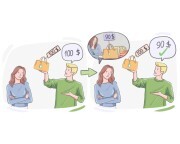
Ex: The painting was sold at auction for $20,000. 
to bargain
to bargain
[動詞]

to discuss the terms or price of an agreement in order to obtain more favorable conditions

値切る,  交渉する

値切る, 交渉する

Ex: Emma bargained with the seller over the price of the rug. 
benefit
benefit
[名詞]

a financial aid provided by the government for people who are sick, unemployed, etc.

給付, 手当

給付, 手当

Ex: She applied for housing benefits after losing her job and struggling to pay rent. 
betting
betting
[名詞]

the act of risking money on the result of an unpredictable event

賭け, 賭博

賭け, 賭博

budget
budget
[名詞]

a specific amount of money set aside for a particular use

予算, 予算配分

予算, 予算配分

Ex: She saved part of her budget for emergencies. 
to decrease
to decrease
[動詞]

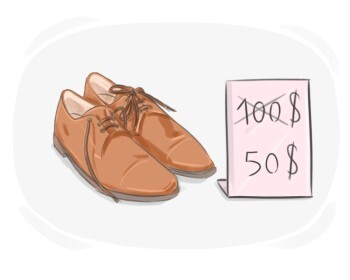
to become smaller or less in amount, number, size, or intensity

減少する,  減る
減少する, 減る

Ex: The number of visitors decreased during the winter months. 
discount
discount
[名詞]

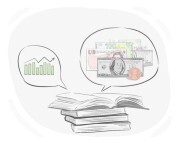
the amount of money that is reduced from the usual price of something

割引,  値引き
割引, 値引き

Ex: They offered a discount of 20% on all winter clothing. 
economics
economics
[名詞]

the social science that studies how goods, services, money, and resources are produced, distributed, and used
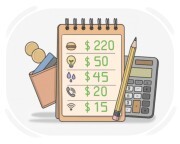
Ex: Emma studied economics at university. 
expense
expense
[名詞]

the amount of money spent to do or have something

費用,  出費

費用, 出費

Ex: When planning a trip, it's essential to consider all potential expenses, including accommodations, transportation, and meals. 
fair trade
fair trade
[名詞]

trading practices that do not put consumers at a disadvantage

フェアトレード

フェアトレード

fare
fare
[名詞]

the amount of money charged for traveling by bus, train, taxi, plane, or another form of transport

運賃

運賃

Ex: How much is the bus fare to the city center? 
fund
fund
[名詞]

a sum of money that is collected and saved for a particular purpose

基金, 資金
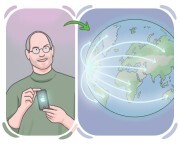
基金, 資金

Ex: The company launched a fund for employee welfare. 
globalization

the fact that the cultures and economic systems around the world are becoming connected and similar as a result of improvement in communications and development of multinational corporations

グローバリゼーション,  国際化

グローバリゼーション, 国際化

Ex: Globalization has led to an increase in international trade and economic cooperation. 

グローバリゼーションは、国際貿易と経済協力の増加をもたらしました。

inflation
inflation
[名詞]

the ongoing increase in the general price level of goods and services in an economy over a period of time

インフレ, 物価上昇
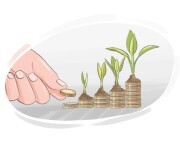
インフレ, 物価上昇

Ex: The country experienced severe inflation after the economic crisis. 
investment
investment
[名詞]

the act or process of putting money into something to gain profit

投資
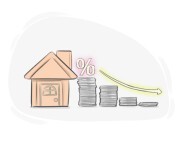
投資

Ex: He considered his education an important investment in his future career. 
mortgage
mortgage
[名詞]

an official contract or arrangement by which a bank gives money to someone as a loan to buy a house and the person agrees to repay the loan over a specified period, usually with interest

抵当, 住宅ローン
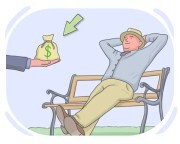
抵当, 住宅ローン

Ex: He refinanced his mortgage to take advantage of lower interest rates and reduce monthly payments. 
pension
pension
[名詞]

a regular payment made to a retired person by the government or a former employer

年金, 退職金

年金, 退職金

Ex: She was concerned about the security of her pension following the company's financial difficulties. 
recession
recession
[名詞]

a hard time in a country's economy characterized by a reduction in employment, production, and trade

不況

不況

Ex: The recession caused a significant drop in consumer confidence, affecting retail sales. 
refund
refund
[名詞]

an amount of money that is paid back because of returning goods to a store or one is not satisfied with the goods or services

返金, 払い戻し

返金, 払い戻し

Ex: She received a full refund after returning the defective shoes. 

彼女は欠陥のある靴を返品した後、全額返金を受け取りました。

revenue
revenue
[名詞]

income collected by a government through taxes and other official sources

税収, 国庫収入

税収, 国庫収入

Ex: Sales tax revenue funds local infrastructure projects. 
stock market
stock market
[名詞]

the business of trading and exchanging shares of different companies

株式市場, 証券取引所

株式市場, 証券取引所

Ex: The stock market experienced a significant drop today, causing investors to worry about their portfolios. 

株式市場は今日、大幅な下落を経験し、投資家が自分のポートフォリオについて心配する原因となった。

unstable
unstable
[形容詞]

prone to sudden change or alteration

不安定な, 変わりやすい

不安定な, 変わりやすい

Ex: The unstable nature of the relationship led to frequent arguments. 

関係の不安定な性質が頻繁な議論につながりました。

wage
wage
[名詞]

money that a person earns, daily or weekly, in exchange for their work

賃金, 給料

賃金, 給料

Ex: She used her wages from part-time work to save up for college tuition. 
to appreciate

(of value or price) to gradually rise

価値が上がる,  高騰する

価値が上がる, 高騰する

Ex: She decided to hold onto her vintage car, believing it would appreciate in value over time. 
bankruptcy
bankruptcy
[名詞]

a situation in which a person or business is unable to pay due debts

破産, 倒産

破産, 倒産

Ex: The company declared bankruptcy after years of financial losses. 

その会社は、何年もの財政的損失の後、破産を宣言しました。

capitalism
capitalism
[名詞]

an economic system in which property and businesses are primarily privately owned and operated for profit

資本主義

資本主義

Ex: The country's economy combines capitalism with extensive public services. 
LanGeek
LanGeekアプリをダウンロード