pattern

Vocabulary for IELTS (General) - Money

Here you will learn some English words about money, such as "asset", "discount", "pension", etc. that are needed for the IELTS exam.

Review

Flashcards

Forms

Spelling

Quiz

Start learning
Words for General IELTS
annual
annual
[Adjective]

happening, done, or made once every year

Ex: The school organized its annual sports day event in the fall .
Close
Sign in
asset
asset
[noun]

a valuable resource or quality owned by an individual, organization, or entity, typically with economic value and the potential to provide future benefits

Ex: Goodwill , reflecting a company 's reputation and customer loyalty , is considered an asset on its balance sheet .
Close
Sign in
auction
auction
[noun]

a public sale in which goods or properties are sold to the person who bids higher

Ex: The auction house specializes in selling fine art and jewelry.
Close
Sign in
to bargain

to negotiate the terms of a contract, sale, or similar arrangement for a better agreement, price, etc.

Ex: The union bargained with the company management for improved working conditions and better wages for its members .
Close
Sign in
benefit
benefit
[noun]

a financial aid provided by the government for people who are sick, unemployed, etc.

Ex: Many citizens rely on social benefits to cover basic living expenses during difficult times .
Close
Sign in
betting
betting
[noun]

the act of risking money on the result of an unpredictable event

Close
Sign in
budget
budget
[noun]

a specific amount of money set aside for a particular use
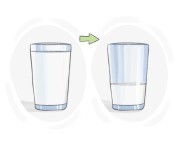
Ex: He set a weekly budget for groceries .
Close
Sign in
to decrease

to become less in amount, size, or degree

Ex: The number of visitors to the museum has decreased this month .
Close
Sign in
discount
discount
[noun]

the amount of money that is reduced from the usual price of something
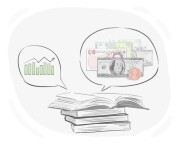
Ex: The store provided a 15 % discount for first-time customers .
Close
Sign in
economics
economics
[noun]

the study of how money, goods, and resources are produced, distributed, and used in a country or society
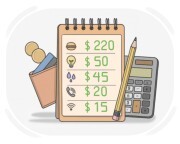
Ex: Behavioral economics studies how emotions and psychology influence financial decisions .
Close
Sign in
expense
expense
[noun]

the amount of money spent to do or have something

Ex: Many people use budgeting apps to categorize their expenses and identify areas where they can cut back to save money .
Close
Sign in
fair trade

trading practices that do not put consumers at a disadvantage

Close
Sign in
fare
fare
[noun]

the amount of money we pay to travel with a bus, taxi, plane, etc.

Ex: The subway fare increased by 10% this year.
Close
Sign in
fund
fund
[noun]

a sum of money that is collected and saved for a particular purpose

Ex: They set up a fund to help flood victims .
Close
Sign in
globalization

the fact that the cultures and economic systems around the world are becoming connected and similar as a result of improvement in communications and development of multinational corporations

Ex: The cultural influence of Hollywood is a major example of globalization in the entertainment industry .
Close
Sign in
inflation
inflation
[noun]

the ongoing increase in the general price level of goods and services in an economy over a period of time
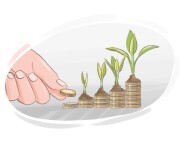
Ex: Wages failed to keep up with inflation, affecting many households .
Close
Sign in
investment

the act or process of putting money into something to gain profit
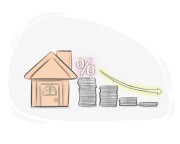
Ex: The government announced a major investment in renewable energy projects to combat climate change .
Close
Sign in
mortgage
mortgage
[noun]

an official contract or arrangement by which a bank gives money to someone as a loan to buy a house and the person agrees to repay the loan over a specified period, usually with interest
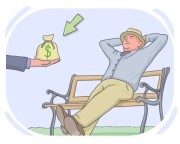
Ex: Failure to make mortgage payments on time can lead to foreclosure , where the lender repossesses the property .
Close
Sign in
pension
pension
[noun]

a regular payment made to a retired person by the government or a former employer

Ex: Government employees often receive a pension as part of their retirement benefits .
Close
Sign in
recession
recession
[noun]

a hard time in a country's economy characterized by a reduction in employment, production, and trade

Ex: Economists predicted that the recession would last for several quarters before signs of recovery would emerge .
Close
Sign in
refund
refund
[noun]

an amount of money that is paid back because of returning goods to a store or one is not satisfied with the goods or services

Ex: He requested a refund for the concert tickets since the event was canceled .
Close
Sign in
revenue
revenue
[noun]

income collected by a government through taxes and other official sources

Ex: The new law is expected to boost federal revenue.
Close
Sign in
stock market

the business of trading and exchanging shares of different companies

Ex: The global pandemic had a profound impact on the stock market, leading to volatile fluctuations .
Close
Sign in
unstable
unstable
[Adjective]

prone to sudden change or alteration

Ex: The unstable nature of the relationship led to frequent arguments .
Close
Sign in
wage
wage
[noun]

money that a person earns, daily or weekly, in exchange for their work

Ex: The government implemented policies to ensure fair wages and improve living standards for workers.
Close
Sign in
to appreciate

(of value or price) to gradually rise

Ex: The art collector 's investment paid off as the paintings appreciated considerably over the years .
Close
Sign in
bankruptcy

a situation in which a person or business is unable to pay due debts

Ex: The risk of bankruptcy increased as the market conditions worsened .
Close
Sign in
capitalism

an economic and political system in which industry, businesses, and properties belong to the private sector rather than the government

Ex: The collapse of the socialist regimes in Eastern Europe marked a shift towards capitalism in those countries .
Close
Sign in
LanGeek
Download LanGeek app