문학 - 시의 요소
여기에서 "arsis", "iambic", "internal rhyme"과 같은 시의 요소와 관련된 몇 가지 영어 단어를 배우게 됩니다.
리뷰
플래시카드
철자법
퀴즈

a syllable in a line of verse that is either long or short, depending on the context of the poem or the specific metrical pattern being used

시의 행에서 시의 문맥이나 사용되는 특정 운율 패턴에 따라 길거나 짧을 수 있는 음절, 시의 행에서 길이(길거나 짧음)가 시의 문맥이나 적용된 운율 체계에 따라 달라지는 음절
the rhythmic emphasis or stress placed on a syllable within a metrical foot of verse
리듬, 운율
운율의 변화가 시행에 불쾌하고 예상치 못한 박자를 주었다.
a rhetorical break or pause in the middle of a line of poetry, in modern prosody
휴지, 중간 휴지
any of the sections into which a long poem is divided
노래, 부분
그의 최신 책에서 저자는 서사를 열 개의 칸토로 나누었고, 각각은 다른 주제를 탐구합니다.
agreement between the sound or the ending of a word and another word
운, 압운
아이들은 놀이 시간 동안 운율을 만드는 것을 즐겼다.
a line of verse that ends with a complete pause and a grammatical or logical conclusion, often indicated by punctuation such as a period or comma
완전한 정지로 끝나는 시행, 문법적 또는 논리적 결론으로 끝나는 시행
the continuation of a sentence or clause beyond the end of a line of verse, without a grammatical pause or conclusion
엔잠브먼트, 행 넘김
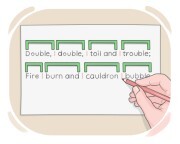
the basic unit of verse meter, consisting of one stressed syllable and one or more unstressed syllables
발, 척도
a half-line of verse, either the first or second half of a line, separated by a pause or caesura
반행, 반구
a pair of rhymed verses, consisting of ten syllables and five stresses, or an iambic pentameter
영웅적인 이행시, 영웅적인 연
a metrical foot in poetry consisting of two syllables, the first unstressed and the second stressed
약강격, 약강격 음보
a metrical unit in poetry consisting of an unstressed syllable followed by a stressed syllable
약강격, 이엠브
a sequence of printed or written letters or characters arranged horizontally to form words
줄, 행
the point at which a line of poetry ends and a new line begins, often used by poets to create emphasis, pause, or structure within a poem
줄 바꿈, 행 나눔
a unit of rhythm or meter in poetry, consisting of one stressed syllable and one or more unstressed syllables
운율적 발, 시적 발
a type of rhyme scheme in poetry where rhyming words or syllables appear in unexpected places within a line
오프센터 라임, 비대칭 라임
a metrical line of poetry consisting of five feet
오음보, 오보격
셰익스피어의 소네트는 오음보격으로 쓰여졌다.
the systematic study of metrical structures and sounds in poetry
운율학, 시에서의 운율 구조와 소리의 체계적인 연구
a repeated line or phrase in a poem or song, typically at the end of each stanza or verse
후렴
청중은 코러스 동안 익숙한 후렴을 함께 불렀다.
a series of lines in a poem, usually with recurring rhyme scheme and meter
연, 스탠자
그녀는 상징적 의미를 이해하기 위해 연을 분석했습니다.
a rhythmic and structural division of a poem consisting of a series of lines arranged together as a unit
연, 스탠자
a metrical foot in poetry consisting of one stressed syllable followed by one unstressed syllable
트로키, 강약격
rhythmic stress given to a syllable or word in a line of verse
강세, 악센트