
Czasowniki Zmysłów i Emocji - Czasowniki do wyrażania emocji
Tutaj nauczysz się niektórych angielskich czasowników odnoszących się do wyrażania emocji, takich jak "wyładowywać", "przyznawać" i "otwierać się".
Przegląd
Fiszki
formy
Pisownia
Test

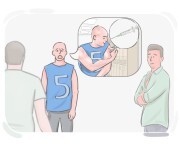
to agree with the truth of something, particularly in an unwilling manner

przyznawać, uznawać

to share or express one's personal thoughts, emotions, or experiences with someone else
otwierać się, dzielić się
Podczas sesji terapeutycznej stopniowo zaczęła otwierać się na temat swoich traumatycznych doświadczeń.
to freely express one's deep emotions, thoughts, or feelings
wylać swoje uczucia, swobodnie wyrażać głębokie uczucia
Podczas sesji terapeutycznej czuł się bezpiecznie, aby wylać swoje niepokoje i lęki.

to share personal thoughts, feelings, or information with someone in private
zawierzyć, powierzyć
Rodzeństwo często zwierzało się sobie nawzajem ze swoich marzeń i lęków.

to openly and confidently admit or declare something
wyznać, otwarcie oświadczyć
Autor wyznał inspirację stojącą za powieścią podczas wywiadu.

to strongly express one's feelings, particularly one's anger
wyładowywać, wyrażać
Kiedy jesteś przytłoczony, ważne jest, aby znaleźć zdrowe sposoby wyładowania emocji.

to confess and take responsibility for one's mistakes
przyznać się
Odwagi wymaga przyznanie się do błędów i uczenie się na nich.

to admit, often reluctantly, that something is true or correct
przyznać, ustąpić
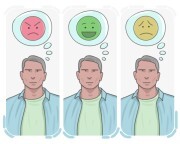
to conceal one's true emotions, beliefs, or intentions
ukrywać, maskować
Ukrył swoje prawdziwe intencje pod pozorem swobodnej rozmowy.

to keep a particular thought, feeling, hope, or intention in one's mind over time
żywić, pielęgnować

to carefully hold and nurture a thought, feeling, or theory within oneself over time without expressing them openly
pielęgnować, chować

to suppress the expression of one's feelings
powstrzymywać okazywanie uczuć, powstrzymać śmiech płacz lub inną emocję
Starała się powstrzymać śmiech podczas uroczystej ceremonii.
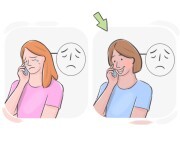
to suppress one's emotions or feelings
tłumić swoje uczucia, nie okazywać swoich uczuć
Musiał powstrzymać swój gniew i zachować spokój podczas kłótni.
| Czasowniki Zmysłów i Emocji | |||
|---|---|---|---|
| Czasowniki dla Działań Sensorycznych | Czasowniki dla Wizji | Czasowniki dla widoczności | Czasowniki dla niewidzialności |
| Czasowniki do emisji dźwięku | Czasowniki dla działań emocjonalnych | Czasowniki do wyrażania emocji | Czasowniki dla Empatii |
