Vocabulário Avançado para o TOEFL - O Reino Animal
Aqui você aprenderá algumas palavras em inglês sobre o reino animal, como "felino", "jogo", "presa", etc., que são necessárias para o exame TOEFL.
Revisar
Flashcards
Ortografia
Quiz


(of animals) capable of surviving both on land and in water

anfíbio, amphibious
Alguns animais anfíbios, como os tritões, podem respirar tanto pela pele quanto pelos pulmões.
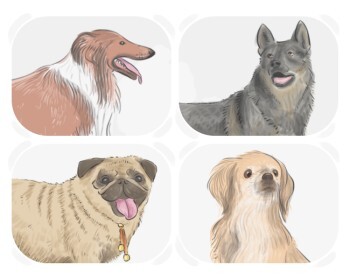
a member of the dog family, including domestic dogs, wolves, foxes, and related animals
canino, cão
Os lobos, uma espécie canina selvagem, exibem estruturas sociais e estratégias de caça complexas que fascinam os biólogos da vida selvagem.
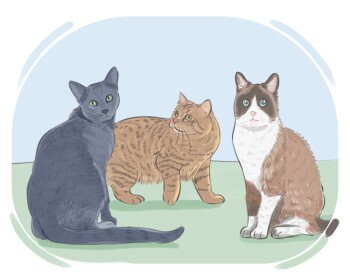
any animal in the cat family
felino, gato
O zoológico exibiu vários felinos, incluindo chitas e leopardos.
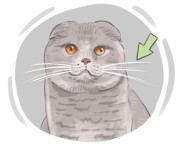
any of the long, stiff hairs that grow on the face of a cat, mouse, etc.
bigode, vibrissa
Os bigodes do esquilo roçaram na casca enquanto ele subia na árvore.
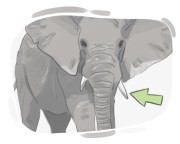
each of the curved pointy teeth of some animals such as elephants, boars, etc., especially one that stands out from the closed mouth
presa, defesa
As presas do narval, frequentemente confundidas com chifres de unicórnio, inspiraram mitos e lendas durante séculos.
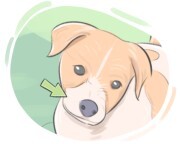
the long and protruding facial part of an animal which comprises its nose and mouth, especially in a mammal
focinho, tromba
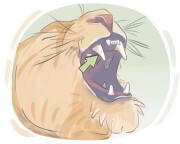
a long, pointed tooth found in carnivorous animals, used for biting, gripping, and tearing flesh
presas, caninos
As presas do lobo são essenciais para caçar e rasgar a carne.
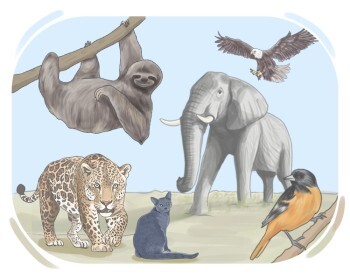
the animals of a particular geological period or region
fauna, animais
A mudança climática representa uma ameaça para a fauna ártica, colocando em risco espécies como ursos polares e raposas do Ártico.
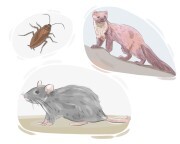
small animals or insects that are believed to be destructive and are difficult to handle when they appear in a considerable number
pragas, animais nocivos
Durante a Idade Média, pragas como pulgas e piolhos eram comuns e frequentemente espalhavam doenças.
wild animals or birds that are hunted for food or sport
caça, presa
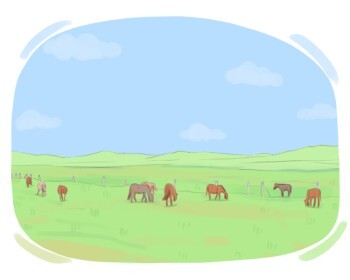
(of sheep, cows, etc.) to feed on the grass in a field
pastar, pastorear
O pastor conduziu o rebanho para pastar na encosta.
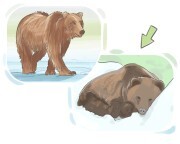
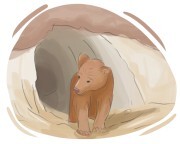
(of some animals or plants) to spend the winter sleeping deeply
hibernar, passar o inverno em hibernação
Os esquilos terrestres hibernam em suas tocas, onde entram em um estado de torpor profundo para sobreviver ao inverno.
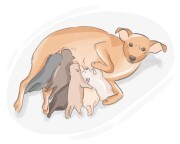
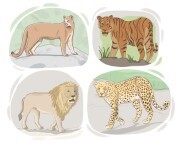
an animal that hunts, kills, and eats other animals
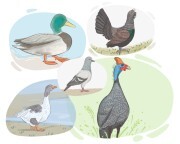
an animal that is hunted and killed for food by another animal
presa
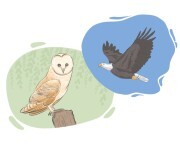
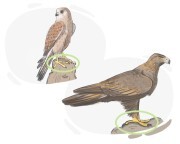
a bird, such as an eagle or a hawk, that feeds on animal flesh
ave de rapina, rapina
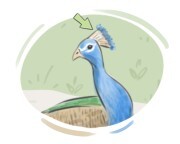
a prominent feature exhibited by some birds on their heads, consisting of feathers, fur, or skin
crista, topete
Durante a época de acasalamento, o quetzal macho desenvolve uma crista particularmente vibrante e longa para atrair um parceiro.
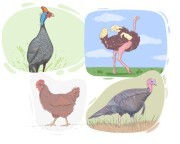
a domesticated bird that is particularly kept for its meat and eggs
ave doméstica, galinha
As aves domésticas, como patos e gansos, migram para climas mais quentes durante o inverno.
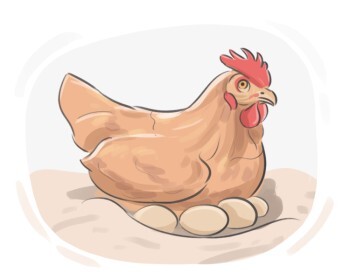
to keep an egg in a favorable condition to help it develop until it hatches
incubar, chocar
Aves de rapina como águias constroem grandes ninhos onde incubam seus ovos e criam seus filhotes.

a bird that is too young to leave the nest built by its parents, especially one that has not yet learned how to fly
pintinho, pássaro jovem
the feathers of a bird covering its body
plumagem, penas
Os patos mudam e regeneram sua plumagem todos os anos.
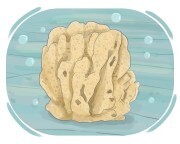
a marine invertebrate with a body full of holes through which water can circulate and nutrients can be absorbed
esponja, porífero
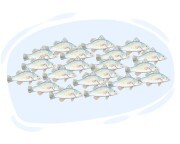
a large number of fish or sea mammals that swim together
cardume, banco
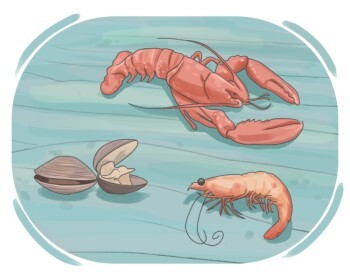
a sea creature with a hard shell and jointed legs such as crabs and lobsters
crustáceo, crustáceo
O aquário tem uma exposição fascinante que mostra o diverso mundo dos crustáceos, desde caranguejos-eremitas até camarões gigantes.
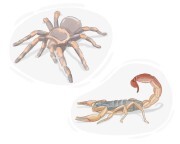
a class of terrestrial arthropods that breathe air and have four pairs of limbs, such as spiders, scorpions, etc.
aracnídeo
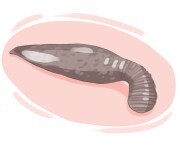
a parasitic flatworm that is shaped like a ribbon and lives in the intestines of mammals
tênia, verme solitário

a small wingless insect that is silvery and nocturnal, which feeds on paper products or clothing
peixinho de prata, traça
an invertebrate animal with a segmented body and a chitinous exoskeleton, such as a spider, crab, etc.
artrópode, animal artrópode
Os artrópodes mudam seu exoesqueleto à medida que crescem.
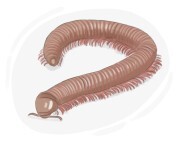
an arthropod with many pairs of legs and a pair of poisonous fangs
centopeia, escolopendra
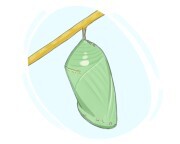
the stage of the metamorphosis that comes between the larval and adult stages of a moth or butterfly
crisálida, ninfa

a silky covering that the larvae of some insects make around themselves during metamorphosis
casulo, envoltório de seda
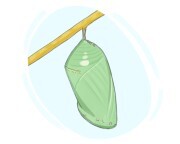
a young form of an insect or an animal that has come out of the egg but has not yet developed into an adult
larva
the hard outer covering that supports the body of an animal, such as an arthropod
exoesqueleto, carapaça
O exoesqueleto de um gafanhoto permite que ele salte longas distâncias.
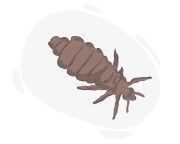
a small parasitic insect that lives and feeds on the body of warm-blooded animals
piolho, parasita
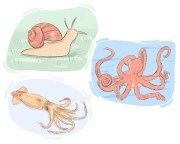
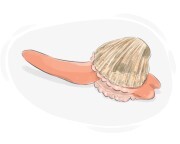
any invertebrate that lives in aquatic or damp habitats and has a soft unsegmented body, often covered with a shell
molusco, concha
Alguns moluscos, como os caracóis, movem-se lentamente usando um pé muscular.