Geavanceerde Woordenschat voor de TOEFL - Het Dierenrijk
Hier leer je enkele Engelse woorden over het dierenrijk, zoals "felien", "spel", "prooi", enz., die nodig zijn voor het TOEFL-examen.
Herzien
Flashcards
Spelling
Quiz

(of animals) capable of surviving both on land and in water

amfibisch, zowel op het land als in het water kunnen leven
Amfibische soorten, zoals otters, zijn geëvolueerd om in water te jagen en op land te rusten.
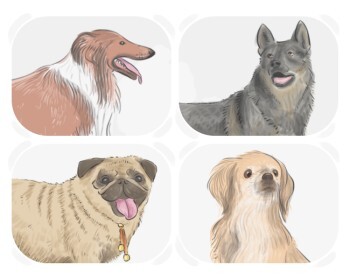
a member of the dog family, including domestic dogs, wolves, foxes, and related animals
hond, canide
Hondachtige metgezellen, zoals Labrador Retrievers, staan bekend om hun vriendelijke karakter en worden vaak gebruikt als therapiehonden.
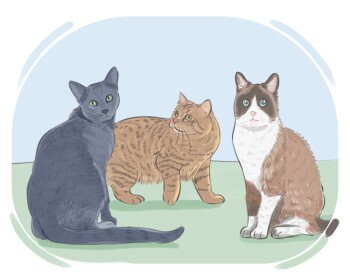
any animal in the cat family
katachtige, kat
Ze adopteerde een speelse katachtige uit het dierenasiel.
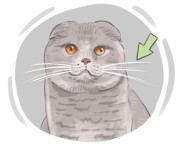
any of the long, stiff hairs that grow on the face of a cat, mouse, etc.
snorhaar, vibrissae
Muizen gebruiken hun snorharen om zich een weg te voelen door nauwe ruimtes.
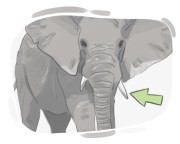
each of the curved pointy teeth of some animals such as elephants, boars, etc., especially one that stands out from the closed mouth
slagtand, tand
Met een zacht duwtje gebruikte de olifant zijn slagtanden om een gevallen metgezel weer op zijn poten te helpen.
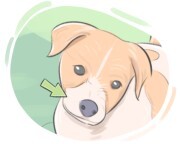
the long and protruding facial part of an animal which comprises its nose and mouth, especially in a mammal
snuit, neus
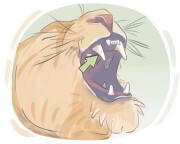
a long, pointed tooth found in carnivorous animals, used for biting, gripping, and tearing flesh
hoektanden, slagtanden
De slagtanden van de krokodil zijn krachtige hulpmiddelen om glibberige vissen vast te grijpen.
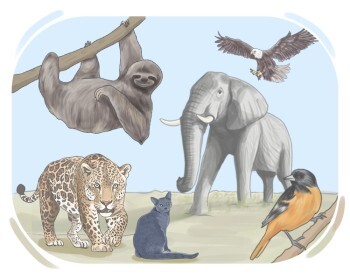
the animals of a particular geological period or region
fauna, dieren
De Afrikaanse savanne heeft een diverse fauna, inclusief leeuwen, olifanten en giraffen.
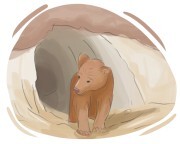
a place where a wild animal lives, hides, or takes refuge
hol, schuilplaats
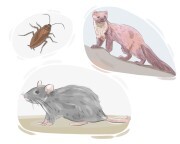
small animals or insects that are believed to be destructive and are difficult to handle when they appear in a considerable number
ongedierte, plaagdieren
In veel grote steden worden duiven vaak als ongedierte beschouwd vanwege hun grote populaties en de rommel die ze veroorzaken.
wild animals or birds that are hunted for food or sport
wild, jachtwild
Voorschriften bepalen welk wild er gejaagd mag worden en wanneer.
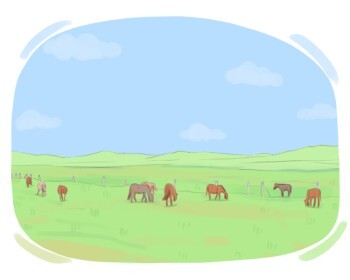
(of sheep, cows, etc.) to feed on the grass in a field
grazen, weiden
Boeren draaien hun vee naar verschillende velden om ervoor te zorgen dat ze verse gebieden hebben om te grazen.
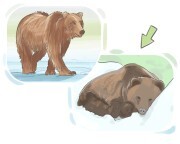
(of some animals or plants) to spend the winter sleeping deeply
winterslaap houden, de winter in diepe slaap doorbrengen
Er wordt gezegd dat de schaduw van de grondvos voorspelt hoe lang hij zal winterslapen.
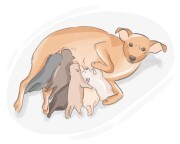
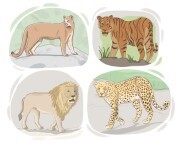
any animal that lives by hunting and eating other animals
roofdier, jager
Tijgers, als solitaire roofdieren, besluipen hun prooi geruisloos door de dichte bossen van Azië.
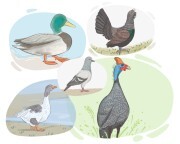
an animal that is hunted and eaten by another animal
prooi, slachtoffer
De spin spon een web om zijn prooi te vangen.
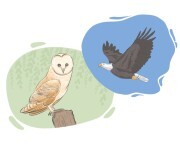
a bird, such as an eagle or a hawk, that feeds on animal flesh
roofvogel, jachtvogel
a short sharp sound characteristic of a bird or an insect
getjilp, gekwetter
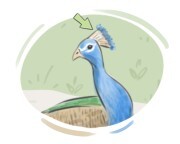
a prominent feature exhibited by some birds on their heads, consisting of feathers, fur, or skin
kuif, kam
De kam van de pauw, hoewel niet zo groot als de staartveren, draagt bij aan zijn majestueuze uiterlijk.
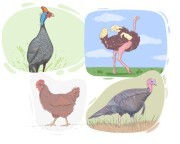
a domesticated bird that is particularly kept for its meat and eggs
gevogelte, vogel
Ze geniet ervan om verschillende pluimvee in hun natuurlijke habitats te schetsen.
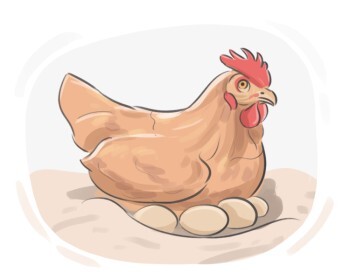
to keep an egg in a favorable condition to help it develop until it hatches
incuberen, broeden
De pinguïnouders wisselden elkaar af om hun ei te broeden.

a bird that is too young to leave the nest built by its parents, especially one that has not yet learned how to fly
nestjong, jonge vogel
the feathers of a bird covering its body
verenkleed, veren
De ornitholoog bestudeerde het verenkleed van de vogel om zijn soort te identificeren.
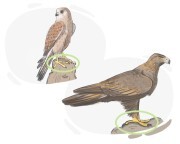
a long, sharp nail on the foot of some birds, especially birds of prey
klauw, nagel
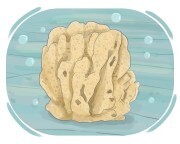
a marine invertebrate with a body full of holes through which water can circulate and nutrients can be absorbed
spons, porifera
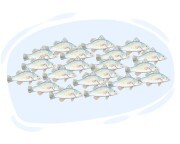
a large number of fish or sea mammals that swim together
school, schaar
Een school dolfijnen sprong speels uit het water bij de boot.
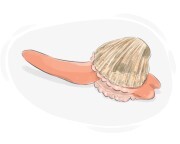
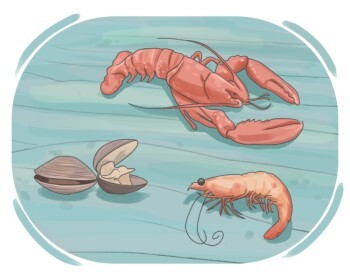
a sea creature with a hard shell and jointed legs such as crabs and lobsters
schaaldier, kreeftachtige
Het aquarium heeft een fascinerende tentoonstelling die de diverse wereld van schaaldieren toont, van heremietkreeften tot reuzengarnalen.
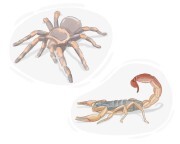
a class of terrestrial arthropods that breathe air and have four pairs of limbs, such as spiders, scorpions, etc.
spinachtige
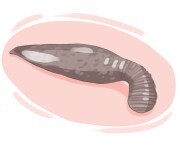
a parasitic flatworm that is shaped like a ribbon and lives in the intestines of mammals
lintworm, tapeworm

a small wingless insect that is silvery and nocturnal, which feeds on paper products or clothing
zilvervisje, suikergast
an invertebrate animal with a segmented body and a chitinous exoskeleton, such as a spider, crab, etc.
geleedpotige, arthropod
Schaaldieren, waaronder garnalen en kreeften, zijn waterige geleedpotigen.
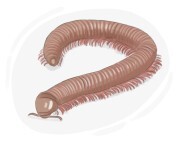
an arthropod with many pairs of legs and a pair of poisonous fangs
duizendpoot, skolopender
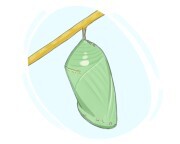
the stage of the metamorphosis that comes between the larval and adult stages of a moth or butterfly
pop, chrysalis

a silky covering that the larvae of some insects make around themselves during metamorphosis
cocon, zijden omhulsel
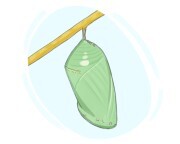
a young form of an insect or an animal that has come out of the egg but has not yet developed into an adult
larve
the hard outer covering that supports the body of an animal, such as an arthropod
exoskelet, pantser
Schaaldieren zoals krabben hebben exoskeletten gemaakt van chitine.
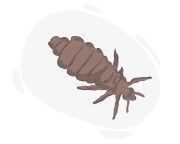
a small parasitic insect that lives and feeds on the body of warm-blooded animals
luis, parasiet
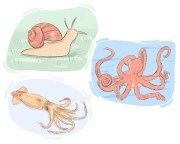
any invertebrate that lives in aquatic or damp habitats and has a soft unsegmented body, often covered with a shell
weekdier, schelp
Ze verzamelde schelpen, gefascineerd door de diversiteit van weekdieren.