Avancerat Ordförråd för TOEFL - Djurriket
Här kommer du att lära dig några engelska ord om djurriket, såsom "kattdjur", "vilt", "byte" etc., som behövs för TOEFL-provet.
Recension
Flashcards
Stavning
Quiz


(of animals) capable of surviving both on land and in water

amfibisk, kan överleva både på land och i vatten
Vissa amfibiska varelser, som mudskippers, kan till och med gå på land med sina fenor.
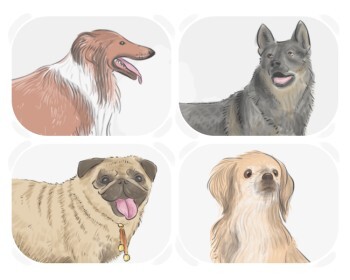
a member of the dog family, including domestic dogs, wolves, foxes, and related animals
hund, canid
Familjens hund vakthund skällde högt vid minsta tecken på inkräktare, vilket gav ett extra lager av säkerhet för deras hem.
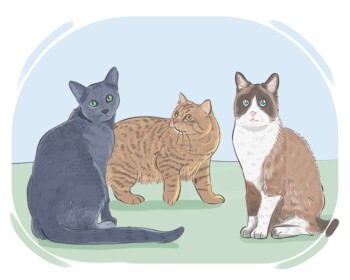
any animal in the cat family
kattdjur, katt
Kattdjur har retractila klor som hjälper dem att klättra i träd.
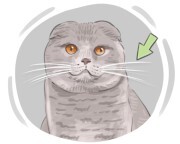
any of the long, stiff hairs that grow on the face of a cat, mouse, etc.
morrhår, vibrissor
Sälens morrhår upptäcker vibrationer i vattnet för att lokalisera byten.
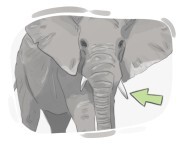
each of the curved pointy teeth of some animals such as elephants, boars, etc., especially one that stands out from the closed mouth
bete, stöttand
Valrossen använde sina långa betar för att bryta upp skaldjur och avslöjade det saftiga köttet inuti.
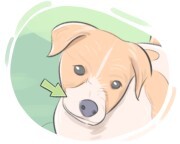
the long and protruding facial part of an animal which comprises its nose and mouth, especially in a mammal
nos, tryne
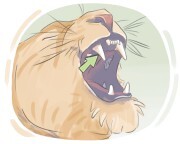
a long, pointed tooth found in carnivorous animals, used for biting, gripping, and tearing flesh
huggtänder, vassa tänder
Hundens hörntänder var synliga när den morrade.
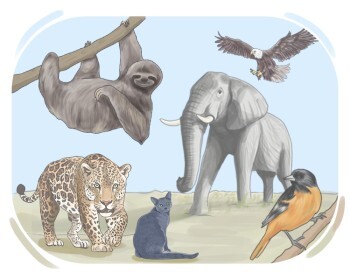
the animals of a particular geological period or region
fauna, djur
Biologen genomförde en undersökning av den lokala faunan, där han dokumenterade de olika arter av fåglar, däggdjur och insekter som bebor området.
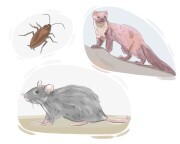
small animals or insects that are believed to be destructive and are difficult to handle when they appear in a considerable number
skadedjur, olycksdjur
Det gamla lagret fördömdes efter att inspektörer upptäckte att det var översvämmat med skadedjur.
wild animals or birds that are hunted for food or sport
vilt, jaktbyte
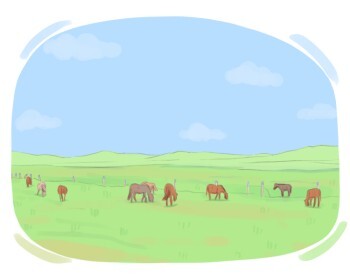
(of sheep, cows, etc.) to feed on the grass in a field
beta, gå på bete
Hästarna var nöjda när de betade på den frodiga gröna gräset.
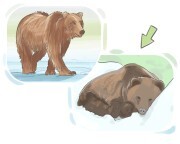
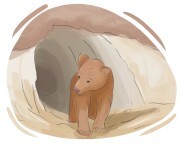
(of some animals or plants) to spend the winter sleeping deeply
övervintra, tillbringa vintern i dvala
Hasselmusen är känd för att övervintra i bon gömd i trädhålor eller underjordiska tunnlar.
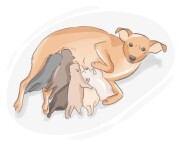
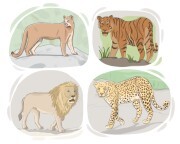
an animal that hunts, kills, and eats other animals
rovdjur, predator
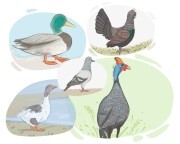
an animal that is hunted and killed for food by another animal
byte
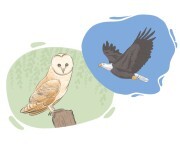
a bird, such as an eagle or a hawk, that feeds on animal flesh
rovfågel, jaktfågel
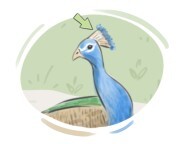
a prominent feature exhibited by some birds on their heads, consisting of feathers, fur, or skin
kam, tofs
Biologer noterade att kasuarens kam är gjord av ett segt, keratinhaltigt material.
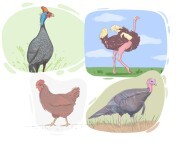
a domesticated bird that is particularly kept for its meat and eggs
fjäderfä, fågel
Fjäderfä behöver rätt vård och näring för att förbli friska och produktiva.
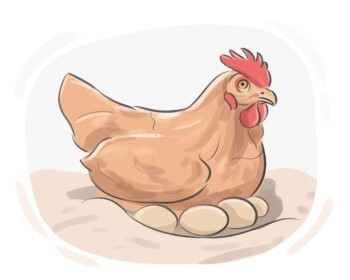
to keep an egg in a favorable condition to help it develop until it hatches
inkubera, ruva
Moderkrokodilen kläckte tålmodigt sina ägg som var begravda i sanden.

a bird that is too young to leave the nest built by its parents, especially one that has not yet learned how to fly
unge, ungfågel
the feathers of a bird covering its body
fjäderdräkt, fjädrar
Papegojans färgglada fjäderdräkt lockade besökare till fågelhuset.
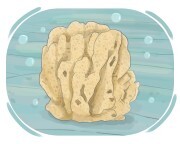
a marine invertebrate with a body full of holes through which water can circulate and nutrients can be absorbed
svamp, porifera
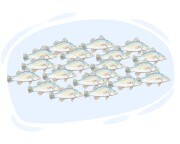
a large number of fish or sea mammals that swim together
stim, skola
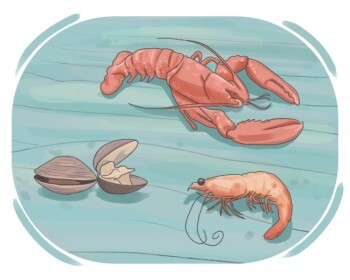
a sea creature with a hard shell and jointed legs such as crabs and lobsters
kräftdjur, skaldjur
Under vår naturvandring hittade vi ett intressant kräftdjur, en liten sötvattenskräfta, i bäcken.
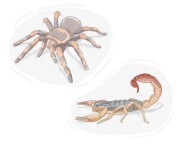
a class of terrestrial arthropods that breathe air and have four pairs of limbs, such as spiders, scorpions, etc.
spindeldjur
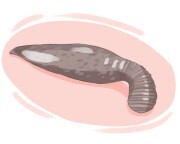
a parasitic flatworm that is shaped like a ribbon and lives in the intestines of mammals
binnikemask, bandmask

a small wingless insect that is silvery and nocturnal, which feeds on paper products or clothing
silverfisk, sockerfisk
an invertebrate animal with a segmented body and a chitinous exoskeleton, such as a spider, crab, etc.
leddjur, arthropod
Spindlar är leddjur kända för sin förmåga att spinna silke.
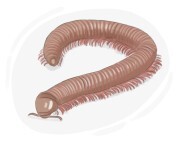
an arthropod with many pairs of legs and a pair of poisonous fangs
tusenfoting, skolopender
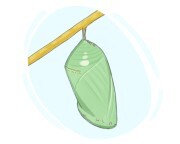
the stage of the metamorphosis that comes between the larval and adult stages of a moth or butterfly
puppa, chrysalis

a silky covering that the larvae of some insects make around themselves during metamorphosis
kokong, silkeshölje
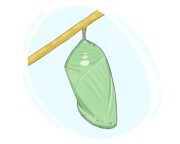
a young form of an insect or an animal that has come out of the egg but has not yet developed into an adult
larv
the hard outer covering that supports the body of an animal, such as an arthropod
exoskelett, skal
Spindelns exoskelett skyddar den från rovdjur.
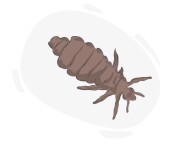
a small parasitic insect that lives and feeds on the body of warm-blooded animals
lus, parasit
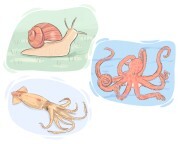
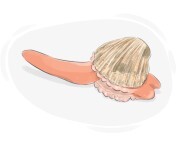
any invertebrate that lives in aquatic or damp habitats and has a soft unsegmented body, often covered with a shell
blötdjur, snäcka
Musslor och blåmusslor är ätbara blötdjur som finns i kustnära vatten.