Advanced Vocabulary for TOEFL - The Animal Kingdom

Here you will learn some English words about the animal kingdom, such as "feline", "game", "prey", etc. that are needed for the TOEFL exam.

review-disable

review

flashcard-disable

flashcard

spelling-disable

spelling

quiz-disable

quiz

start-learning
Advanced Vocabulary for TOEFL
amphibious [adjective]

(of animals) capable of surviving both on land and in water
Ex: Amphibious species , like otters , have evolved to hunt in water and rest on land .
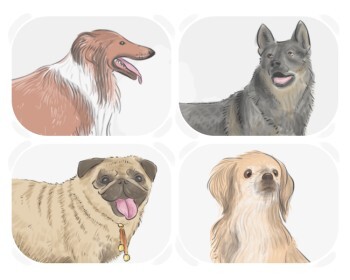
canine [noun]

a member of the dog family, including domestic dogs, wolves, foxes, and related animals
Ex: Canine companions , such as Labrador Retrievers , are known for their friendly disposition and are often used as therapy dogs .
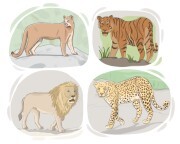
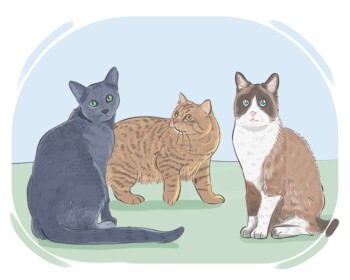
feline [noun]

any animal in the cat family

Ex: She adopted a playful feline from the animal shelter .
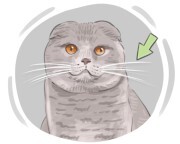
whisker [noun]

any of the long, stiff hairs that grow on the face of a cat, mouse, etc.
Ex:
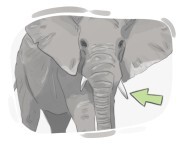
tusk [noun]

each of the curved pointy teeth of some animals such as elephants, boars, etc., especially one that stands out from the closed mouth

Ex: With a gentle nudge , the elephant used its tusks to help a fallen companion back onto its feet .
snout [noun]

the long and protruding facial part of an animal which comprises its nose and mouth, especially in a mammal
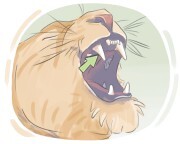
fang [noun]

a long, pointed tooth found in carnivorous animals, used for biting, gripping, and tearing flesh
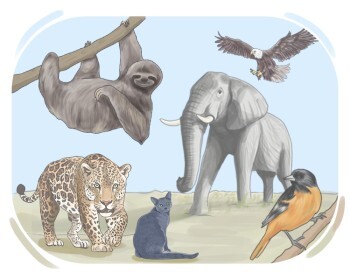
Ex: The crocodile 's fangs are powerful tools for gripping slippery fish .
fauna [noun]

the animals of a particular geological period or region
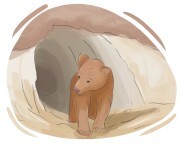
Ex: The African savanna boasts a diverse fauna , including lions , elephants , and giraffes .
lair [noun]

a place where a wild animal lives, hides, or takes refuge

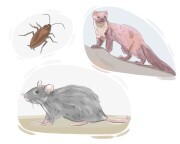
vermin [noun]

small animals or insects that are believed to be destructive and are difficult to handle when they appear in a considerable number

Ex: In many big cities , pigeons are often considered vermin due to their large populations and the mess they create .
game [noun]

wild animals or birds that are hunted for food or sport
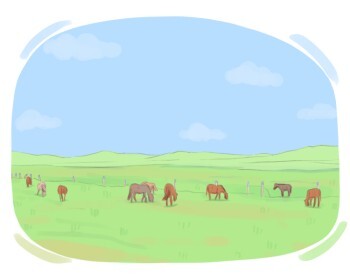
Ex: Hunting game requires patience and skill .
to graze [verb]

(of sheep, cows, etc.) to feed on the grass in a field
Ex: Farmers rotate their livestock to different fields to ensure they have fresh areas to graze .

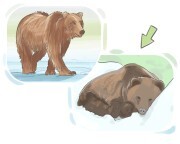
(of some animals or plants) to spend the winter sleeping deeply
Ex: The groundhog 's shadow is said to predict how long it will hibernate .
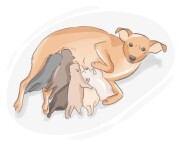
litter [noun]

a group of newly-born mammals from the same mother

predator [noun]

any animal that lives by hunting and eating other animals
Ex: Tigers , as solitary predators , stalk their prey silently through the dense forests of Asia .
prey [noun]

an animal that is hunted and eaten by another animal
Ex: The spider spun a web to catch its prey .

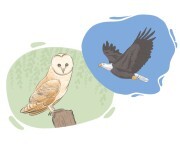
a bird, such as an eagle or a hawk, that feeds on animal flesh

chirp [noun]

a short sharp sound characteristic of a bird or an insect

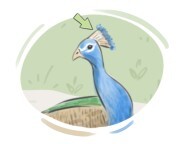
crest [noun]

a prominent feature exhibited by some birds on their heads, consisting of feathers, fur, or skin
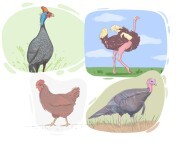
Ex: The peacock ’s crest , though not as large as its tail feathers , adds to its majestic appearance .
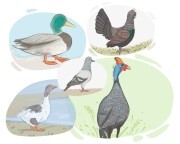
fowl [noun]

a domesticated bird that is particularly kept for its meat and eggs
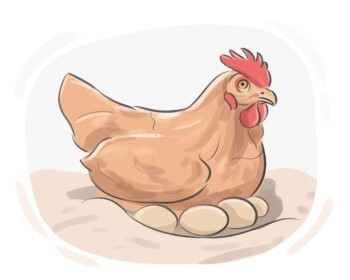
Ex: She enjoys sketching different fowl in their natural habitats .

to keep an egg in a favorable condition to help it develop until it hatches

Ex: The penguin parents took turns to incubate their egg .
nestling [noun]

a bird that is too young to leave the nest built by its parents, especially one that has not yet learned how to fly

plumage [noun]

the feathers of a bird covering its body
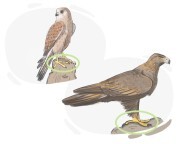
Ex: The ornithologist studied the bird 's plumage to identify its species .
talon [noun]

a long, sharp nail on the foot of some birds, especially birds of prey

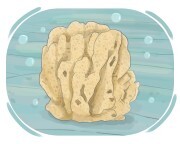
sponge [noun]

a marine invertebrate with a body full of holes through which water can circulate and nutrients can be absorbed
school [noun]

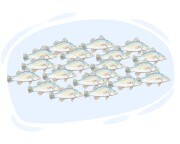
a large number of fish or sea mammals that swim together
Ex: A large school of silverfish formed a shimmering cloud in the shallow waters .
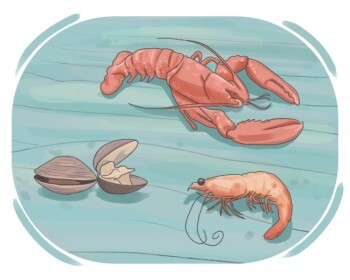
clam [noun]

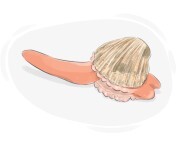
an edible marine shellfish living in sand or mud

a sea creature with a hard shell and jointed legs such as crabs and lobsters
Ex: The aquarium has a fascinating exhibit showcasing the diverse world of crustaceans , from hermit crabs to giant prawns .
arachnid [noun]

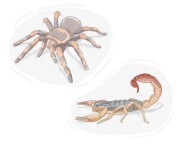
a class of terrestrial arthropods that breathe air and have four pairs of limbs, such as spiders, scorpions, etc.

tapeworm [noun]

a parasitic flatworm that is shaped like a ribbon and lives in the intestines of mammals

a small wingless insect that is silvery and nocturnal, which feeds on paper products or clothing

an invertebrate animal with a segmented body and a chitinous exoskeleton, such as a spider, crab, etc.
Ex: Crustaceans , including shrimp and lobsters , are aquatic arthropods .

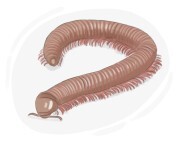
an arthropod with many pairs of legs and a pair of poisonous fangs

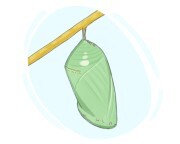
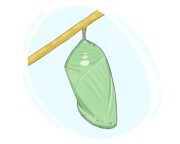
the stage of the metamorphosis that comes between the larval and adult stages of a moth or butterfly

cocoon [noun]

a silky covering that the larvae of some insects make around themselves during metamorphosis
larva [noun]

a young form of an insect or an animal that has come out of the egg but has not yet developed into an adult

the hard outer covering that supports the body of an animal, such as an arthropod
Ex: Crustaceans like crabs have exoskeletons made of chitin .
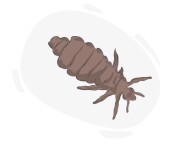
louse [noun]

a small parasitic insect that lives and feeds on the body of warm-blooded animals

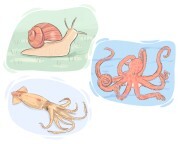
mollusk [noun]

any invertebrate that lives in aquatic or damp habitats and has a soft unsegmented body, often covered with a shell

Ex: She collected seashells , fascinated by the diversity of mollusks .
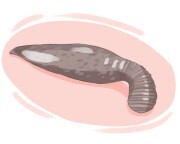
leech [noun]

a parasitic or predatory worm of the annelid family that lives in freshwaters and drinks blood by attaching itself to its prey