
Продвинутый Словарный Запас для TOEFL - Физические заболевания и травмы
Здесь вы выучите некоторые английские слова о физических состояниях и травмах, таких как "больной", "припадок", "язва" и т.д., которые необходимы для экзамена TOEFL.
Обзор
Флэш-карточки
Правописание
Тест


an unusual feature in someone's body or behavior that may be harmful, caused by duplication or deletion of a single gene

ненормальность
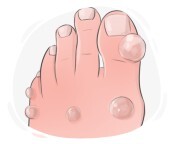
a swollen area on the skin filled with liquid, caused by constant rubbing or by burning
волдырь
Волдырь — это небольшой мешочек с жидкостью, который образуется на коже, обычно вызванный трением, ожогами или другими травмами.
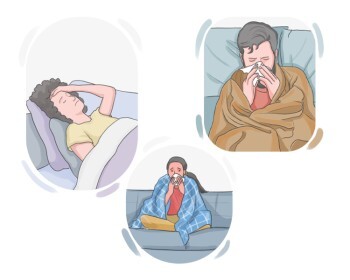
any physical problem that might put one's health in danger
болезнь
Врачи не смогли определить основную болезнь, которая вызвала его усталость и слабость.
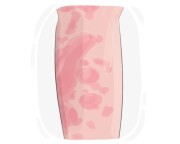
a feeling of pain or discomfort in a part of the body that is swollen or sensitive, often caused by allergens, chemicals, or injuries
раздражение
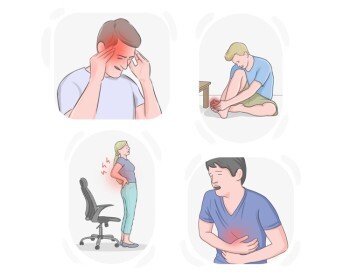
a state of pain or suffering due to a physical or mental condition
недуг
Его духовные убеждения помогли ему найти утешение перед лицом страдания от неизлечимой болезни.
an illness, often a minor one
заболевание
Она посетила врача, чтобы обсудить свою постоянную болезнь желудка.
a momentary loss of consciousness provoked by a hard blow on the head
сотрясение мозга
Врач назначил сканирование мозга, чтобы оценить тяжесть сотрясения мозга и исключить любые потенциальные осложнения.
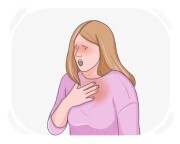
a sudden and unexpected start or return of a medical problem
припадок
У нее случился приступ ночью, и ее срочно доставили в больницу.
a severe injury that causes an internal organ or soft tissue to break or tear suddenly
разрыв
Сильные приступы кашля могут привести к разрыву легкого, что приведет к затруднению дыхания.
a feeling of being physically ill and irritated without knowing the reason
недомогание
Смутное недомогание Клэр, чувство дискомфорта и беспокойства, побудило ее несколько раз обратиться к специалистам.
damage inflicted on the body as a result of an external force or event
травма
Жертвы домашнего насилия часто страдают от физической и эмоциональной травмы.

a complete or partial loss of the ability to move and feel different parts of one's body, mainly caused by disease or an injury to the nerves
паралич
a sudden painful contraction in a muscle due to fatigue
судорога, спазм
У него случился судорога в икре во время марафона, и ему пришлось остановиться.
the loss of a fetus from the uterus before it can survive outside the womb
выкидыш
У неё случился выкидыш на раннем сроке беременности.
a lesion or sore on the skin that might bleed or even produce a poisonous substance
язва
Врач диагностировал у нее пептическую язву, которая вызывала сильную боль в животе и дискомфорт.
a growth with abnormal features that appears in the body and contains fluid
киста
a medical condition in which one has difficulty emptying one's bowels
запор
a medical condition in which body waste turns to liquid and comes out frequently
понос
Диарея характеризуется жидким, водянистым стулом, который происходит часто в течение дня.
(of an ilness) not fatal or harmful
доброкачественный
Она получила новость о том, что ее состояние было доброкачественным, что принесло облегчение ей и ее семье.
(of a tumor or disease) uncontrollable and likely to be fatal
злокачественный, опухолевый
Онколог рекомендовал комбинацию химиотерапии и облучения для борьбы со злокачественным заболеванием.

(of an illness) difficult to cure and long-lasting
хронический
Хроническая астма Мэри требует ежедневного приема лекарств для контроля симптомов.
related to or characterized by the presence of cancer, a disease caused by the uncontrolled growth and spread of abnormal cells
злокачественный, раковый
Врач обнаружил раковую опухоль во время планового осмотра пациента.
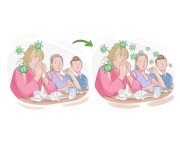
(of a disease) transmittable from one person to another through close contact
заразный
COVID-19 очень заразен, легко распространяясь среди людей в многолюдных местах.

(of a disease or characteristic) able to be passed on to a child through the genes of its parents
наследственный
Наследственные признаки, такие как цвет глаз, передаются от родителей к детям.
having a disease since birth that is not necessarily hereditary
врождённый
Врожденное состояние Мэри привело к тому, что она родилась с лишним пальцем на каждой руке.
(of a body part or wound) infected by harmful bacteria
септический
Врач лечил септическую рану пациента антибиотиками.
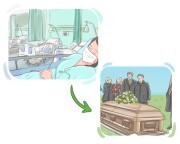
(of an illness) having no cure and gradually leading to death
неизлечимый
Бабушке Мэри поставили диагноз терминальный рак легких и поместили в хоспис.
relating to or caused by an illness or disease
патологический
Врач наблюдал патологические изменения в органах пациента из-за прогрессирования болезни.
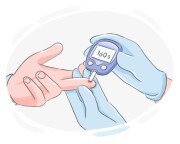
having a health condition marked by an impaired ability to regulate blood sugar levels
диабетик
Медсестра предоставила диабетическим пациентам рекомендации по введению инсулина и проверке уровня сахара в крови.
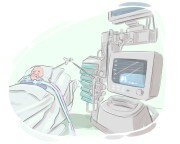
being in a state of coma or relating to coma
коматозный
Пациент оставался в коме в течение нескольких недель после аварии.
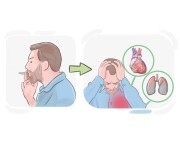
to make a problem, situation, or condition worse or more serious
усугублять
Их небрежные действия усугубили и без того плохую ситуацию.
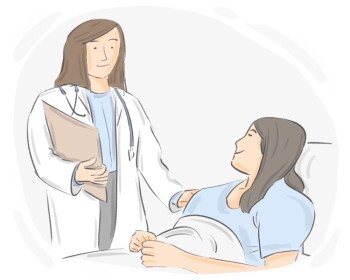
to recover from a disease or injury
восстановить силы
После операции он оставался в больнице несколько дней, чтобы поправиться, прежде чем вернуться домой.
a period during which a patient's condition improves and the symptoms seem less severe
ремиссия
После нескольких курсов химиотерапии рак вошёл в ремиссию, и пациент начал восстанавливать силы и энергию.
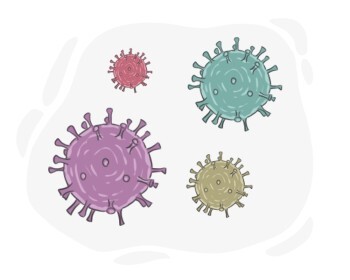
any organism that can cause diseases
патоген
Лабораторные тесты подтвердили наличие бактериального патогена, ответственного за тяжелое пищевое отравление пациента.
a physical condition in which a part of the body becomes swollen, painful, and red as a result of an infection or injury
воспаление
to suffer or undergo something irritating, especially an injury, disease, etc.
выдерживать
Спортсмен получил серьезную травму во время игры.
to die as a result of a disease or injury
поддаться
Он поддался своим травмам после автомобильной аварии.
