
Vocabular Avansat pentru TOEFL - Condiții Fizice și Leziuni
Aici vei învăța câteva cuvinte în engleză despre condițiile fizice și rănile, cum ar fi "dureros", "criză", "ulcer" etc., care sunt necesare pentru examenul TOEFL.
Revizuire
Fișe de studiu
Ortografie
Chestionar


an unusual feature in someone's body or behavior that may be harmful, caused by duplication or deletion of a single gene

anomalie, aberație
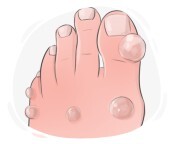
a swollen area on the skin filled with liquid, caused by constant rubbing or by burning
bășică, vezică
O bășică este un mic sac cu lichid care se formează pe piele, de obicei cauzat de frecare, arsuri sau alte leziuni.
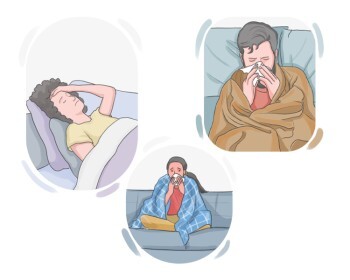
any physical problem that might put one's health in danger
boală, afecțiune
Medicii nu au putut determina boala de bază care a cauzat oboseala și slăbiciunea lui.
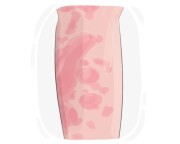
a feeling of pain or discomfort in a part of the body that is swollen or sensitive, often caused by allergens, chemicals, or injuries
iritație
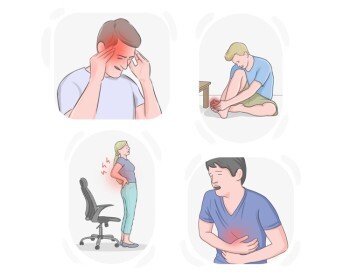
a state of pain or suffering due to a physical or mental condition
suferință, necaz
Credințele sale spirituale l-au ajutat să găsească alinare în fața suferinței bolii sale terminale.
a distinct period during which someone experiences particular symptoms or effects of an illness
episod, criză
an illness, often a minor one
boală, afecțiune
Ea a vizitat medicul pentru a discuta despre afecțiunea ei persistentă la stomac.
a momentary loss of consciousness provoked by a hard blow on the head
commoție cerebrală, contuzie cerebrală
Medicul a cerut o scanare a creierului pentru a evalua severitatea commotiei cerebrale și pentru a exclude orice complicații potențiale.
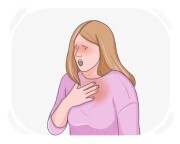
a sudden and unexpected start or return of a medical problem
criză
Ea a avut un atac în timpul nopții și a fost transportată urgent la spital.
a severe injury that causes an internal organ or soft tissue to break or tear suddenly
ruptură, spargere
A simțit o durere bruscă și ascuțită în abdomen, temându-se că era un semn al rupturii apendicelui.
a feeling of being physically ill and irritated without knowing the reason
disconfort
Malaise-ul vag al Clairei, o senzație de disconfort și neliniște, a determinat mai multe vizite la specialiști.
damage inflicted on the body as a result of an external force or event
traumă, leziune
Boxerul a suferit un traumatism cerebral sever după ce a primit lovituri repetate la cap în timpul meciului.
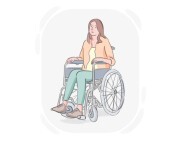
a complete or partial loss of the ability to move and feel different parts of one's body, mainly caused by disease or an injury to the nerves
paralizie
a sudden painful contraction in a muscle due to fatigue
crampă, contracție musculară
A avut un cramp în gambă în timpul maratonului și a trebuit să se oprească.
the loss of a fetus from the uterus before it can survive outside the womb
avort spontan, pierdere gestațională
Ea a suferit un avort spontan la începutul sarcinii.
an open sore on the skin or inside the body that heals slowly and may bleed or produce pus
ulcer, ulcerație
a medical condition in which one has difficulty emptying one's bowels
constipație, opstipatie
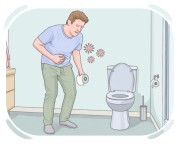
a medical condition in which body waste turns to liquid and comes out frequently
diaree, dizenterie
(of an ilness) not fatal or harmful
benign
Ea a primit vestea că starea ei era benignă, aducându-i ușurare ei și familiei sale.
(of a tumor or disease) uncontrollable and likely to be fatal
malign, malignă
Ea a suferit o intervenție chirurgicală pentru a îndepărta creșterea malignă din plămân.
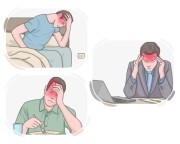
(of an illness) difficult to cure and long-lasting
cronic, persistent
Astmul cronic al Mariei necesită medicație zilnică pentru a controla simptomele.
related to or characterized by the presence of cancer, a disease caused by the uncontrolled growth and spread of abnormal cells
canceros, cancerigen
Medicul a descoperit o tumoare canceroasă în timpul examinării de rutină a pacientului.
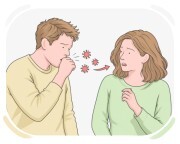
(of a disease) transmittable from one person to another through close contact
contagios
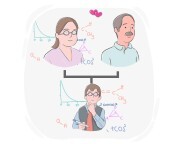
(of a disease or characteristic) able to be passed on to a child through the genes of its parents
ereditar, transmisibil genetic
Trăsăturile ereditare, cum ar fi culoarea ochilor, sunt transmise de la părinți la copiii lor.
having a disease since birth that is not necessarily hereditary
congenital, înnăscut
Starea congenitală a Mariei a făcut ca ea să se nască cu un deget în plus la fiecare mână.
(of a body part or wound) infected by harmful bacteria
septic, infectat
Medicul a tratat rana septică a pacientului cu antibiotice.
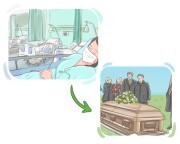
of an illness or disease, incurable and expected to lead to death
terminal
relating to or caused by an illness or disease
patologic, morbid
Medicul a observat modificări patologice în organele pacientului din cauza progresiei bolii.
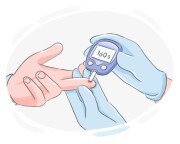
having a health condition marked by an impaired ability to regulate blood sugar levels
diabetic
Asistenta medicală a oferit pacienților diabetici îndrumări privind administrarea insulinei și testarea glicemiei.
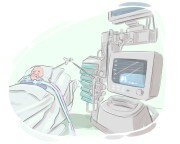
being in a state of coma or relating to coma
comatos, în comă
Pacientul a rămas în comă timp de câteva săptămâni după accident.
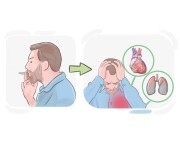
to make a problem, situation, or condition worse or more serious
agrava, înrautati
Ploile torențiale au agravat inundațiile din zonă.
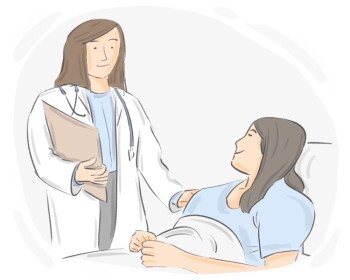
to recover from a disease or injury
a se recupera, a se reface
După operație, a rămas în spital câteva zile pentru a se recupera înainte de a se întoarce acasă.
a period during which a patient's condition improves and the symptoms seem less severe
remisiune
După mai multe runde de chimioterapie, cancerul a intrat în remisie, iar pacientul a început să-și recapete puterea și energia.
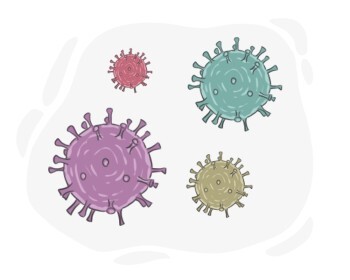
any organism that can cause diseases
patogen, agent patogen
Testele de laborator au confirmat prezența unui patogen bacterian responsabil de intoxicația alimentară severă a pacientului.
a physical condition in which a part of the body becomes swollen, painful, and red as a result of an infection or injury
inflamație
to suffer or experience an injury, damage, loss, or other harmful effect
suferi
to die as a result of a disease or injury
succumba, a muri din cauza
El a sucumbat rănilor după accidentul de mașină.
