Advanced Vocabulary for TOEFL - Physical Conditions and Injuries

Here you will learn some English words about physical conditions and injuries, such as "sore", "seizure", "ulcer", etc. that are needed for the TOEFL exam.

review-disable

review

flashcard-disable

flashcard

spelling-disable

spelling

quiz-disable

quiz

start-learning
Advanced Vocabulary for TOEFL

‌an unusual feature in someone's body or behavior that may be harmful, caused by duplication or deletion of a single gene
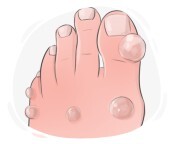
blister [noun]

a swollen area on the skin filled with liquid, caused by constant rubbing or by burning
Ex: Common causes of blisters include wearing ill-fitting shoes , repetitive friction from tools or sports equipment , or exposure to heat .
sore [noun]

a painful spot on the skin, which is usually red or infectious

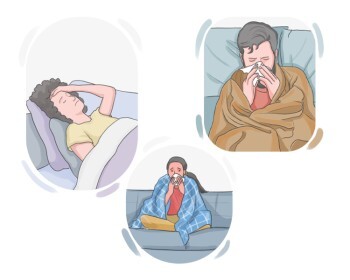
malady [noun]

any physical problem that might put one's health in danger
Ex: The doctor diagnosed her with a mysterious malady that caused chronic fatigue and muscle weakness .

a feeling of pain or discomfort in a part of the body that is swollen or sensitive, often caused by allergens, chemicals, or injuries
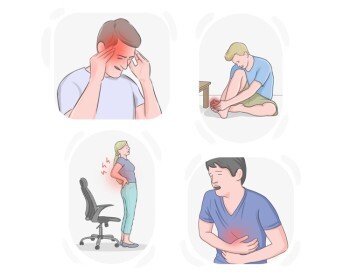
a state of pain or suffering due to a physical or mental condition

Ex: Chronic back pain was his most debilitating affliction , affecting his ability to work and enjoy daily activities .
episode [noun]

a period of time it takes one to go through a disease

ailment [noun]

an illness, often a minor one

Ex: The elderly often suffer from various age-related ailments such as arthritis .

a momentary loss of consciousness provoked by a hard blow on the head
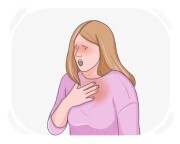
Ex: The patient presented with symptoms of a concussion , including dizziness , confusion , and sensitivity to light , after a car accident .
spasm [noun]

a sudden, uncontrollable tightening or contraction of a muscle

seizure [noun]

a sudden and unexpected start or return of a medical problem

Ex: Witnessing her friend 's seizure was terrifying , but she knew what to do and called for help immediately .
rupture [noun]

a severe injury that causes an internal organ or soft tissue to break or tear suddenly

Ex: Severe coughing fits can lead to a lung rupture , resulting in difficulty breathing .
malaise [noun]

a feeling of being physically ill and irritated without knowing the reason

Ex: She felt a general sense of malaise , with fatigue and a lack of energy persisting for several days .
trauma [noun]

damage inflicted on the body as a result of an external force or event

Ex: Victims of domestic violence often suffer from both physical and emotional trauma .

a complete or partial loss of the ability to move and feel different parts of one's body, mainly caused by disease or an injury to the nerves

cramp [noun]

a sudden painful contraction in a muscle due to fatigue

Ex: She massaged her foot to relieve the cramp .

the unexpected or spontaneous expulsion of a fetus from the uterus before it is mature enough to survive independently

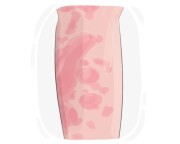
ulcer [noun]

a lesion or sore on the skin that might bleed or even produce a poisonous substance

Ex: The open ulcer on his leg required regular cleaning and dressing to prevent infection and promote healing .
cyst [noun]

a growth with abnormal features that appears in the body and contains fluid

a medical condition in which one has difficulty emptying one's bowels

diarrhea [noun]

a medical condition in which body waste turns to liquid and comes out frequently

Ex: Chronic diarrhea may indicate underlying conditions such as irritable bowel syndrome ( IBS ) or inflammatory bowel disease ( IBD ) .
benign [adjective]

(of an ilness) not fatal or harmful

Ex: Despite experiencing symptoms , the tests revealed that his condition was benign and temporary .
malignant [adjective]

(of a tumor or disease) uncontrollable and likely to be fatal

Ex: The oncologist recommended a combination of chemotherapy and radiation to combat the malignant disease .
chronic [adjective]

(of an illness) difficult to cure and long-lasting

Ex: Tom 's chronic arthritis makes it challenging for him to move around comfortably .
cancerous [adjective]

related to or characterized by the presence of cancer, a disease caused by the uncontrolled growth and spread of abnormal cells
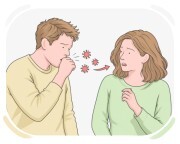
Ex: Early detection of cancerous lesions can significantly improve treatment outcomes .
contagious [adjective]

(of a disease) transmittable from one person to another through close contact

Ex:
hereditary [adjective]

(of a disease or characteristic) able to be passed on to a child through the genes of its parents

Ex: They were aware of the hereditary risk of diabetes in their family .
congenital [adjective]

having a disease since birth that is not necessarily hereditary

Ex:
septic [adjective]

(of a body part or wound) infected by harmful bacteria
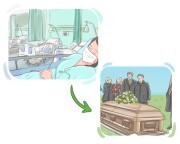
Ex: A septic finger can cause significant health issues if not treated promptly .
terminal [adjective]

(of an illness) having no cure and gradually leading to death

Ex: Tim 's father was in the final stages of his terminal illness , and the family gathered to say their goodbyes .
pathological [adjective]

relating to or caused by an illness or disease
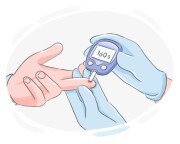
Ex: The medical team conducted a pathological study of the patient 's blood to diagnose the infection .
diabetic [adjective]

having a health condition marked by an impaired ability to regulate blood sugar levels
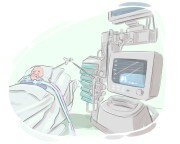
Ex: Diabetic individuals need to monitor their blood sugar levels regularly to manage their condition effectively .
comatose [adjective]

being in a state of coma or relating to coma
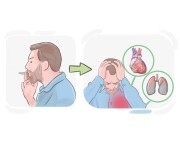
Ex:

to make a problem, situation, or condition worse or more serious
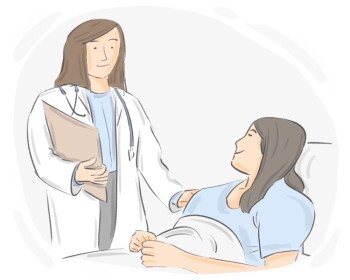
Ex: Skipping physical therapy sessions may aggravate a recovering injury .

to recover from a disease or injury

Ex: It took him several weeks to recuperate fully from the flu and regain his strength .

a period during which a patient's condition improves and the symptoms seem less severe
Ex: During remission , it 's crucial for patients to continue regular check-ups to monitor for any signs of the condition returning .
pathogen [noun]

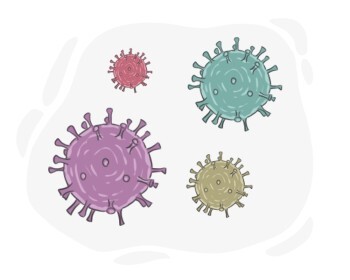
any organism that can cause diseases

Ex: The researchers identified a new viral pathogen that was causing the outbreak of respiratory illness in the community .

a physical condition in which a part of the body becomes swollen, painful, and red as a result of an infection or injury

to suffer or undergo something irritating, especially an injury, disease, etc.

Ex: The soldiers sustained heavy losses during the battle .

to die as a result of a disease or injury

Ex: Despite the best efforts of the medical team , he succumbed to the virus .