Словарный запас для IELTS General (Оценка 6-7) - Общество
Здесь вы выучите некоторые английские слова, связанные с обществом, которые необходимы для экзамена IELTS General Training.
Обзор
Флэш-карточки
Правописание
Тест

a social system or practice that keeps minority groups separate from the majority, often through separate facilities or services

сегрегация
Сегрегация в школах была распространена на юге Соединённых Штатов.
the practice of treating a person or different categories of people less fairly than others
дискриминация
Компания столкнулась с судебным иском за дискриминацию в отношении сотрудниц.
an unreasonable opinion or judgment based on dislike felt for a person, group, etc., particularly because of their race, sex, etc.
предубеждение
Его замечания выявили глубоко укоренившуюся предвзятость против иммигрантов.
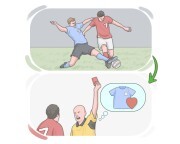
a prejudice that prevents fair consideration of a situation
предубеждение
Предвзятость в практике найма может ограничить разнообразие внутри компании.
a situation in which people or groups are not treated equally or fairly
неравенство
Неравенство существует во многих частях мира.
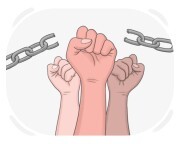
the fundamental change of power, government, etc. in a country by people, particularly involving violence
революция
Революция привела к свержению монархии и установлению республики.
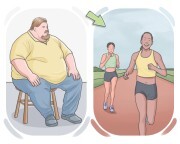
the ability to move easily or be freely moved from one place, job, etc. to another
мобильность
Мобильность в рабочей силе позволяет сотрудникам находить новые возможности для трудоустройства в различных отраслях.
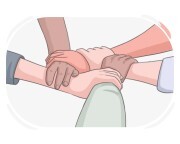
the support given by the members of a group to each other because of sharing the same opinions, feelings, goals, etc.
солидарность
Работники стояли вместе в солидарности, требуя справедливой заработной платы и лучших условий труда.

a financial aid provided by the government for people who are sick, unemployed, etc.
социальное обеспечение
Правительство увеличило пособия по социальному обеспечению, чтобы поддержать семьи во время экономического спада.
the fundamental values and beliefs that influence and guide the behavior and attitudes of a person, group, or organization
этос
Этос компании подчеркивает инновации и устойчивость.
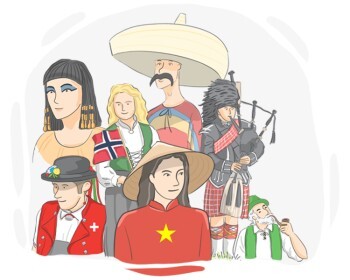
the state of belonging to a certain ethnic group
этничность, нация
В переписном листе респондентов просили указать их этническую принадлежность.
the statistical characteristics of a population, such as age, gender, and ethnicity
демографическая группа
Новая маркетинговая стратегия направлена на охват более молодой демографической группы.
a small group of people in a society who enjoy a lot of advantages because of their economic, intellectual, etc. superiority
элита
Элита собралась в эксклюзивном клубе на свое ежегодное собрание.
the class of people who do physical labor as a job, especially in factories or industries
пролетариат
По мере того, как автоматизация продолжает развиваться, возникают опасения по поводу влияния на средства к существованию пролетариата, поскольку рабочие места становятся все более редкими.
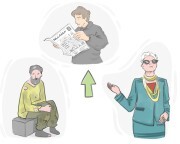
the society's middle class
буржуазия
Буржуазия в XIX веке сыграла значительную роль в формировании экономических и социальных структур.
the act of adhering to established norms, protocols, and standardized behaviors within a social system or institution
соответствие
Компания ценит соответствие своему строгому дресс-коду.

people in the highest class of society who have a lot of power and wealth and usually high ranks and titles
аристократия
На мероприятии присутствовали члены аристократии в элегантной одежде.
an individual who actively participates in and contributes to the civic and social affairs of their community or nation
активный гражданин, гражданин
the social process by which an individual or group is pushed to the edges of society, limiting their access to resources and influence
маргинализация
Активисты протестовали против маргинализации коренных народов.
the group of people born during the 1960s and 1970s
Поколение X, Поколение Икс
Многие представители поколения X выросли до появления интернета.
the group of people born in the 1980s and early 1990s
Поколение Y, Миллениалы
Многие в поколении Y ежедневно используют цифровые технологии.
the group of people born in the late 1990s and early 2010s
Поколение Z, Поколение Z
Многие из поколения Z используют смартфоны с раннего возраста.
a scientist who studies human beings, especially their societies, cultures, languages, and physical development, both past and present
антрополог
Антрополог провёл годы, живя среди племени, чтобы понять их обычаи.
the feeling of being happy or comfortable in a specific situation or group
принадлежность
Поиск чувства принадлежности в новом городе может занять время, но участие в местных клубах и группах помогает налаживать связи.
the social class between the upper and lower classes that includes professional and business people
средний класс
Многие семьи среднего класса владеют своими домами.
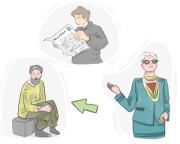
the social class consisting of people with the lowest position in society and the least money
низший класс
Многие семьи из низшего класса сталкиваются с финансовыми трудностями.
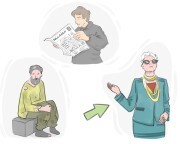
a social group made up of people who hold the highest social position and are usually quite wealthy
высший класс
Образ жизни высшего класса отличается от других социальных групп.

a social class that consists of people with low incomes who do manual or industrial work
рабочий класс
Рабочий класс боролся за лучшую заработную плату.