pattern

Slovní zásoba pro IELTS General (Skóre 6-7) - Society

Zde se naučíte některá anglická slova související se Společností, která jsou nezbytná pro zkoušku IELTS General Training.

Revize

Kartičky

tvary

Pravopis

Kvíz

Začněte se učit
Vocabulary for General Training IELTS (6-7)
segregation
segregation
[Podstatné jméno]

a social system or practice that keeps minority groups separate from the majority, often through separate facilities or services

segregace, apartheid

segregace, apartheid

Ex: Segregation in workplaces limited career advancement for minorities .

Segregace na pracovištích omezovala kariérní postup menšin.

discrimination
discrimination
[Podstatné jméno]

the practice of treating a person or different categories of people less fairly than others

diskriminace, segregace

diskriminace, segregace

Ex: She spoke out against discrimination after witnessing unfair treatment of her colleagues .

Vystoupila proti diskriminaci poté, co byla svědkem nespravedlivého zacházení se svými kolegy.

prejudice
prejudice
[Podstatné jméno]

an unreasonable opinion or judgment based on dislike felt for a person, group, etc., particularly because of their race, sex, etc.

předsudek, straničnost

předsudek, straničnost

Ex: The novel explores themes of prejudice and social inequality .

Román zkoumá témata předsudků a sociální nerovnosti.

bias
bias
[Podstatné jméno]

a prejudice that prevents fair consideration of a situation

předsudek, straničnost

předsudek, straničnost

Ex: Bias in hiring practices can limit diversity within a company.

Předpojatost v náborových praktikách může omezit rozmanitost ve společnosti.

inequality
inequality
[Podstatné jméno]

a situation in which people or groups are not treated equally or fairly

nerovnost, nespravedlnost

nerovnost, nespravedlnost

Ex: Governments implement policies to reduce social and economic inequality.

Vlády zavádějí politiky ke snížení sociální a ekonomické nerovnosti.

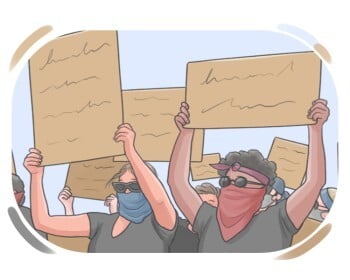
revolution
revolution
[Podstatné jméno]

the fundamental change of power, government, etc. in a country by people, particularly involving violence

revoluce
revoluce

Ex: The revolution resulted in significant political and social reforms across the nation .

Revoluce vedla k významným politickým a sociálním reformám po celé zemi.

mobility
mobility
[Podstatné jméno]

the ability to move easily or be freely moved from one place, job, etc. to another

mobilita, schopnost pohybu

mobilita, schopnost pohybu

Ex: The region 's economic growth is partially due to the mobility of its labor force .

Ekonomický růst regionu je částečně způsoben mobilitou jeho pracovní síly.

solidarity
solidarity
[Podstatné jméno]

the support given by the members of a group to each other because of sharing the same opinions, feelings, goals, etc.

solidarita

solidarita

Ex: The team members expressed solidarity with their captain , supporting her decision to retire .

Členové týmu vyjádřili solidaritu se svou kapitánkou a podpořili její rozhodnutí odejít do důchodu.

welfare
welfare
[Podstatné jméno]

a financial aid provided by the government for people who are sick, unemployed, etc.

sociální dávky, blahobyt

sociální dávky, blahobyt

Ex: He applied for welfare after his injury prevented him from working .

Požádal o sociální dávky poté, co mu zranění zabránilo v práci.

ethos
ethos
[Podstatné jméno]

the fundamental values and beliefs that influence and guide the behavior and attitudes of a person, group, or organization

etos, základní hodnoty

etos, základní hodnoty

Ex: The artist ’s work embodies the ethos of cultural expression and freedom .

Umělcovo dílo ztělesňuje etos kulturního vyjádření a svobody.
ethnicity
ethnicity
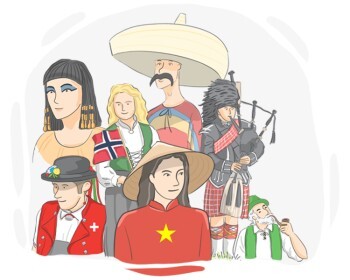
[Podstatné jméno]

the state of belonging to a certain ethnic group

etnicita

etnicita

Ex: The festival showcases music , food , and art from various ethnicities around the world .

Festival představuje hudbu, jídlo a umění různých etnik z celého světa.
demographic
demographic
[Podstatné jméno]

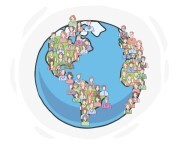
the statistical characteristics of a population, such as age, gender, and ethnicity

demografický, demografické charakteristiky

demografický, demografické charakteristiky

Ex: Companies often tailor their products to appeal to a specific demographic.

Společnosti často přizpůsobují své produkty, aby oslovily konkrétní demografickou skupinu.

elite
elite
[Podstatné jméno]

a small group of people in a society who enjoy a lot of advantages because of their economic, intellectual, etc. superiority

elita

elita

Ex: He aspired to join the intellectual elite of the academic world .

Toužil připojit se k intelektuální elitě akademického světa.

proletariat
proletariat
[Podstatné jméno]

the class of people who do physical labor as a job, especially in factories or industries

proletariát, dělnická třída

proletariát, dělnická třída

Ex: As automation continues to advance , there are concerns about the impact on the livelihoods of the proletariat, as jobs become increasingly scarce .

Jak automatizace stále pokračuje, existují obavy o dopad na živobytí proletariátu, protože pracovní místa jsou stále vzácnější.

bourgeoisie
bourgeoisie
[Podstatné jméno]

the society's middle class

buržoazie

buržoazie

Ex: The revolutionaries aimed to overthrow the bourgeoisie and establish a more equitable society .

Revolucionáři chtěli svrhnout buržoazii a vytvořit spravedlivější společnost.

conformity
conformity
[Podstatné jméno]

the act of adhering to established norms, protocols, and standardized behaviors within a social system or institution

shoda, dodržování norem

shoda, dodržování norem

Ex: The new regulation enforced conformity across all departments .

Nová regulace vynutila shodu ve všech odděleních.

aristocracy
aristocracy
[Podstatné jméno]

people in the highest class of society who have a lot of power and wealth and usually high ranks and titles

aristokracie, šlechta

aristokracie, šlechta

Ex: The aristocracy opposed many social reforms that threatened their privileges .

Aristokracie se postavila proti mnoha sociálním reformám, které ohrožovaly její privilegia.

active citizen
active citizen
[Podstatné jméno]

an individual who actively participates in and contributes to the civic and social affairs of their community or nation

aktivní občan, angažovaný občan

aktivní občan, angažovaný občan

marginalization
marginalization
[Podstatné jméno]

the social process by which an individual or group is pushed to the edges of society, limiting their access to resources and influence

marginalizace, sociální vyloučení

marginalizace, sociální vyloučení

Ex: Activists protested against the marginalization of indigenous peoples .

Aktivisté protestovali proti marginalizaci domorodých národů.

Generation X
Generation X
[Podstatné jméno]

the group of people born during the 1960s and 1970s

Generace X, Generace X

Generace X, Generace X

Ex: Generation X is often described as independent and adaptable .

Generace X je často popisována jako nezávislá a přizpůsobivá.

Generation Y
Generation Y
[Podstatné jméno]

the group of people born in the 1980s and early 1990s

Generace Y, Millennials

Generace Y, Millennials

Ex: Generation Y is sometimes called the millennial generation.

Generace Y je někdy nazývána mileniální generací.

Generation Z
Generation Z
[Podstatné jméno]

the group of people born in the late 1990s and early 2010s

Generace Z, Generace Z

Generace Z, Generace Z

Ex: Researchers study how Generation Z differs from earlier generations .

Vědci studují, jak se Generace Z liší od předchozích generací.

anthropologist
anthropologist
[Podstatné jméno]

a scientist who studies human beings, especially their societies, cultures, languages, and physical development, both past and present

antropolog, etnolog

antropolog, etnolog

Ex: Anthropologists often use fieldwork to gather firsthand data .

Antropologové často využívají terénní práci ke sběru dat z první ruky.

belonging
belonging
[Podstatné jméno]

the feeling of being happy or comfortable in a specific situation or group

příslušnost, pocit sounáležitosti

příslušnost, pocit sounáležitosti

Ex: Volunteering at the animal shelter provided her with a sense of belonging and fulfillment as she connected with like-minded individuals.

Dobrovolnictví v útulku pro zvířata jí poskytlo pocit sounáležitosti a naplnění, když se spojila s podobně smýšlejícími lidmi.

middle class
middle class
[Podstatné jméno]

the social class between the upper and lower classes that includes professional and business people

střední třída, buržoazie

střední třída, buržoazie

Ex: Middle-class children usually have access to schooling and healthcare.

Děti střední třídy obvykle mají přístup ke vzdělání a zdravotní péči.
lower class
lower class
[Podstatné jméno]

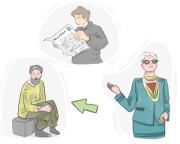
the social class consisting of people with the lowest position in society and the least money

nižší třída, dolní třída

nižší třída, dolní třída

Ex: Health services are often less available to the lower class.

Zdravotnické služby jsou často méně dostupné pro nižší třídu.
upper class
upper class
[Podstatné jméno]

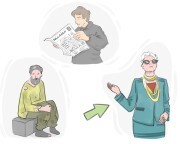
a social group made up of people who hold the highest social position and are usually quite wealthy

vyšší třída, vyšší společnost

vyšší třída, vyšší společnost

Ex: The lifestyle of the upper class is different from other social groups .

Životní styl vyšší třídy se liší od ostatních sociálních skupin.

working class
working class
[Podstatné jméno]

a social class that consists of people with low incomes who do manual or industrial work

dělnická třída, proletariát

dělnická třída, proletariát

Ex: Politicians often address the concerns of the working class.

Politici se často zabývají obavami dělnické třídy.

protest
protest
[Podstatné jméno]

an organized public demonstration expressing strong disapproval of an official policy or action

protest

protest

Ex: The community held a peaceful protest to express their concerns about the development plans .

Komunita uspořádala pokojnou demonstraci, aby vyjádřila své obavy ohledně rozvojových plánů.

LanGeek
Stáhnout aplikaci LanGeek