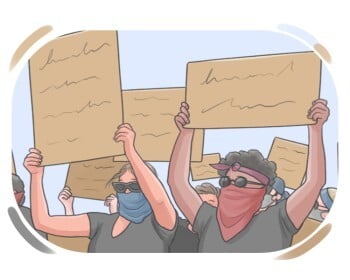
pattern

Vocabulary for IELTS General Training (Band 6-7) - Society

Here, you will learn some English words related to Society that are necessary for the General Training IELTS exam.

Review

Flashcards

Forms

Spelling

Quiz

Start learning
Vocabulary for General Training IELTS (6-7)
segregation

a social system or practice that keeps minority groups separate from the majority, often through separate facilities or services

Ex: Segregation in schools was common in the southern United States. 
Close
Sign in
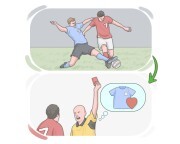
discrimination

the practice of treating a person or different categories of people less fairly than others

Ex: The company faced a lawsuit for discrimination against female employees. 
Close
Sign in
prejudice
prejudice
[noun]

an unreasonable opinion or judgment based on dislike felt for a person, group, etc., particularly because of their race, sex, etc.

Ex: His remarks revealed a deep-seated prejudice against immigrants. 
Close
Sign in
bias
bias
[noun]

a prejudice that prevents fair consideration of a situation

Ex: The judge showed bias and didn't treat both sides fairly. 
Close
Sign in
inequality

a situation in which people or groups are not treated equally or fairly

Ex: Inequality exists in many parts of the world. 
Close
Sign in
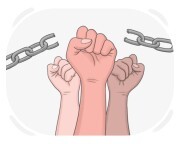
revolution

the fundamental change of power, government, etc. in a country by people, particularly involving violence
Ex: The revolution led to the overthrow of the monarchy and the establishment of a republic. 
Close
Sign in
mobility
mobility
[noun]

the ability to move easily or be freely moved from one place, job, etc. to another

Ex: Mobility in the workforce allows employees to find new job opportunities across industries. 
Close
Sign in
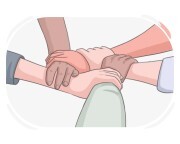
solidarity

the support given by the members of a group to each other because of sharing the same opinions, feelings, goals, etc.

Ex: The workers stood together in solidarity to demand fair wages and better working conditions. 
Close
Sign in
welfare
welfare
[noun]

a financial aid provided by the government for people who are sick, unemployed, etc.

Ex: The government increased welfare benefits to support families during the economic downturn. 
Close
Sign in
ethos
ethos
[noun]

the fundamental values and beliefs that influence and guide the behavior and attitudes of a person, group, or organization
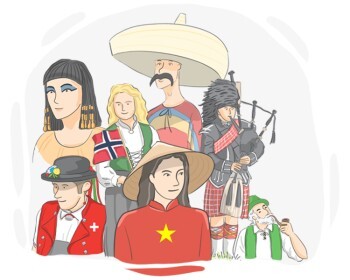
Ex: The company’s ethos emphasizes innovation and sustainability. 
Close
Sign in
ethnicity
ethnicity
[noun]

the state of belonging to a certain ethnic group
Ex: The census form asked respondents to indicate their ethnicity. 
Close
Sign in
demographic

the statistical characteristics of a population, such as age, gender, and ethnicity

Ex: The new marketing strategy aims to target a younger demographic. 
Close
Sign in
elite
elite
[noun]

a small group of people in a society who enjoy a lot of advantages because of their economic, intellectual, etc. superiority

Ex: The elite gathered at the exclusive club for their annual meeting. 
Close
Sign in
proletariat

the class of people who do physical labor as a job, especially in factories or industries
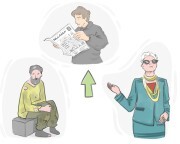
Ex: According to Marxist theory, the proletariat represents the working class who do not own the means of production. 
Close
Sign in
bourgeoisie

the society's middle class

Ex: The bourgeoisie in the 19th century played a significant role in shaping economic and social structures. 
Close
Sign in
conformity

the act of adhering to established norms, protocols, and standardized behaviors within a social system or institution

Ex: The company values conformity to its strict dress code. 
Close
Sign in
aristocracy

people in the highest class of society who have a lot of power and wealth and usually high ranks and titles

Ex: The event was attended by members of the aristocracy in elegant attire. 
Close
Sign in
active citizen

an individual who actively participates in and contributes to the civic and social affairs of their community or nation

Close
Sign in
marginalization

the social process by which an individual or group is pushed to the edges of society, limiting their access to resources and influence

Ex: Economic policies led to the marginalization of rural communities. 
Close
Sign in
Generation X

the group of people born during the 1960s and 1970s

Ex: Many members of Generation X grew up before the internet. 
Close
Sign in
Generation Y

the group of people born in the 1980s and early 1990s

Ex: Many in Generation Y use digital technology daily. 
Close
Sign in
Generation Z

the group of people born in the late 1990s and early 2010s

Ex: Many in Generation Z use smartphones from a young age. 
Close
Sign in
anthropologist

a scientist who studies human beings, especially their societies, cultures, languages, and physical development, both past and present

Ex: The anthropologist spent years living among the tribe to understand their customs. 
Close
Sign in
belonging
belonging
[noun]

the feeling of being happy or comfortable in a specific situation or group

Ex: Finding a sense of belonging in a new city can take time, but joining local clubs and groups helps build connections. 
Close
Sign in
middle class

the social class between the upper and lower classes that includes professional and business people
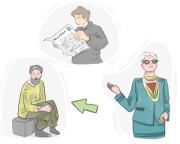
Ex: Many middle-class families own their homes. 
Close
Sign in
lower class

the social class consisting of people with the lowest position in society and the least money
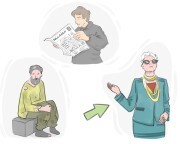
Ex: Many families in the lower class face financial difficulties. 
Close
Sign in
upper class

a social group made up of people who hold the highest social position and are usually quite wealthy
Ex: The upper class often owns large estates and businesses. 
Close
Sign in
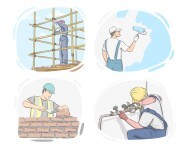
working class

a social class that consists of people with low incomes who do manual or industrial work

Ex: The working class fought for better wages. 
Close
Sign in
protest
protest
[noun]

an organized public demonstration expressing strong disapproval of an official policy or action

Ex: Thousands of people gathered for a protest against the new government policy. 
Close
Sign in
LanGeek
Download LanGeek app