登录
登录金钱与价格 初学者
什么是金钱和价格?
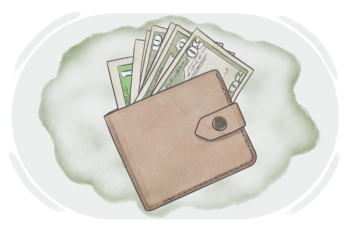
金钱 是用于购买商品和服务的一种货币形式。价格 是购买商品或服务所需的金额。在本课中,你将学习如何用英语询问和讨论价格。
如何询问金钱和价格
在询问价格时,可以使用如下问题:“How much is this/that...?” 或 “How much are these/those...?” 回答时可以用 “It’s/They’re...” 来回答。例如:
- 'How much is the book?' + 'It’s 10 dollars. '
- 这本书多少钱? + 10美元。
- 'How much are these pens?' + 'They’re 50 dollars. '
- 这些笔多少钱? + 50美元。
如何读价格
可以用不同的结构来读出物品的价格,以下是最常见的几种方式:
$4.60 → four-sixty
4.60 美元 → 四点六十
直接读出数字。
$4.60 → four dollars sixty
4.60 美元 → 四美元六十
可以读成数字 + dollars,后面的小数部分直接读出。
$4.60 → four dollars and sixty cents
4.60 美元 → 四美元六十美分
可以读成数字 + dollars + “and” + 小数部分 + cents。
注意力!
当价格是整数时,可以直接读出数字 + dollars/pounds/euros等。
$200 → two hundred dollars
200美元。
$80 → eighty dollars
80美元。
注意力!
美元符号($)写在数字之前,且符号与数字之间不留空格。
Quiz:
Which question is correct to ask about the price of multiple items?
What’s the size of this?
Is this available?
How much is this?
How much are these?
How would you read the price $3.25?
Three and twenty-five dollars.
Three dollars and twenty-five cents.
Twenty-five dollars and three cents.
All of the above
Sort the words to form a question and answer about price.
Fill in the blanks to complete the story.
Tom was walking through the market when he saw a beautiful painting. He asked the artist, "How much
the painting?"
The artist smiled and said, "
75 dollars."
Tom thought about it for a moment and then asked, "How much
these sculptures?"
"
150 dollars," replied the artist.
Finally, Tom saw a rare coin with a price tag of $300.90 attached to it. Tom said, "Wow, that’s three hundred
and ninety
." He was impressed by the price and wondered if he could afford it.
Fill in the table with the correct price or the correct way to read it.
| the price | the reading |
|---|---|
one hundred fifty dollars | |
$200 | |
seven dollars and fifty cents | |
ten dollars eighty-five |
评论
(0)