
Verbs of Power Relations - Verbs for Exercising Power
Here you will learn some English verbs referring to exercising power such as "control", "rule", and "enslave".
Review
Flashcards
Forms
Spelling
Quiz


to have power over a person, company, country, etc. and to decide how things should be done

to control and be in charge of a country
to have control and authority over a place, like a country
to officially have the control and authority to rule over a country and manage its affairs

to act with excessive, unfair authority or harshness

to place a crown on someone's head in a ceremony so that person officially becomes a king or queen

to force someone to do what they do not want
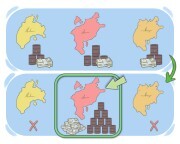
to have the power to completely or partially control someone or something

to make individuals to behave in a particular way
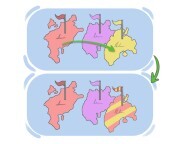
to establish control over an area or people, often by settling and exploiting it

to invade or overwhelm with a large number, surpassing defenses

to begin to be in charge of something, often previously managed by someone else
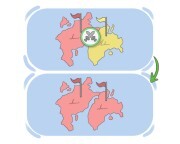
to gain control of a place or people using armed forces
to gain control and governance over a person, group, or territory, often through conquest or forceful means

to force someone into a condition of forced labor or work

to wrongly take someone else's position, power, or right

to forcefully stop or crush something
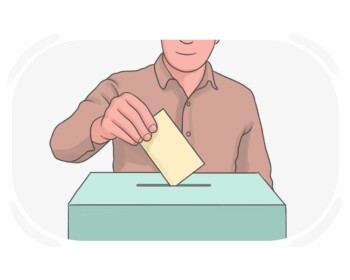
to show which candidate one wants to win in an election or which plan one supports, by marking a piece of paper, raising one's hand, etc.

to choose a person for a specific job, particularly a political one, by voting
to formally vote or make a choice, especially in elections, by marking a paper

to ask people specific questions to gather their opinions or preferences on a particular subject

to assign or designate someone to a particular position or responsibility
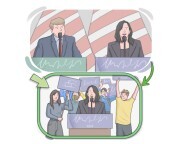
to promote or advertise something, typically in a sustained and organized way
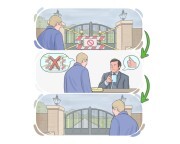
to make an attempt to persuade politicians to agree or disagree with a law being made or changed

to passionately campaign or fight, often with a religious or moral purpose
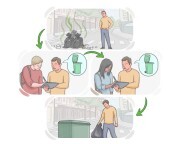
to write and submit an official written document

to make a system more open and fair, giving everyone a chance and involving more people
| Verbs of Power Relations | |||
|---|---|---|---|
| Verbs for Confinement and Liberation | Verbs for Restriction | Verbs for Deprivation | Verbs for Exercising Power |
| Verbs for Reacting to Power | Verbs for Management | Verbs for Forgiveness and Disregard | |
