pattern

ACT Math and Assessment - Change

Learn ACT vocabulary for change, including growth, decline, transformation, adjustment, variation, development, and shifts in condition, amount, or form.

Review

Flashcards

Forms

Spelling

Quiz
Start learning
ACT Vocabulary for Math and Assessment
to alter
to alter
[Verb]

to cause something to change

Ex: New technologies can greatly alter the way we live and communicate. 
Close
Sign in
to transform

to change the form, appearance, character, or nature of someone or something significantly
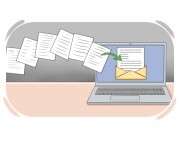
Ex: The renovation transformed the old warehouse into modern apartments. 
Close
Sign in
to convert

to change the form, purpose, character, etc. of something
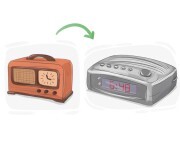
Ex: She decided to convert the spare room into a home office for remote work. 
Close
Sign in
to evolve
to evolve
[Verb]

to develop or change gradually over time into a different form
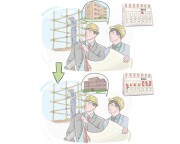
Ex: The small workshop evolved into a successful international company. 
Close
Sign in
to adapt
to adapt
[Verb]

to change something so that it is suitable for a different purpose, situation, or need
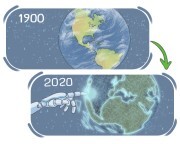
Ex: The company adapted its software for mobile devices. 
Close
Sign in
to revolutionize

to change something in a significant or fundamental way
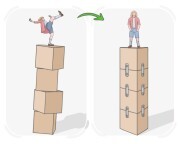
Ex: The invention of the internet revolutionized the way people communicate and access information. 
Close
Sign in
to stabilize

to make something steady and prevent it from fluctuating

Ex: Central banks implement policies to stabilize the economy and control inflation. 
Close
Sign in
to distort

to change the shape or condition of something in a way that is no longer clear or natural

Ex: Twisting the metal frame will distort its structure and weaken its integrity. 
Close
Sign in
to redress

to do something in order to make up for a wrongdoing or to make things right
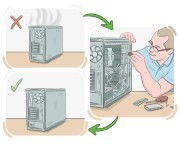
Ex: The company promised to redress the mistakes made in the product delivery. 
Close
Sign in
to remedy
to remedy
[Verb]

to correct or improve a problem, fault, or undesirable situation
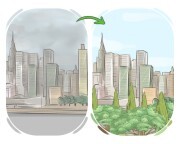
Ex: The company took immediate action to remedy the problem. 
Close
Sign in
to mitigate

to lessen something's seriousness, severity, or painfulness

Ex: Planting more trees can mitigate the impact of climate change. 
Close
Sign in
to refine
to refine
[Verb]

to make something less intense, forceful, or vigorous

Ex: The medication helped refine the pain, making it more bearable. 
Close
Sign in
to fine-tune

to make very precise adjustments, usually small ones, to improve or perfect something

Ex: The musician spent hours fine-tuning the melody to achieve the desired sound. 
Close
Sign in
to oscillate

to move back and forth in a regular rhythm between two or more states, positions, or opinions

Ex: Political views may oscillate from liberal to conservative as people experience different life stages. 
Close
Sign in
to defuse
to defuse
[Verb]

to make a situation less tense or dangerous by calming emotions or reducing the likelihood of conflict or violence
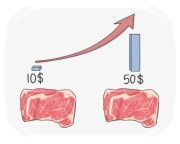
Ex: The negotiator defuses the tense situation by speaking calmly and offering compromises. 
Close
Sign in
to skyrocket

to increase rapidly and dramatically, often referring to prices, numbers, or success

Ex: The demand for the new product skyrockets as soon as it hits the market. 
Close
Sign in
to escalate

to become much worse or more intense

Ex: Misunderstandings can quickly escalate if not addressed early. 
Close
Sign in
to curtail

to place limits or boundaries on something to reduce its scope or size

Ex: Rising costs have led many companies to curtail benefits and perks for employees in recent years. 
Close
Sign in
to render
to render
[Verb]

to cause someone or something to be or become a particular state or condition
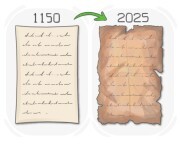
Ex: The accident rendered the car unusable. 
Close
Sign in
to disintegrate

to break or lose structure and unity over time
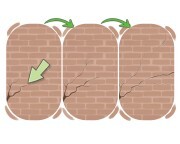
Ex: Over time, the old paper began to disintegrate, turning into fragile fragments. 
Close
Sign in
to deteriorate

to decline in quality, condition, or overall state
Ex: If left untreated, metal exposed to harsh weather can deteriorate over time. 
Close
Sign in
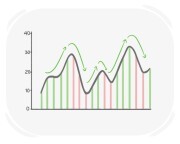
to fluctuate

to vary or waver between two or more states or amounts

Ex: The economy fluctuates, affecting businesses and individuals alike. 
Close
Sign in
to transition

to cause something to change or move from one state, condition, system, or position to another

Ex: The company transitioned its records to a digital platform. 
Close
Sign in
enlargement

the action of making something bigger in size, quantity, or scope

Close
Sign in
upheaval
upheaval
[noun]

a sudden and significant change or disruption, especially in relation to politics or social conditions

Ex: Many migrants move to other countries to escape the upheaval in their homeland. 
Close
Sign in
surge
surge
[noun]

a sudden large increase in amount, level, intensity, or activity

Ex: The city experienced a surge in tourism that summer. 
Close
Sign in
abrupt
abrupt
[Adjective]

describing something that happens suddenly, often with sharp or noticeable changes
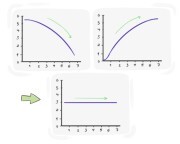
Ex: Her abrupt departure from the meeting surprised everyone. 
Close
Sign in
constant
constant
[Adjective]

remaining unchanged and stable in degree, amount, or condition

Ex: The air conditioner maintained a constant temperature throughout the night. 
Close
Sign in
volatile
volatile
[Adjective]

prone to unexpected and sudden changes, usually gets worse or dangerous

Ex: The political situation in the region is highly volatile. 
Close
Sign in
dynamic
dynamic
[Adjective]

characterized by continuous and often rapid change or progress

Ex: The technology industry is highly dynamic, with new innovations and updates emerging almost daily. 
Close
Sign in
LanGeek
Download LanGeek app