
pattern

ACT Math and Assessment - Status

Here you will learn some English words related to status, such as "suspend", "derelict", "idyllic", etc. that will help you ace your ACTs.

Review

Flashcards

Forms

Spelling

Quiz

Start learning
ACT Vocabulary for Math and Assessment
operative
operative
[Adjective]

currently effective or actively exerting influence

Ex: The new regulations will be operative starting next year. 
Close
Sign in
defunct
defunct
[Adjective]

no longer in use, operation, or existence

Ex: The defunct airline, once a symbol of air travel luxury, succumbed to financial pressures and ceased operations. 
Close
Sign in
predetermined
predetermined
[Adjective]

decided or arranged beforehand

Ex: The team followed a predetermined strategy to achieve their goals. 
Close
Sign in
interdependent
interdependent
[Adjective]

depending on each other and mutually reliant

Ex: The interdependent parts of the ecosystem rely on each other for survival. 
Close
Sign in
undisturbed
undisturbed
[Adjective]

left alone without interference or interruption

Ex: The wildlife sanctuary provided a habitat where animals could live undisturbed. 
Close
Sign in
intact
intact
[Adjective]

undamaged and complete

Ex: The ancient artifact was discovered buried in the ground, remarkably intact after centuries. 
Close
Sign in
dormant
dormant
[Adjective]

not in an active, developing, or operating state but can become so later on

Ex: The volcano remains dormant, but it could erupt at any time. 
Close
Sign in
idle
idle
[Adjective]

(of a machine, factory, or similar system) not operating or in active use

Ex: The factory has been idle since last month's power outage. 
Close
Sign in
idyllic
idyllic
[Adjective]

perfect or idealistic, often in a romantic or nostalgic sense

Ex: They spent an idyllic summer in the countryside. 
Close
Sign in
chaotic
chaotic
[Adjective]

having a state of complete disorder

Ex: The traffic in the city during rush hour is often chaotic, with cars moving in every direction and honking horns. 
Close
Sign in
full-fledged
full-fledged
[Adjective]

having achieved full status or maturity in a particular role or position

Ex: After completing his training, he became a full-fledged member of the team. 
Close
Sign in
awry
awry
[Adverb]

used to describe actions or events that are not going as expected or planned

Ex: The party plans went awry when it started raining. 
Close
Sign in
alight
alight
[Adjective]

burning with flames

Ex: The pile of dry leaves was quickly set alight. 
Close
Sign in
ablaze
ablaze
[Adjective]

brightly illuminated, especially by fire or flames

Ex: The forest was ablaze with the raging wildfire. 
Close
Sign in
tranquil
tranquil
[Adjective]

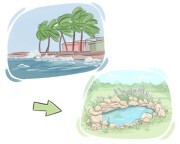
feeling calm and peaceful, without any disturbances or things that might be upsetting
Ex: The tranquil lake mirrored the clear blue sky, offering a perfect escape from the busy world. 
Close
Sign in
steady
steady
[Adjective]

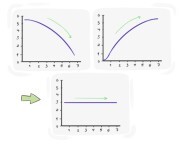
not subject to significant change or decline

Ex: The stock price has been steady this month. 
Close
Sign in
derelict
derelict
[Adjective]

having a poor condition, often because of being abandoned or neglected for a long time

Ex: The derelict house had broken windows and a collapsing roof. 
Close
Sign in
pitiable
pitiable
[Adjective]

making one feel sorry for someone or something that seems unworthy of respect or consideration

Close
Sign in
indivisible
indivisible
[Adjective]

unable to be divided or separated into parts

Ex: The concept of justice is often seen as indivisible from the concept of fairness. 
Close
Sign in
quiescent
quiescent
[Adjective]

not currently in motion, operation, or expression

Ex: The volcano remained quiescent, showing no signs of eruption. 
Close
Sign in
inseparable
inseparable
[Adjective]

not able to be separated or detached

Ex: For that community, culture and identity were inseparable dimensions of their existence. 
Close
Sign in
high profile

something or someone that attracts a lot of public attention or interest due to prominence, importance, or controversy

Ex: The celebrity's divorce became a high-profile event covered by the media. 
Close
Sign in
self-sufficient
self-sufficient
[Adjective]

capable of providing everything that one needs, particularly food, without any help from others
Ex: After years of practice, the farm became self-sufficient, growing enough food and resources to sustain itself year-round. 
Close
Sign in
stagnant
stagnant
[Adjective]

lacking movement or circulation

Ex: The stagnant water in the pond had a foul odor and attracted mosquitoes. 
Close
Sign in
sustainability

the capacity to be maintained for a long time and causing no harm to the environment
Ex: Sustainability in agriculture ensures soil health for future generations. 
Close
Sign in
stability
stability
[noun]

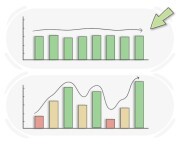
the quality of being fixed or steady and unlikely to change

Ex: Political stability is essential for attracting investment, fostering economic growth, and ensuring the well-being of citizens. 
Close
Sign in
backlog
backlog
[noun]

a collection of tasks, orders, or materials that have not been completed or processed, requiring attention

Ex: The company's backlog of customer orders grew due to delays in production. 
Close
Sign in
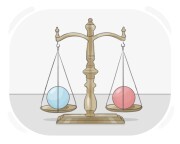
equilibrium

a balanced state between opposing influences or powers

Ex: The tightrope walker maintained perfect equilibrium as they carefully balanced along the narrow line. 
Close
Sign in
serenity
serenity
[noun]

a state of calm and peacefulness, free from stress, anxiety, or disturbance

Close
Sign in
disrepair
disrepair
[noun]

a damaged or broken state of a building or other structure, because it has not been taken care of

Close
Sign in
seclusion
seclusion
[noun]

the state of being isolated from other things or people, usually by choice

Close
Sign in
privacy
privacy
[noun]

a state in which other people cannot watch or interrupt a person

Close
Sign in
moratorium

an officially declared pause of a specific action or policy, often imposed by authorities to allow for review, safety, or negotiation

Ex: The government imposed a moratorium on offshore drilling after the oil spill. 
Close
Sign in
muddle
muddle
[noun]

a state of confusion or disorder characterized by a mixture of things that are not clearly organized or understood

Ex: The new employee faced a muddle of instructions on their first day. 
Close
Sign in
tangle
tangle
[noun]

a confused or complicated mass of things that are twisted or interwoven together

Ex: The company found itself in a legal tangle after breaching the contract with its partners. 
Close
Sign in
retention
retention
[noun]

the act of keeping something that one already has

Close
Sign in
circumstance

the conditions or factors that surround and influence a particular situation

Ex: Given the circumstances, they decided to cancel the outdoor event. 
Close
Sign in
to suffice

to be enough or adequate for a particular purpose or requirement

Ex: A simple explanation will suffice to clarify the misunderstanding. 
Close
Sign in
to remain
to remain
[Verb]

to stay in the same state or condition

Ex: Despite the challenges, he remained optimistic. 
Close
Sign in
to retain
to retain
[Verb]

to intentionally keep, maintain, or preserve something in its current state, resisting removal, elimination, or alteration

Ex: The small town decided to retain its annual summer festival as a cherished tradition. 
Close
Sign in
to preserve

to cause something to remain in its original state without any significant change

Ex: Historical artifacts are preserved in museums to maintain their original condition. 
Close
Sign in
to pertain

to be applicable, connected, or relevant to a particular subject, circumstance, or situation

Ex: In the context of the discussion, please only raise questions that pertain to the current agenda. 
Close
Sign in
to coexist

to exist together in the same location or period, without necessarily interacting
Ex: Dinosaurs and early mammals once coexisted during the Mesozoic era. 
Close
Sign in
to suspend

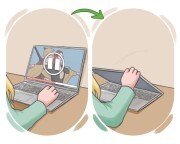
to temporarily put on hold a process or habit

Ex: The company decided to suspend production temporarily due to a supply chain issue. 
Close
Sign in
to declassify

to remove the classification or status of secrecy from information, making it accessible to the public
Ex: The government decided to declassify certain documents related to the historical event. 
Close
Sign in
to correspond

to match or be similar to something else

Ex: The data collected from the experiment closely corresponds to the predictions made by the scientific model. 
Close
Sign in
to correlate

to be closely connected or have mutual effects

Ex: The increase in exercise tends to correlate with improvements in overall health and well-being. 
Close
Sign in
inherently
inherently
[Adverb]

in a manner that refers to the natural and essential characteristics of a person, thing, or situation

Ex: Cats are inherently curious creatures, often exploring their surroundings with great interest. 
Close
Sign in
LanGeek
Download LanGeek app
