pattern

ACT Math and Assessment - Economics

Here you will learn some English words related to economics, such as "treasury", "commodity", "deposit", etc. that will help you ace your ACTs.

Review

Flashcards

Forms

Spelling

Quiz

Start learning
ACT Vocabulary for Math and Assessment
to compensate

to give something, particularly money, to make up for the difficulty, pain, damage, etc. that someone has suffered

Ex: Insurance companies often compensate policyholders for property damage or loss. 
Close
Sign in
to reimburse

to repay someone for expenses or losses they have experienced

Ex: If you provide the receipts, we'll be happy to reimburse you for the business-related expenses. 
Close
Sign in
to accrue
to accrue
[Verb]

(particularly related to money) to gradually increase in amount or number
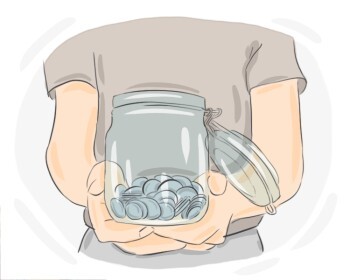
Ex: Interest accrues on the savings account, allowing the balance to grow steadily over the years. 
Close
Sign in
to donate
to donate
[Verb]

to freely give goods, money, or food to someone or an organization

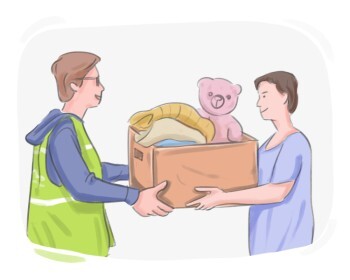
Ex: Individuals often donate clothing to local shelters during the winter months. 
Close
Sign in
to fundraise

to seek financial contributions or donations for a particular cause, organization, or event

Ex: They fundraised tirelessly to support cancer research. 
Close
Sign in
to acquire

to buy or begin to have something

Ex: Sophie was thrilled to acquire a rare and valuable stamp for her collection. 
Close
Sign in
to borrow
to borrow
[Verb]

to use or take something belonging to someone else, with the idea of returning it

Ex: Can I borrow your umbrella? It's raining outside, and I left mine at home. 
Close
Sign in
to deposit

to put an amount of money or other item of value into a bank account

Ex: She deposited her paycheck into her savings account to start building her nest egg. 
Close
Sign in
to garner
to garner
[Verb]

to obtain or earn something desired or needed, typically through effort or skill

Ex: She garnered support from the community for her environmental initiative. 
Close
Sign in
tariff
tariff
[noun]

a tax paid on goods imported or exported

Ex: The government imposed a tariff on imported steel to protect domestic producers. 
Close
Sign in
levy
levy
[noun]

a charge or fee set, especially by authority or law

Ex: The government imposed a levy on imported goods to protect local industries. 
Close
Sign in
dividend
dividend
[noun]

an amount of money paid regularly to the shareholders of a company

Ex: The company announced a quarterly dividend of $1 per share. 
Close
Sign in
revenue
revenue
[noun]

the total income generated from business activities or other sources

Ex: The company's annual revenue exceeded expectations. 
Close
Sign in
asset bubble

a situation in which the prices of assets, such as stocks, real estate, or commodities, become significantly inflated beyond their intrinsic value due to speculative investing or market hype
Ex: During the dot-com boom of the late 1990s, many technology stocks experienced an asset bubble. 
Close
Sign in
expense
expense
[noun]

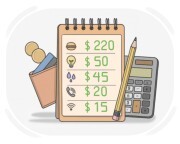
the amount of money spent to do or have something

Ex: Keeping track of your monthly expenses can help you create a realistic budget. 
Close
Sign in
austerity
austerity
[noun]

strict economic measures implemented by a government to reduce public expenditure and budget deficits

Ex: The government implemented austerity measures to tackle the mounting national debt. 
Close
Sign in
commercialization

the process of introducing a new product or service into the market for sale
Ex: The commercialization of electric vehicles has increased significantly in recent years. 
Close
Sign in
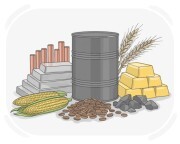
commodity
commodity
[noun]

(economics) an unprocessed material that can be traded in different exchanges or marketplaces

Ex: Oil has long been a highly valued commodity on the global market, influencing economies and politics. 
Close
Sign in
asset
asset
[noun]

a valuable resource or quality owned by an individual, organization, or entity, typically with economic value and the potential to provide future benefits

Ex: Real estate is considered a valuable asset due to its potential for long-term appreciation and rental income. 
Close
Sign in
boom-bust cycle

an economic cycle characterized by periods of rapid economic expansion followed by periods of contraction or recession

Ex: The housing market experienced a classic boom-bust cycle, with prices soaring rapidly before crashing suddenly. 
Close
Sign in
economy of scale

the cost advantages that enterprises obtain due to size, output, or scale of operation

Ex: Large manufacturers benefit from economy of scale by producing goods at lower costs per unit. 
Close
Sign in
stock market

the business of trading and exchanging shares of different companies

Ex: The stock market experienced a significant drop today, causing investors to worry about their portfolios. 
Close
Sign in
fiduciary
fiduciary
[noun]

a person or organization that holds a position of trust, responsibility, and confidence to manage assets or property on behalf of others

Ex: As a fiduciary, the trustee must act in the best interests of the beneficiaries. 
Close
Sign in
depreciation

a decline in something's price or value

Ex: The depreciation of the currency has led to an increase in the cost of imported goods. 
Close
Sign in
salvage value

the estimated residual value of an asset at the end of its useful life

Ex: The salvage value of the old machinery was estimated to be $5,000 after ten years of use. 
Close
Sign in
auction
auction
[noun]

a public sale in which goods or properties are sold to the person who bids higher

Ex: The painting was sold at an auction for a record-breaking price. 
Close
Sign in
transaction

the general process of purchasing or selling something

Ex: The transaction of his public duties requires careful planning and execution. 
Close
Sign in
subsidy
subsidy
[noun]

an amount of money that a government or organization pays to lower the costs of producing goods or providing services so that prices do not increase

Ex: The government provides subsidies to farmers to support agricultural production and maintain food security. 
Close
Sign in
monopoly
monopoly
[noun]

a situation in which one organization or entity exclusively controls the production, distribution, or trade of a product or service, making other rivals unable to compete

Ex: Many indie bookstores face challenges in a landscape dominated by the monopoly of major online retailers. 
Close
Sign in
handout
handout
[noun]

money, food, or other resources distributed freely to those in need, typically by an organization or government

Ex: The government provides financial handouts to support low-income families during economic downturns. 
Close
Sign in
tuition
tuition
[noun]

an amount of money that one pays to receive an education, particularly in a university or college

Close
Sign in
recession
recession
[noun]

a hard time in a country's economy characterized by a reduction in employment, production, and trade

Ex: During the recession, many businesses were forced to close, leading to widespread job losses. 
Close
Sign in
bankruptcy

a situation in which a person or business is unable to pay due debts

Ex: The company declared bankruptcy after years of financial losses. 
Close
Sign in
blockbuster

a thing that achieves great widespread popularity or financial success, particularly a movie, book, or other product

Ex: The new superhero movie became a blockbuster, earning over $1 billion at the box office. 
Close
Sign in
stake
stake
[noun]

an amount of money invested in a business

Ex: She purchased a significant stake in the startup company to support its growth. 
Close
Sign in
consumer
consumer
[noun]

someone who buys and uses services or goods

Ex: As a consumer, she prefers products that are eco-friendly and sustainable. 
Close
Sign in
investor
investor
[noun]

a person or organization that provides money or resources to a business or project with the expectation of making a profit

Ex: The investor provided capital to help the startup launch. 
Close
Sign in
overhead
overhead
[noun]

the regular costs required for maintaining a business or an organization

Ex: Rent, utilities, and insurance are all part of the company's overhead. 
Close
Sign in
outlay
outlay
[noun]

the sum of money spent

Ex: The total outlay for the renovations was $50,000. 
Close
Sign in
opulence
opulence
[noun]

wealth or affluence, especially when displayed in a showy manner

Ex: Tourists often visit the city to witness the opulence of its historic mansions and estates. 
Close
Sign in
treasury
treasury
[noun]

the funds and resources that a country or organization controls

Ex: The government announced a new budget for the national treasury. 
Close
Sign in
bounty
bounty
[noun]

a reward or payment given as motivation for completing a task or reaching an objective

Ex: The company offered a generous bounty for employees who referred qualified candidates. 
Close
Sign in
ledger
ledger
[noun]

a book or digital record that contains financial transactions and balances, organized by accounts

Ex: The accountant updated the ledger with the latest transactions. 
Close
Sign in
pecuniary
pecuniary
[Adjective]

involving or about money

Ex: The contract outlined the pecuniary benefits offered to the employees. 
Close
Sign in
fiscal
fiscal
[Adjective]

relating to government revenue or public money, especially taxes

Ex: The government faces challenges in balancing fiscal priorities while addressing social needs. 
Close
Sign in
monetary
monetary
[Adjective]

relating to money or currency

Ex: The central bank sets monetary policy to regulate the supply of money in the economy. 
Close
Sign in
lucrative
lucrative
[Adjective]

capable of producing a lot of profit or earning a great amount of money for someone

Ex: The real estate market in the city is highly lucrative for investors. 
Close
Sign in
marketable
marketable
[Adjective]

desirable or sought after, especially by employers or in the marketplace

Ex: His computer programming skills make him highly marketable in the tech industry. 
Close
Sign in
intensive
intensive
[Adjective]

(in business) concentrating on or using something a lot, such as a piece of equipment, etc.

Ex: The company adopted a labor-intensive production method to reduce costs. 
Close
Sign in
profitable
profitable
[Adjective]

(of a business) providing benefits or valuable returns

Ex: The new marketing strategy proved highly profitable, increasing the company's revenue by 20% in just six months. 
Close
Sign in
nonprofit
nonprofit
[Adjective]

(of an organization, activity, etc.) operating without the goal of generating any financial benefits

Ex: ertaining to an organization or activity that does not operate for the purpose of making a profit. 
Close
Sign in
capitalistic
capitalistic
[Adjective]

characterized by an economic system where private ownership of businesses and resources drives production and distribution with a focus on profit

Ex: The country's economy is largely capitalistic, with a strong emphasis on free markets. 
Close
Sign in
high-end
high-end
[Adjective]

having a much higher quality and price than the rest of their kind

Ex: She treated herself to a high-end handbag as a reward for reaching her career goals. 
Close
Sign in
parsimonious
parsimonious
[Adjective]

spending money very reluctantly

Ex: Critics argued the government had grown too parsimonious in funding for education and social programs. 
Close
Sign in
extravagant
extravagant
[Adjective]

costing a lot of money, more than the necessary or affordable amount

Ex: She threw an extravagant birthday party with live music and gourmet catering. 
Close
Sign in
affluent
affluent
[Adjective]

possessing a great amount of riches and material goods
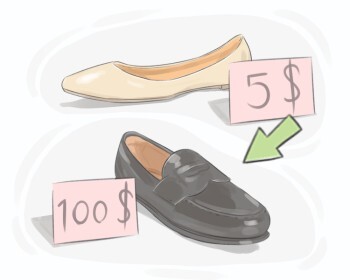
Ex: The affluent neighborhood was characterized by its luxurious homes and upscale amenities. 
Close
Sign in
upscale
upscale
[Adjective]

high quality, luxurious, or intended for a wealthier clientele
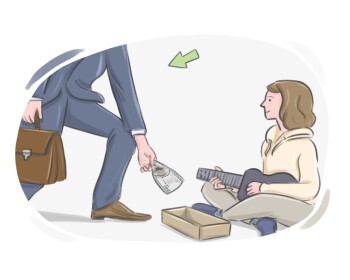
Ex: The upscale restaurant offered a menu featuring gourmet dishes prepared with the finest ingredients. 
Close
Sign in
lavish
lavish
[Adjective]

generous in giving or expressing

Ex: The team received lavish praise for their outstanding performance. 
Close
Sign in
real estate

a piece of land, building, or other similar property as opposed to personal possessions

Close
Sign in
LanGeek
Download LanGeek app