
Cambridge English: FCE (B2 First) - Individuals & Social Dynamics

review-disable

review

flashcard-disable

flashcard

spelling-disable

spelling

quiz-disable

quiz

start-learning
Cambridge English: FCE (B2 First)
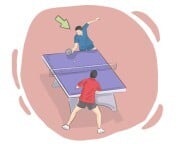
opponent [noun]

someone who plays against another player in a game, contest, etc.

Ex: The team prepared strategies to counter their strongest opponent .

the state or condition of being liked, admired, or supported by many people

Ex: His popularity at work increased after he led a successful project .
crew [noun]

all the people who work on a ship, aircraft, etc.

Ex: The crew on the plane served food and drinks to the passengers .
absence [noun]

the state of not being at a place or with a person when it is expected of one

Ex: The absence of key personnel at the conference made it difficult to move forward with discussions .

the act of showing oneself to the public

Ex: The crowd cheered as he made his appearance on stage .

someone who is known by a lot of people, especially in entertainment business

Ex: He became a celebrity after his book became a best-seller .
fame [noun]

a state of being widely known or recognized, usually because of notable achievements, talents, or actions

Ex: The athlete 's fame grew with every record-breaking performance .

a mental spark that drives unusual creativity or activity

Ex: The speaker ’s words created an inspiration that energized the audience .

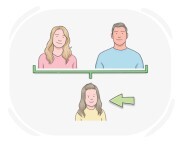
a person who has no siblings

Ex: Some only children long for siblings while others cherish the unique experience of being the only child .
unpopular [adjective]

not liked or approved of by a large number of people

Ex: Jazz is an unpopular music genre among the younger generation .

all the people living in a house together, considered as a social unit

Ex: The new neighbors introduced their household to everyone on the street during a welcome party .

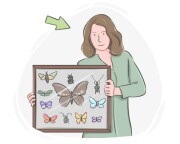
someone who gathers things, as a job or hobby

Ex: The museum reached out to a renowned artifact collector to procure pieces for their upcoming exhibit .
identity [noun]

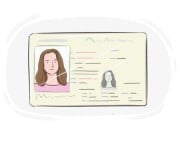
the unique personality that persists within an individual

Ex: The thief used a stolen identity to access the bank account .
privacy [noun]

a state in which other people cannot watch or interrupt a person

scandal [noun]

an event or action that is considered morally or legally wrong and causes public outrage or controversy

Ex: The scandal at the university caused a loss of trust in its leadership .

a strong and uncontrollable interest or attachment to something or someone, causing constant thoughts, intense emotions, and repetitive behaviors

Ex: She had an obsession with checking her email , even in the middle of the night .

the way something looks or seems to others

Ex: The messy desk left an impression of disorganization .
ritual [noun]

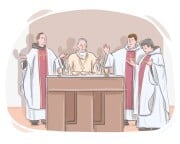
the act of conducting a series of fixed actions, particular to a religious ceremony

Ex:
routine [noun]

a set of actions or behaviors that someone does regularly or habitually

Ex: The teacher started the class with her usual routine .

to provide financial or material assistance

Ex: She worked multiple jobs to support her family .
fiance [noun]

a man who is engaged to someone

Ex:

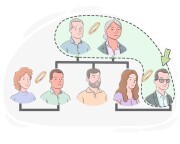
the husband of one's son or daughter

Ex: They welcomed their son-in-law with open arms , embracing him as part of their family from the start .

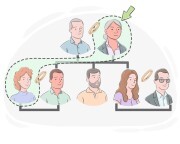
someone who is the mother of a person's wife or husband

Ex: Her mother-in-law welcomed her into the family with open arms .

a person whom one knows but is not a close friend

Ex: Networking events provide opportunities to meet new acquaintances in the professional world .
fiancee [noun]

a woman who is engaged to someone

Ex:
widow [noun]

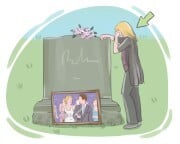
a married woman whose spouse is dead and has not married again

Ex: She has been a widow for five years since her husband ’s death .
flatmate [noun]

a person whom one shares a room or apartment with

Ex: Sharing chores with a flatmate can make daily tasks easier .
ancestor [noun]

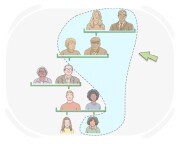
a blood relative who lived a long time ago, usually before one's grandparents

Ex: The family tree traced their ancestors back to the 1700s in Europe .