
GRE এর জন্য প্রয়োজনীয় শব্দভাণ্ডার - ভাষা ও সাহিত্যিক যন্ত্র
এখানে আপনি ভাষা সম্পর্কে কিছু ইংরেজি শব্দ শিখবেন, যেমন "locative", "neuter", "irony" ইত্যাদি, যা GRE পরীক্ষার জন্য প্রয়োজন।
পুনরাবৃত্তি
ফ্ল্যাশকার্ডসমূহ
বানান
কুইজ


the spoken form of a language specific to a certain region or people which is slightly different from the standard form in words and grammar

উপভাষা,আঞ্চলিক ভাষা
আফ্রিকান আমেরিকান ভার্নাকুলার ইংরেজি (AAVE) হল একটি উপভাষা যা প্রধানত মার্কিন যুক্তরাষ্ট্রের আফ্রিকান আমেরিকান সম্প্রদায় দ্বারা কথিত, যা স্বতন্ত্র ব্যাকরণ, শব্দভান্ডার এবং স্বরলিপি প্যাটার্ন দ্বারা চিহ্নিত।
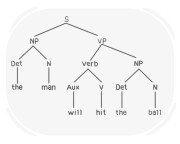
(linguistics) the way in which words and phrases are arranged to form grammatical sentences in a language
বাক্য গঠন,ব্যাকরণিক কাঠামো
একটি ভাষার বাক্য গঠন বোঝা ব্যাকরণগতভাবে সঠিক এবং অর্থপূর্ণ বাক্য গঠনের জন্য অত্যন্ত গুরুত্বপূর্ণ।

(in the grammar of some languages) a group of nouns, pronouns, or adjectives changing in the same way to indicate case, number, and gender
বিভক্তি,নামের রূপান্তর
লাতিন ভাষায়, বিশেষ্য এবং বিশেষণ বাক্যে তাদের ভূমিকার উপর ভিত্তি করে বিভক্তি নামে বিভিন্ন রূপ পরিবর্তনের মধ্য দিয়ে যায়।
(grammar) a change in the structure of a word, usually adding a suffix, according to its grammatical function
বিভক্তি,প্রত্যয়
লাতিন ব্যাকরণিক সম্পর্ক প্রকাশ করতে বিভক্তি-এর উপর ব্যাপকভাবে নির্ভর করে।
(grammar) to show how a verb changes depending on number, person, tense, etc.
ক্রিয়া রূপ দেওয়া
ভাষাবিদ্যার অধ্যাপক ব্যাখ্যা করেছিলেন কিভাবে বিভিন্ন ভাষা তাদের ব্যাকরণগত কাঠামোর উপর ভিত্তি করে ক্রিয়াগুলিকে আলাদাভাবে সংযোজন করে।
a change in normal word order, especially putting a verb before its subject
বিপর্যয়,উলটানো
কবিরা প্রায়ই তাদের রচনায় মিটার এবং ছন্দ বজায় রাখতে ইনভার্সন ব্যবহার করেন।
(grammar) a particular form of a pronoun, adjective, or noun that acts as the direct object of a verb or preposition, used in some languages such as Greek or Latin
কর্মকারক,সম্প্রদান কারক
ইংরেজিতে কর্মকারক "আমি তাকে দেখি" এ দেখা যেতে পারে।
(in the grammar of some languages) the form of a noun, pronoun, or adjective that is used when addressing a particular person or thing
সম্বোধন কারক,ভোকেটিভ
আধুনিক ইংরেজিতে সম্বোধনকারী কম স্বতন্ত্র কিন্তু এখনও কিছু বাক্যে স্পষ্ট।
relating to a grammatical case that is used to indicate possession, origin, or a close association
সম্বন্ধ পদ,সম্বন্ধ পদ সম্পর্কিত
তারা বিভিন্ন ভাষায় বিশেষ্যের সম্বন্ধ পদ এর শেষাংশ নিয়ে আলোচনা করেছেন।
(of verbs) a form or mood that represents possibility, doubt, or wishes
সম্ভাবনাসূচক
ইংরেজিতে, সম্ভাবনাসূচক "যদি আমি তুমি হতাম" এর মতো বাক্যাংশে দেখা যায়।
(grammar) a specific form of a pronoun, adjective, or noun that is used to show by what means or by whom an action is done or to indicate the source of the action, found in some languages such as Latin or Sanskrit
অপাদান কারক,অপাদান
লাতিনে পড়া এবং লেখার জন্য অপাদান কারক আয়ত্ত করা অপরিহার্য।
(grammar) a specific form of a pronoun, adjective, or noun that shows the place of an action or where a person or thing is
স্থানিক,অধিকরণ কারক
কিছু ভাষায়, স্থানিক "বাড়িতে" বা "শহরে" মত ধারণা প্রকাশ করে।
(grammar) describing an adjective or noun following a linking verb and completing the meaning of the copula
বিধেয়সংক্রান্ত,গুণবাচক
বিধেয় বিশেষণ "হওয়া", "মনে হওয়া", "প্রকাশ পাওয়া" এবং "হয়ে ওঠা" মতো ক্রিয়াগুলি অনুসরণ করে।
a grammatical case used for the subject of a sentence or clause
কর্তৃকারক,প্রথমা বিভক্তি
"আমি" কর্তৃকারক ব্যবহৃত হয় যখন নিজেকে কর্তা হিসেবে উল্লেখ করা হয়।
(grammar)(of a noun or adjective) joined directly to a noun and modifying it, without a linking verb
বিশেষণাত্মক,বিশেষণ
বিশেষণাত্মক একটি বাক্যের অর্থ বা জোর পরিবর্তন করতে পারে।
(grammar) the mood of a verb that states a fact
নির্দেশক
লাতিনে, নির্দেশক এমন ক্রিয়াগুলি নির্দেশ করে যা বাস্তব হিসাবে বিবেচিত হয়।
(grammar) a function word that is used to form a question
প্রশ্নবাচক,প্রশ্নবাচক শব্দ
ইংরেজিতে প্রশ্নবোধক শব্দ প্রায়ই "কে", "কী", "কোথায়", "কখন", "কেন" বা "কিভাবে" এর মতো প্রশ্নবোধক শব্দ দিয়ে শুরু হয়।
(grammar) a gender of words that are neither masculine nor feminine
নপুংসক,নপুংসক লিঙ্গ
লাতিন ভাষায় তিনটি লিঙ্গ রয়েছে: পুরুষ, মহিলা এবং নপুংসক।
(grammar) a letter or group of letters added to the end or beginning of a word to change its meaning
প্রত্যয়,প্রত্যয়/উপসর্গ
"un-" প্রত্যয় বিশেষণগুলির অর্থ তাদের বিপরীতে পরিবর্তন করে।
the use of the same letter or sound at the beginning of the words in a verse or sentence, used as a literary device
অনুপ্রাস
অলঙ্কার বক্তৃতা ও কবিতায় একটি ছন্দময় গুণ যোগ করে।
a form of humor in which the words that someone says mean the opposite, producing an emphatic effect
বিদ্রূপ
a statement that implies or indirectly mentions something or someone else, especially as a literary device
ইঙ্গিত,উল্লেখ
উপন্যাসের শিরোনাম, "ব্রেভ নিউ ওয়ার্ল্ড," শেক্সপিয়ারের "দ্য টেম্পেস্ট" এর একটি ইঙ্গিত, যা অন্বেষণ এবং আবিষ্কারের থিমগুলি সুপারিশ করে।
humor, irony, ridicule, or sarcasm used to expose or criticize the faults and shortcomings of a person, government, etc.
ব্যঙ্গ,বিদ্রূপ
সুইফটের "একটি মডেস্ট প্রোপোজাল"-এ ব্রিটিশ নীতির ব্যঙ্গ আজও অধ্যয়ন করা হয়।
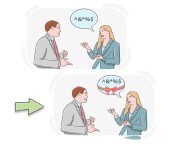
a word or expression that is used instead of a harsh or insulting one in order to be more tactful and polite
সৌজন্যবাচক শব্দ,মৃদু অভিব্যক্তি
শিশুদের মন খারাপ করতে এড়াতে, তিনি একটি ইউফেমিজম ব্যবহার করেছিলেন, বলেছিলেন যে তাদের পোষা খরগোশ "একটি খামারে গেছে" তার মৃত্যুর কথা উল্লেখ করার পরিবর্তে।
(linguistics) a process by which a new word or inflection is formed according to existing rules and regulations
সাদৃশ্য,অনুরূপতা
সাদৃশ্য ব্যবহার করে, তিনি "ring" এবং "rang" এর প্যাটার্ন অনুসরণ করে একটি অতীত ক্রিয়া বর্ণনা করতে "brang" শব্দটি তৈরি করেছেন।
(of a person) able to express thoughts or ideas in a clear and consistent manner
সামঞ্জস্যপূর্ণ,যুক্তিসঙ্গত
একজন সঙ্গতিপূর্ণ ব্যক্তি জটিল ধারণাগুলি সহজ উপায়ে উপস্থাপন করতে পারেন।
the study of the origins and historical developments of words and their meanings
শব্দতত্ত্ব
শব্দতত্ত্ব অধ্যয়ন ভাষাগুলি কীভাবে বিকশিত হয় এবং একে অপরের থেকে ধার করে তা বুঝতে সহায়তা করে।
(of people) unable to express oneself clearly or easily
অস্পষ্ট,স্পষ্টভাবে প্রকাশ করতে অক্ষম
তিনি তাঁর অস্পষ্ট ব্যাখ্যায় হতাশ বোধ করেছিলেন, তাঁর ধারণাগুলি স্পষ্টভাবে প্রকাশ করতে অক্ষম।
the redundant repetition of an idea using different words in a sentence or phrase
অনুক্তি,অতিরিক্ত পুনরাবৃত্তি
লেখালেখিতে অনেক নবীন প্রায়ই অনুক্তি ব্যবহার করার ভুল করে বুঝতে পারেনা।
(linguistics) a branch of linguistics that deals with the sentences and the contexts in which they are used
প্রয়োগবাদ,ভাষাবিজ্ঞানের একটি শাখা প্রয়োগবাদ
প্র্যাগমেটিক্স বোঝা দোভাষীদের কূটনৈতিক আলোচনায় সূক্ষ্ম সূক্ষ্মতা নেভিগেট করতে সাহায্য করে।
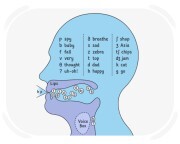
the science and study of speech sounds and their production
ধ্বনিবিজ্ঞান
একজন ধ্বনিবিজ্ঞান গবেষক বক্তৃতা শব্দগুলির বৈশিষ্ট্য এবং প্যাটার্ন বোঝার জন্য স্পেকট্রোগ্রাম এবং অ্যাকোস্টিক বিশ্লেষণের মতো কৌশলগুলি ব্যবহার করে বিশ্লেষণ করেন।
the smallest unit of sound in a language that can distinguish meaning, often represented by a specific symbol in phonetic notation
ধ্বনিমূলক,শব্দ একক
উদাহরণস্বরূপ, ইংরেজিতে, ধ্বনিমূল /p/ এবং /b/ পৃথক কারণ তারা "pat" এবং "bat" এর মতো শব্দের অর্থ পরিবর্তন করতে পারে।
(linguistics) the smallest meaningful unit of a language that does not necessarily stand alone and cannot be divided
মর্ফিম,ক্ষুদ্রতম অর্থপূর্ণ একক
"unhappiness" শব্দটিতে তিনটি মর্ফেম রয়েছে: "un-", "happy" এবং "-ness"।
(linguistics) a basic linguistic unit that is meaningful and underlies a set of words which are related through inflection
লেক্সেম,মৌলিক ভাষাগত একক
উদাহরণস্বরূপ, শব্দরূপ "run" এ মূল রূপ "run" অন্তর্ভুক্ত, পাশাপাশি এর বিভক্তি যেমন "ran", "running" এবং "runs"।
a variant pronunciation of a phoneme, which can occur due to phonetic differences in specific contexts or environments within a language
একটি অ্যালোফোন, একটি ধ্বনির একটি প্রকরণ উচ্চারণ, যা একটি ভাষার মধ্যে নির্দিষ্ট প্রসঙ্গ বা পরিবেশে ধ্বনিগত পার্থক্যের কারণে ঘটতে পারে,একটি অ্যালোফোন, একটি ধ্বনির একটি প্রকরণ ফর্ম, যা নির্দিষ্ট ধ্বনিগত পরিবেশে দেখা যায়
"water"-এ "t" ধ্বনির আমেরিকান ইংরেজিতে একটি ফ্ল্যাপ [ɾ] হিসাবে উচ্চারণ /t/ ধ্বনিমূলার একটি অ্যালোফোন।
(grammar) the act of omitting a word or words from a sentence, when the meaning is complete and the omission is understood from the context
ইলিপসিস,বাদ দেওয়া
টেক্সট মেসেজিং-এ, এলিপসিস দ্বিধা বা কথোপকথনে ম্লান হয়ে যাওয়া বোঝাতে পারে।
each of two or more words with the same spelling or pronunciation that vary in meaning and origin
সমনাম,সমধ্বনি
সমোচ্চারিত "row" শব্দের অর্থ জিনিসের একটি সারি এবং একটি তর্ক উভয়ই হতে পারে।
(grammar) one of two or more words with the same pronunciation that differ in meaning, spelling or origin
সমোচ্চারিত শব্দ,হোমোফোন
কবিতা লেখার সময়, কিছু কবি তাদের শ্লোকে অর্থের স্তর যোগ করতে চতুরতার সাথে সমোচ্চারিত শব্দ ব্যবহার করেন।
(phonetics) a gliding speech sound formed by the combination of two vowels in a single syllable
সন্ধ্যক্ষর,যুগ্মস্বর
স্পষ্ট যোগাযোগের জন্য ডিফথং সঠিকভাবে উচ্চারণ শেখা গুরুত্বপূর্ণ।
a word that mimics the sound it represents
ধ্বনানুকরণ,এমন একটি শব্দ যা এটি উপস্থাপন করে এমন শব্দের অনুকরণ করে
কবিরা প্রায়শই ভাষার মাধ্যমে সংবেদনশীল অভিজ্ঞতা জাগানোর জন্য ধ্বন্যানুকরণ ব্যবহার করেন।
