
واژگان ضروری برای GRE - زبان و ابزارهای ادبی
در اینجا شما برخی از کلمات انگلیسی درباره زبان، مانند "locative"، "neuter"، "irony" و غیره را یاد خواهید گرفت که برای آزمون GRE مورد نیاز است.
مرور
فلشکارتها
املای کلمه
آزمون


the spoken form of a language specific to a certain region or people which is slightly different from the standard form in words and grammar

گویش
لهجههای منطقهای در انگلیسی، مانند انگلیسی بریتانیایی، انگلیسی آمریکایی و انگلیسی استرالیایی، در تلفظ، واژگان و حتی قواعد دستوری متفاوت هستند.
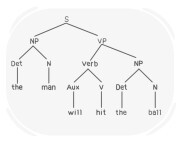
(linguistics) the way in which words and phrases are arranged to form grammatical sentences in a language
نحو (زبانشناسی), علم ترکیب
درک نحو یک زبان برای ساختن جملات دستوری صحیح و معنیدار بسیار مهم است.

(in the grammar of some languages) a group of nouns, pronouns, or adjectives changing in the same way to indicate case, number, and gender
صرف (زبانشناسی)
زبان انگلیسی قدیم یک سیستم پیچیده از تصریف داشت، با فرمهای مختلف برای اسمها بسته به حالت، عدد و جنسیت.
(grammar) a change in the structure of a word, usually adding a suffix, according to its grammatical function
تصریف (دستورزبان)
لاتین به شدت به تصریف برای بیان روابط دستوری متکی است.
(grammar) to show how a verb changes depending on number, person, tense, etc.
صرف کردن (دستورزبان)
استاد زبانشناسی توضیح داد که چگونه زبانهای مختلف افعال را بر اساس ساختارهای دستوری خود به طور متفاوتی صرف میکنند.
a change in normal word order, especially putting a verb before its subject
وارونهسازی (زبانشناسی)
شاعران اغلب از وارونگی برای حفظ وزن و ریتم در آثار خود استفاده میکنند.
(grammar) a particular form of a pronoun, adjective, or noun that acts as the direct object of a verb or preposition, used in some languages such as Greek or Latin
حالت مفعولی (دستورزبان), حالت رایی
حالت مفعولی در انگلیسی را میتوان در "من او را میبینم" مشاهده کرد.
(in the grammar of some languages) the form of a noun, pronoun, or adjective that is used when addressing a particular person or thing
حالت ندا (دستورزبان)
حالت ندا در انگلیسی مدرن کمتر متمایز است اما هنوز در برخی عبارات مشهود است.
relating to a grammatical case that is used to indicate possession, origin, or a close association
اضافه (دستورزبان)
مقاله تغییرات ریختشناسی در حالت اضافه را تحلیل کرد.
(of verbs) a form or mood that represents possibility, doubt, or wishes
افعال فرعی (دستور زبان)
در انگلیسی، شرطی در عباراتی مانند "اگر من تو بودم" ظاهر میشود.
(grammar) a specific form of a pronoun, adjective, or noun that is used to show by what means or by whom an action is done or to indicate the source of the action, found in some languages such as Latin or Sanskrit
مفعولبه (دستور زبان)
تسلط بر حالت مفعولی برای خواندن و نوشتن به زبان لاتین ضروری است.
(grammar) a specific form of a pronoun, adjective, or noun that shows the place of an action or where a person or thing is
حالت اندری (دستورزبان)
در برخی زبانها، محلی مفاهیمی مانند "در خانه" یا "در شهر" را بیان میکند.
(grammar) describing an adjective or noun following a linking verb and completing the meaning of the copula
گزارهای
صفتهای مسندی بعد از افعالی مانند "بودن"، "به نظر رسیدن"، "ظاهر شدن" و "شدن" میآیند.
a grammatical case used for the subject of a sentence or clause
فاعلی (دستور زبان)
"من" در حالت نهادی برای اشاره به خود به عنوان فاعل استفاده میشود.
(grammar)(of a noun or adjective) joined directly to a noun and modifying it, without a linking verb
وصفی (دستورزبان)
صفات میتوانند معنی یا تأکید جمله را تغییر دهند.
(grammar) the mood of a verb that states a fact
وجه اخباری
در لاتین، حالت اخباری اقداماتی را نشان میدهد که واقعی در نظر گرفته میشوند.
(grammar) a function word that is used to form a question
کلمه پرسشی (دستورزبان)
پرسشواژهها در انگلیسی اغلب با کلمات پرسشی مانند "چه کسی"، "چه"، "کجا"، "کی"، "چرا" یا "چگونه" شروع میشوند.
(grammar) a gender of words that are neither masculine nor feminine
خنثی (دستورزبان)
لاتین سه جنس دارد: مذکر، مؤنث و خنثی.
(grammar) a letter or group of letters added to the end or beginning of a word to change its meaning
وند (دستورزبان)
پسوند "un-" معنای صفات را به عکس آنها تغییر میدهد.
the use of the same letter or sound at the beginning of the words in a verse or sentence, used as a literary device
واجآرایی
تکرار آوایی کیفیت ریتمیک به سخنرانیها و شعر میافزاید.
a form of humor in which the words that someone says mean the opposite, producing an emphatic effect
وارونهگویی, گواژه
او از کنایه برای انتقاد از پوچی موقعیت استفاده کرد.
a statement that implies or indirectly mentions something or someone else, especially as a literary device
تلمیح
عنوان رمان، "دنیای قشنگ نو"، اشارهای است به "توفان" شکسپیر، که مضامینی از اکتشاف و کشف را پیشنهاد میکند.
humor, irony, ridicule, or sarcasm used to expose or criticize the faults and shortcomings of a person, government, etc.
طنز
هجو سویفت از سیاستهای بریتانیا در "پیشنهاد متواضعانه" هنوز هم امروزه مطالعه میشود.
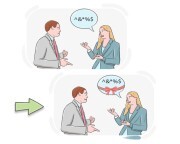
a word or expression that is used instead of a harsh or insulting one in order to be more tactful and polite
حسن تعبیر, بـهگویی
برای جلوگیری از ناراحت کردن بچهها، او از کنایه استفاده کرد و گفت که خرگوش خانگیشان "به یک مزرعه رفته" به جای اشاره به مرگ آن.
(linguistics) a process by which a new word or inflection is formed according to existing rules and regulations
آنالوژی (زبانشناسی)
(of a person) able to express thoughts or ideas in a clear and consistent manner
فصیح
به عنوان یک رهبر، او در تصمیمگیریهایش منسجم است، اطمینان حاصل میکند که همه استدلالش را درک میکنند.
the study of the origins and historical developments of words and their meanings
ریشهشناسی (واژگان)
مطالعه ریشهشناسی به درک چگونگی تکامل زبانها و وامگیری آنها از یکدیگر کمک میکند.
(of people) unable to express oneself clearly or easily
ناگویا, فاقدقدرتبیان
او از توضیح نامفهوم خود احساس ناامیدی کرد، قادر نبود ایدههایش را به وضوح بیان کند.
the redundant repetition of an idea using different words in a sentence or phrase
همانگویی (معنیشناسی), توتولوژی
بسیاری از مبتدیان در نوشتن اغلب مرتکب اشتباه استفاده از تکرارهای زائد میشوند بدون اینکه متوجه باشند.
(linguistics) a branch of linguistics that deals with the sentences and the contexts in which they are used
کاربردشناسی (زبانشناسی)
درک عملگرایی به مترجمان کمک میکند تا در ظرافتهای مذاکرات دیپلماتیک حرکت کنند.
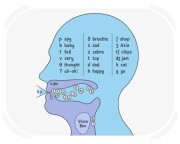
the science and study of speech sounds and their production
آواشناسی (زبانشناسی)
the smallest unit of sound in a language that can distinguish meaning, often represented by a specific symbol in phonetic notation
واج (آواشناسی)
به عنوان مثال، در انگلیسی، واجها /p/ و /b/ متمایز هستند زیرا میتوانند معنای کلماتی مانند "pat" و "bat" را تغییر دهند.
(linguistics) the smallest meaningful unit of a language that does not necessarily stand alone and cannot be divided
تکواژ (زبانشناسی)
کلمه "unhappiness" شامل سه تکواژ است: "un-", "happy" و "-ness".
(linguistics) a basic linguistic unit that is meaningful and underlies a set of words which are related through inflection
تکواژه (زبانشناسی)
به عنوان مثال، واژک "run" شامل فرم پایه "run" و همچنین تغییرات آن مانند "ran"، "running" و "runs" میشود.
a variant pronunciation of a phoneme, which can occur due to phonetic differences in specific contexts or environments within a language
واجگونه (آواشناسی)
تلفظ صدای "t" در "water" به صورت فلپ [ɾ] در انگلیسی آمریکایی یک آلوфон از واج /t/ است.
(grammar) the act of omitting a word or words from a sentence, when the meaning is complete and the omission is understood from the context
حذف به قرینه
در پیامرسانی متنی، سه نقطه میتواند تردید یا محو شدن در گفتگو را منتقل کند.
each of two or more words with the same spelling or pronunciation that vary in meaning and origin
همنام (زبانشناسی)
همنویسه "row" میتواند هم به معنای ردیفی از چیزها و هم به معنای بحث باشد.
(grammar) one of two or more words with the same pronunciation that differ in meaning, spelling or origin
همآوا
هنگام نوشتن شعر، برخی از شاعران به هوشمندانه از همآواها استفاده میکنند تا لایههای معنایی به اشعار خود اضافه کنند.
(phonetics) a gliding speech sound formed by the combination of two vowels in a single syllable
واکه مرکب, مصوت مرکب، آواگروه
یادگیری تلفظ دقیق دیفتونگها برای ارتباط واضح مهم است.
a word that mimics the sound it represents
استفاده از نامآوا
شاعران اغلب از آواگری برای برانگیختن تجربیات حسی از طریق زبان استفاده میکنند.
