pattern

Kniha Headway - Pokročilý - Jednotka 11

Zde najdete slovní zásobu z jednotky 11 v učebnici Headway Advanced, jako je "touha", "nezkrotný", "bigotní" atd.

Revize

Kartičky

Pravopis

Kvíz

Začněte se učit
Headway - Advanced
fancy
fancy
[Přídavné jméno]

elaborate, decorative, or unusually sophisticated in a way intended to impress

Ex: Daniel bought a fancy new coffee machine for the office. 
posh
posh
[Přídavné jméno]

fashionably fancy, often associated with wealth and high social standing

elegantní, exkluzivní

elegantní, exkluzivní

Ex: The posh restaurant was known for its gourmet cuisine and chic ambiance. 

Luxusní restaurace byla známá svou gurmánskou kuchyní a stylovým prostředím.

to brag
to brag
[sloveso]

to talk with excessive pride about one's achievements, possessions, etc. often in exaggerated manner

chlubit se, vychloubat se

chlubit se, vychloubat se

Ex: Despite their modesty, the team captain couldn't help but brag a bit about the team's recent winning streak. 

Navzdory své skromnosti si kapitán týmu nemohl pomoci a trochu se pochlubil nedávnou sérií vítězství týmu.

to boast
to boast
[sloveso]

to speak with excessive pride about one's achievements, possessions, abilities, or qualities

Ex: Michael had boasted to his friends that he could fix the engine himself. 
limited
limited
[Přídavné jméno]

restricted in scope, extent, or degree

omezený, omezený

omezený, omezený

Ex: The hotel offers limited amenities compared to larger resorts. 
confined
confined
[Přídavné jméno]

restricted or limited in space, area, or movement

omezený, uzavřený

omezený, uzavřený

Ex: The plant's growth was confined by the size of its pot. 

Růst rostliny byl omezen velikostí jejího květináče.
result
result
[Podstatné jméno]

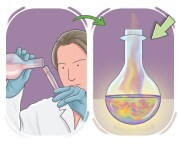
something that is caused by something else

výsledek, účinek

výsledek, účinek

Ex: The medication had the desired result of reducing the patient's symptoms. 
consequence
consequence
[Podstatné jméno]

a phenomenon or event that follows from and is caused by a previous action or occurrence

následek, důsledek

následek, důsledek

Ex: Flooding was a consequence of the heavy rains. 
yearning
yearning
[Podstatné jméno]

a strong feeling of longing, desire or craving for something or someone

touha, dychtivost

touha, dychtivost

Ex: The letter was filled with yearning for the days they spent together. 

Dopis byl naplněn touhou po dnech, které spolu strávili.

thirst
thirst
[Podstatné jméno]

an intense desire or craving for something

žízeň, touha

žízeň, touha

Ex: He felt a thirst for recognition after years of work. 

Po letech práce pocítil žízeň po uznání.

advantage
advantage
[Podstatné jméno]

a benefit or gain resulting from something

výhoda,  prospěch

výhoda, prospěch

Ex: The new design offers the advantage of lower energy use. 
benefit
benefit
[Podstatné jméno]

an advantage or a helpful effect that is the result of a situation

výhoda, prospěch

výhoda, prospěch

Ex: One of the main benefits of exercise is improved mental health. 
uncontrolled
uncontrolled
[Přídavné jméno]

lacking regulation, restraint, or governance, resulting in chaos, disorder, or wildness

nekontrolovaný, nepřizpůsobivý

nekontrolovaný, nepřizpůsobivý

Ex: The uncontrolled growth of invasive plant species disrupted the natural ecosystem of the wetland area. 

Nekontrolovaný růst invazivních rostlinných druhů narušil přirozený ekosystém mokřadní oblasti.

rampant
rampant
[Přídavné jméno]

characterized by unchecked, aggressive, or uncontrollable behavior

nezkrotný, neovladatelný

nezkrotný, neovladatelný

Ex: The internet allowed misinformation to remain rampant. 

Internet umožnil dezinformacím zůstat nezkrotný.
garment
garment
[Podstatné jméno]

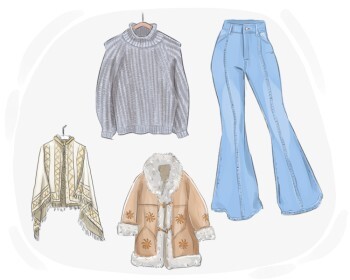
an individual piece of clothing

oděv, oblečení

oděv, oblečení

Ex: Workers folded each finished garment and placed it in a box. 
outfit
outfit
[Podstatné jméno]

a set of clothes that one wears together, especially for an event or occasion

outfit, soubor

outfit, soubor

Ex: He received many compliments on his outfit at the wedding, which he had chosen with great care. 

Dostal mnoho komplimentů na svůj oděv na svatbě, který si vybral s velkou pečlivostí.
complicated
complicated
[Přídavné jméno]

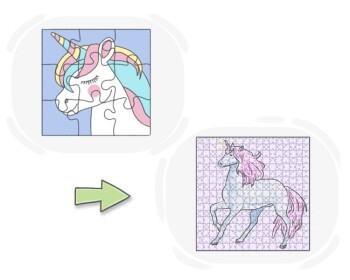
involving many different parts or elements that make something difficult to understand or deal with

komplikovaný, složitý

komplikovaný, složitý

Ex: The legal case was complicated, involving numerous laws and regulations. 

Právní případ byl komplikovaný, zahrnující četné zákony a předpisy.

complex
complex
[Přídavné jméno]

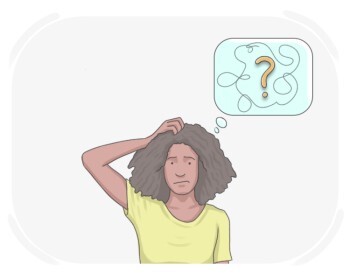
not easy to understand or analyze

složitý, obtížně pochopitelný
složitý, obtížně pochopitelný

Ex: The human brain is incredibly complex, with its functions still not fully understood. 
baffled
baffled
[Přídavné jméno]

completely confused, often due to something that is difficult to explain or understand

zmatený, překvapený

zmatený, překvapený

Ex: Her baffled expression showed she didn’t understand the joke. 

Její zmatený výraz ukazoval, že nepochopila vtip.

perplexed
perplexed
[Přídavné jméno]

confused or puzzled, often because of a complex or difficult situation or problem

zmatený, rozpačitý

zmatený, rozpačitý

Ex: The team felt perplexed when their strategy failed during the game. 

Tým se cítil zmatený, když jejich strategie během hry selhala.

second-rate
second-rate
[Přídavné jméno]

having an inferior quality or ranking, especially when compared to others of its kind

druhořadý, nízké kvality

druhořadý, nízké kvality

Ex: She was tired of being treated like a second-rate employee, despite her hard work. 

Byla unavená z toho, že se k ní chovali jako k druhořadému zaměstnanci, navzdory její tvrdé práci.

mediocre
mediocre
[Přídavné jméno]

substandard or below average

průměrný, střední

průměrný, střední

Ex: The candidate's skills were mediocre, failing to meet the job requirements. 

Dovednosti kandidáta byly průměrné a nesplňovaly požadavky práce.

fashion
fashion
[Podstatné jméno]

the styles and trends of clothing, accessories, makeup, and other items that are popular in a certain time and place

móda
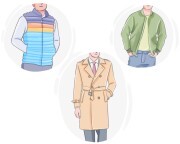
móda

Ex: Fashion trends can vary greatly depending on the region and culture. 
trend
trend
[Podstatné jméno]

a fashion or style that is popular at a particular time

trend, móda
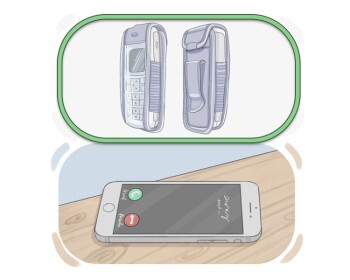
trend, móda

Ex: This trend has influenced how people dress at work. 
old
old
[Přídavné jméno]

(of a thing) having been used or existing for a long period of time

starý, starověký

starý, starověký

Ex: They live in an old house near the river. 
ancient
ancient
[Přídavné jméno]

having existed for an extended period of time

starobylý, dávný

starobylý, dávný

Ex: The ancient oak tree in the center of the village has witnessed countless generations come and go. 
antique
antique
[Přídavné jméno]

old and often considered valuable due to its age, craftsmanship, or historical significance

antický, starobylý
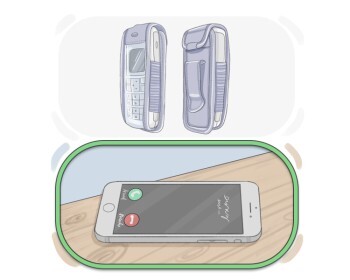
antický, starobylý

Ex: With its exquisite craftsmanship and historical significance, the antique furniture in the room added a touch of elegance to the decor. 
current
current
[Přídavné jméno]

happening or existing in the present time

současný, aktuální

současný, aktuální

Ex: The current economic conditions are challenging for many businesses. 
original
original
[Přídavné jméno]

existing at the start of a specific period or process

původní, počáteční

původní, počáteční

Ex: The original plan was to travel by train, but they decided to drive instead. 
up-to-date
up-to-date
[Přídavné jméno]

conforming to the latest trends or fashion

módní, aktuální

módní, aktuální

Ex: The new line of shoes is up-to-date, blending classic designs with modern innovations. 

Nová řada bot je aktuální, kombinuje klasické designy s moderními inovacemi.

antiquated
antiquated
[Přídavné jméno]

no longer useful, accepted, or relevant to modern times

zastaralý, archaický

zastaralý, archaický

Ex: Some schools still use antiquated teaching methods that lack engagement. 

Některé školy stále používají zastaralé výukové metody, kterým chybí zapojení.
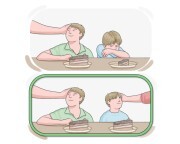
fair
fair
[Přídavné jméno]

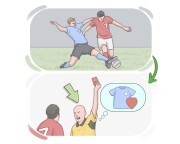
treating everyone equally and in a right or acceptable way

spravedlivý, férový
spravedlivý, férový

Ex: All students are treated equally by her because she is a fair teacher. 
biased
biased
[Přídavné jméno]

having a preference or unfair judgment toward one side or viewpoint over others

zaujatý, předpojatý

zaujatý, předpojatý

Ex: It's important to consider multiple sources of information to avoid being biased in your conclusions. 

Je důležité zvážit více zdrojů informací, aby se zabránilo zaujatosti ve vašich závěrech.
unjust
unjust
[Přídavné jméno]

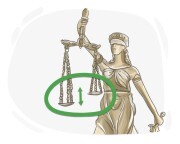
not fair or reasonable, lacking equality and fairness in treatment or decision-making

nespravedlivý, nespravedlivý

nespravedlivý, nespravedlivý

Ex: Discrimination based on race, gender, or religion is fundamentally unjust and should not be tolerated. 

Diskriminace na základě rasy, pohlaví nebo náboženství je v zásadě nespravedlivá a neměla by být tolerována.

impartial
impartial
[Přídavné jméno]

not favoring a particular party in a way that enables one to act or decide fairly

nestranný, neutrální

nestranný, neutrální

Ex: The organization’s impartial stance on political matters ensured that all opinions were respected. 

Nestranné stanovisko organizace k politickým otázkám zajistilo, že všechny názory byly respektovány.

bigoted
bigoted
[Přídavné jméno]

having strong, unreasonable, and unfair opinions or attitudes, especially about a particular race or religion, and refusing to listen to different opinions or ideas

bigotní, fanatický

bigotní, fanatický

Ex: His bigoted comments during the debate alienated many of the audience members and damaged his reputation. 

Jeho bigotní komentáře během debaty odcizily mnoho členů publika a poškodily jeho pověst.
balanced
balanced
[Přídavné jméno]

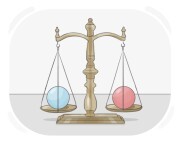
evenly distributed or in a state of stability

vyvážený, stabilní

vyvážený, stabilní

Ex: The therapist helped her achieve a balanced emotional state through mindfulness techniques. 

Terapeut jí pomohl dosáhnout vyváženého emocionálního stavu pomocí technik mindfulness.
objective
objective
[Přídavné jméno]

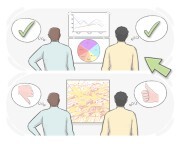
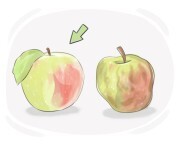
based only on facts and not influenced by personal feelings or judgments

objektivní, nestranný
objektivní, nestranný

Ex: During the debate, both sides presented objective arguments supported by evidence. 
perfect
perfect
[Přídavné jméno]

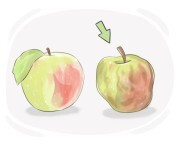
completely without mistakes or flaws, reaching the best possible standard

dokonalý, bezchybný
dokonalý, bezchybný

Ex: He's the perfect candidate for the job with all his experience. 
flawed
flawed
[Přídavné jméno]

having imperfections, errors, or weaknesses

vadný,  nedokonalý

vadný, nedokonalý

Ex: His flawed decision-making process often resulted in regrettable outcomes. 

Jeho chybný rozhodovací proces často vedl k politováníhodným výsledkům.

faulty
faulty
[Přídavné jméno]

not working properly or as intended

vadný, porouchaný

vadný, porouchaný

Ex: The technician discovered a faulty circuit that was responsible for the device's erratic behavior. 

Technik objevil vadný obvod, který byl zodpovědný za nestálé chování zařízení.
faultless
faultless
[Přídavné jméno]

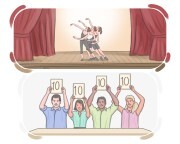
containing no errors at all

bezchybný, dokonalý

bezchybný, dokonalý

Ex: He gave a faultless performance in the play, earning praise from the audience. 

Předvedl bezchybný výkon ve hře a získal pochvalu od publika.

immaculate
immaculate
[Přídavné jméno]

free from errors, mistakes, or faults

bezchybný, dokonalý

bezchybný, dokonalý

Ex: The restaurant had immaculate service, with everything running smoothly. 

Restaurace měla bezchybný servis, vše fungovalo hladce.

impeccable
impeccable
[Přídavné jméno]

without any mistakes or errors

bezchybný

bezchybný

Ex: The scientist's research was impeccable, earning widespread acclaim. 

Výzkum vědce byl bezchybný, což mu přineslo široké uznání.
important
important
[Přídavné jméno]

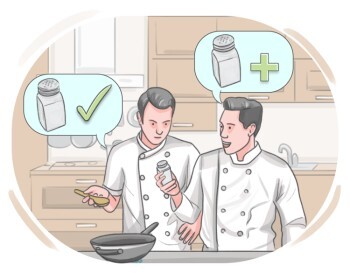
having a lot of value

důležitý, rozhodující

důležitý, rozhodující

Ex: Conserving water is important for the sustainable use of natural resources. 

Šetření vodou je důležité pro udržitelné využívání přírodních zdrojů.
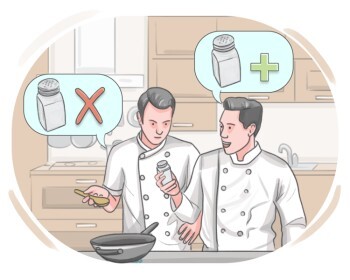
trivial
trivial
[Přídavné jméno]

having little or no importance

triviální, bezvýznamný

triviální, bezvýznamný

Ex: The meeting was delayed by trivial issues that could have been resolved quickly. 

Schůzka byla zpožděna triviálními problémy, které mohly být rychle vyřešeny.
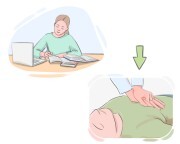
critical
critical
[Přídavné jméno]

extremely important or necessary

kritický, zásadní

kritický, zásadní

Ex: During the negotiation, reaching a compromise on the key issues was critical to reaching a mutually beneficial agreement. 

Během jednání bylo dosažení kompromisu v klíčových otázkách kritické pro dosažení vzájemně výhodné dohody.
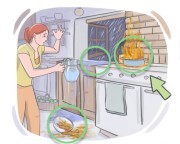
urgent
urgent
[Přídavné jméno]

needing immediate action or attention

naléhavý, urgentní

naléhavý, urgentní

Ex: Urgent action is required to stop the spread of the virus in the community. 

K zastavení šíření viru v komunitě je nutné naléhavé opatření.

petty
petty
[Přídavné jméno]

having little significance

bezvýznamný, malicherný

bezvýznamný, malicherný

Ex: The court dismissed the case, deeming it a petty dispute not worthy of legal action. 

Soud případ zamítl, považoval jej za bezvýznamný spor nehodný právní akce.

frivolous
frivolous
[Přídavné jméno]

having a lack of depth or concern for serious matters

lehkomyslný, povrchní

lehkomyslný, povrchní

Ex: She was known as a frivolous person, always focused on entertainment and never taking anything seriously. 

Byla známá jako lehkomyslná osoba, vždy zaměřená na zábavu a nikdy nic nebrala vážně.

the usual stuff

things that are typical, common, or routine

Ex: The meeting went as expected—just the usual stuff. 
(great|good|lovely) stuff
great stuff
[fráze]

used to express approval or praise for someone's accomplishments, efforts, or ideas

Ex: You did all of that on your own?  Lovely stuff! 
synonym
synonym
[Podstatné jméno]

a word or phrase that has the same or nearly the same meaning as another word or phrase in the same language

synonymum, ekvivalent

synonymum, ekvivalent

Ex: Finding the right synonym can improve your writing style. 

Nalezení správného synonyma může vylepšit váš styl psaní.

to [be] made of (sterner|tougher) stuff

to have a stronger and more determined character or to be more resilient in the face of difficulty

Ex: After losing his job, he showed that he was made of tougher stuff by quickly finding a new one. 
stuff happens

used to say that things can happen unexpectedly or unplanned, and sometimes there is nothing we can do about it

that is the stuff

used to convey satisfaction, approval, or encouragement towards something, such as a good performance, a successful task, or a delicious food or drink

Ex: Ah, that's the stuff.  Nothing like a cold beer after a long day's work. 
to [know] {one's} stuff

to be very knowledgeable about or skillful in a particular field of work

vyznat se ve svém oboru, umět své řemeslo

vyznat se ve svém oboru, umět své řemeslo

Ex: He talks quietly, but he really knows his stuff when it comes to finance. 

Mluví tiše, ale pokud jde o finance, opravdu se vyzná.

antonym
antonym
[Podstatné jméno]

a word or phrase that has an opposite or contrasting meaning to another word or phrase

antonum, opak

antonum, opak

Ex: Understanding antonyms can help improve your vocabulary and writing skills. 

Porozumění antonymům může pomoci zlepšit vaši slovní zásobu a psací dovednosti.

function
function
[Podstatné jméno]

the purpose or intended use of something

funkce, účel

funkce, účel

Ex: The function of the lever is to lift heavy objects. 
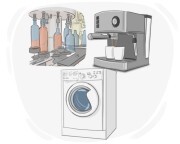
feature
feature
[Podstatné jméno]

an important or distinctive aspect of something

vlastnost, funkce
vlastnost, funkce

Ex: The new smartphone boasts a high-resolution screen as its standout feature. 
machine
machine
[Podstatné jméno]

any piece of equipment that is mechanical, electric, etc. and performs a particular task

stroj, zařízení

stroj, zařízení

Ex: The factory installed new machines to increase production efficiency. 
appliance
appliance
[Podstatné jméno]

a machine or piece of equipment, especially electrical equipment, such as washing machine, dishwasher, etc. that is used for a particular task

přístroj, zařízení

přístroj, zařízení

Ex: He donated unused appliances to a local charity. 

Daroval nepoužívané spotřebiče místní charitě.
choice
choice
[Podstatné jméno]

an act of deciding to choose between two things or more

volba, možnost

volba, možnost

Ex: The menu offered a wide choice of dishes. 
option
option
[Podstatné jméno]

something that can or may be chosen from a number of alternatives

volba,  možnost

volba, možnost

Ex: You have the option to choose between different colors for your new car. 
consumer
consumer
[Podstatné jméno]

someone who buys and uses services or goods

spotřebitel, zákazník

spotřebitel, zákazník

Ex: As a consumer, she prefers products that are eco-friendly and sustainable. 
shopper
shopper
[Podstatné jméno]

someone who goes to shops or online platforms to buy something

nákupčí, zákazník

nákupčí, zákazník

Ex: The shopper appreciated the convenience of online shopping, allowing them to compare prices and read reviews from the comfort of their home. 

Nákupčí ocenil pohodlí online nakupování, které mu umožnilo porovnávat ceny a číst recenze z pohodlí domova.

LanGeek
Stáhnout aplikaci LanGeek