pattern

Slovní zásoba pro IELTS Academic (Skóre 5) - Negativní Emoce

Zde se naučíte některá anglická slova související s negativními emocemi, která jsou nezbytná pro základní akademickou zkoušku IELTS.

Revize

Kartičky

tvary

Pravopis

Kvíz

Začněte se učit
Vocabulary for IELTS Academic (Band 5)
sadness
sadness
[Podstatné jméno]

the feeling of being sad and not happy

smutek

smutek

Ex: His sudden departure left a lingering sadness in the hearts of his friends and family .

Jeho náhlý odjezd zanechal v srdcích jeho přátel a rodiny přetrvávající smutek.

stress
stress
[Podstatné jméno]

a feeling of anxiety and worry caused by different life problems

stres, napětí

stres, napětí

Ex: The therapist recommended ways to manage stress through relaxation techniques .

Terapeut doporučil způsoby, jak zvládnout stres pomocí relaxačních technik.

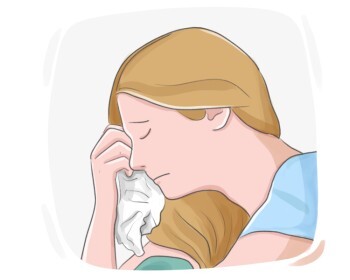
grief
grief
[Podstatné jméno]

a great sadness that is felt because of someone's death

zármutek, smutek

zármutek, smutek

Ex: The memorial service was a space for people to express their grief.

Pamětní bohoslužba byla prostorem pro lidi, aby vyjádřili svůj žal.

pain
pain
[Podstatné jméno]

the emotional distress and suffering people try to avoid, like heartbreak or anxiety

bolest, utrpení

bolest, utrpení

Ex: The pain of betrayal takes time to heal .

Bolest zrady potřebuje čas, aby se zahojila.

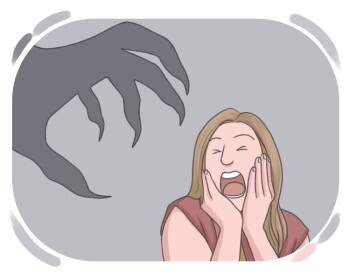
shock
shock
[Podstatné jméno]

a sudden and intense feeling of surprise, distress, or disbelief caused by something unexpected and often unpleasant

šok, překvapení
šok, překvapení

Ex: The country was in shock after the unexpected election results were announced .

Země byla v šoku po oznámení neočekávaných volebních výsledků.

horror
horror
[Podstatné jméno]

a great fear or shock

hrůza, děs

hrůza, děs

Ex: Tom felt a shiver of horror run down his spine when he stumbled upon the abandoned , decrepit house in the woods .

Tom cítil, jak mu hrůza přeběhla po páteři, když zakopl o opuštěný, zchátralý dům v lese.

annoyance
annoyance
[Podstatné jméno]

a feeling of irritation or discomfort caused by something that is bothersome, unpleasant, or disruptive

nepříjemnost, podráždění

nepříjemnost, podráždění

Ex: The frequent software glitches were an annoyance to the users .

Časté softwarové závady byly otravou pro uživatele.

regret
regret
[Podstatné jméno]

a feeling of sadness, disappointment, or remorse about something that has happened or been done

lítost, žal

lítost, žal

Ex: Even years later , the memory filled him with sharp regret.

I po letech ho vzpomínka naplnila ostrým lítostí.

misery
misery
[Podstatné jméno]

great discomfort or pain

utrpení, bolest

utrpení, bolest

Ex: War brings not just death , but widespread misery to civilians .

Válka nepřináší jen smrt, ale také rozšířené utrpení pro civilisty.

loneliness
loneliness
[Podstatné jméno]

a sense of sadness or melancholy arising from being alone or lacking companionship

osamělost, izolace

osamělost, izolace

Ex: Even in a bustling crowd , Tom could n't shake off the overwhelming loneliness that accompanied him everywhere .

I v hlučném davu se Tom nemohl zbavit ohromující osamělosti, která ho provázela všude.

insecurity
insecurity
[Podstatné jméno]

anxiety caused by feelings of self-doubt and lack of confidence

nejistota, nedostatek sebevědomí

nejistota, nedostatek sebevědomí

Ex: His insecurity in relationships stemmed from past betrayals .

Jeho nejistota ve vztazích pramenila z minulých zrad.

distress
distress
[Podstatné jméno]

a state of extreme emotional pain or suffering

utrpení, strast

utrpení, strast

Ex: His face showed clear signs of distress.

Jeho tvář vykazovala jasné známky tísně.

disappointment
disappointment
[Podstatné jméno]

dissatisfaction that is resulted from the unfulfillment of one's expectations

zklamání

zklamání

Ex: Despite the disappointment of not winning the competition , she was proud of how much she had learned .

Navzdory zklamání z toho, že nevyhrála soutěž, byla hrdá na to, kolik se naučila.

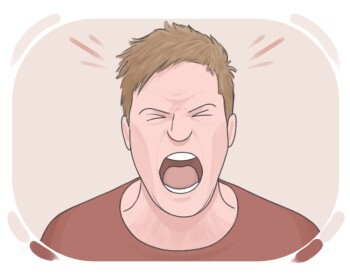
anger
anger
[Podstatné jméno]

a strong feeling that we have when something bad has happened, so we might be unkind to someone or harm them

hněv, vztek

hněv, vztek

Ex: Expressing anger in a healthy way can help release pent-up frustration and tension .

Vyjádření hněvu zdravým způsobem může pomoci uvolnit nahromaděnou frustraci a napětí.

hopelessness
hopelessness
[Podstatné jméno]

a state of mind in which one feels that there is no possibility for positive change or improvement

beznadějnost,  zoufalství

beznadějnost, zoufalství

Ex: Poverty can create cycles of hopelessness that feel impossible to escape .

Chudoba může vytvářet cykly beznaděje, které se zdají nemožné uniknout.
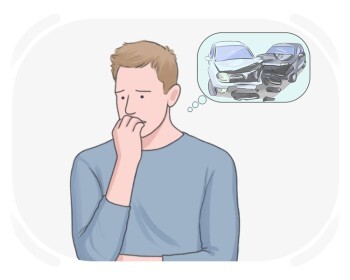
worry
worry
[Podstatné jméno]

the state of feeling anxiety

starost,  úzkost

starost, úzkost

Ex: His worry about the exam results was unnecessary , as he passed easily .

Jeho obava z výsledků zkoušky byla zbytečná, protože prošel snadno.

anxiety
anxiety
[Podstatné jméno]

a feeling of nervousness or worry about a future event or uncertain outcome

úzkost, obava

úzkost, obava

Ex: The tight deadline caused a wave of anxiety to wash over him , making it hard to focus .

Těsný termín způsobil vlnu úzkosti, která ho zaplavila, a ztížila soustředění.

fear
fear
[Podstatné jméno]

a bad feeling that we get when we are afraid or worried

strach, obava

strach, obava

Ex: His fear of public speaking caused him to avoid presentations and speeches .

Jeho strach z veřejného vystupování ho vedl k vyhýbání se prezentacím a projevům.

shame
shame
[Podstatné jméno]

an uneasy feeling that we get because of our own or someone else's mistake or bad manner

hanba

hanba

Ex: Overcoming feelings of shame often requires self-compassion and forgiveness .

Překonání pocitů studu často vyžaduje sebelítost a odpuštění.

heartache
heartache
[Podstatné jméno]

a feeling of great sorrow or sadness usually caused by the loss of a loved one

žal, bolest srdce

žal, bolest srdce

Ex: No medicine could ease the heartache of watching her child suffer .

Žádný lék nemohl zmírnit bolest srdce z pozorování, jak její dítě trpí.
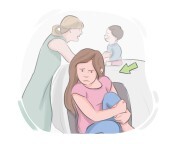
envy
envy
[Podstatné jméno]

a feeling of dissatisfaction, unhappiness, or anger that one might have as a result of wanting what others have

závist

závist

Ex: Overcoming envy involves appreciating one 's own strengths and accomplishments rather than comparing oneself to others .

Překonání závisti zahrnuje ocenění vlastních sil a úspěchů namísto srovnávání se s ostatními.

hatred
hatred
[Podstatné jméno]

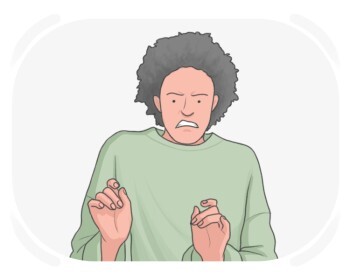
a very strong feeling of dislike

nenávist, odpor
nenávist, odpor

Ex: Overcoming hatred requires empathy , understanding , and forgiveness .

Překonání nenávisti vyžaduje empatii, porozumění a odpuštění.

disgust
disgust
[Podstatné jméno]

a strong feeling of distaste for someone or something

odpor, znechucení

odpor, znechucení

Ex: She felt a wave of disgust wash over her as she discovered the unsanitary conditions of the public restroom.

Cítila, jak ji zalila vlna znechucení, když objevila nehygienické podmínky ve veřejných toaletách.

tension
tension
[Podstatné jméno]

(psychology) a strong feeling of stress or pressure

napětí

napětí

Ex: Social media debates thrive on manufactured tension and outrage .

Debaty na sociálních sítích prosperují díky vyrobenému napětí a rozhořčení.

sorrow
sorrow
[Podstatné jméno]

a feeling of extreme sadness caused by something unpleasant

smutek, žal

smutek, žal

Ex: The entire community shared in the sorrow of the tragedy .

Celá komunita sdílela smutek nad tragédií.

dread
dread
[Podstatné jméno]

an intensely unpleasant emotion in response to danger or threat

děs, strach

děs, strach

Ex: The eerie silence of the abandoned house stirred a deep dread in the children .

Strašidelný klid opuštěného domu vzbudil v dětech hlubokou hrůzu.

LanGeek
Stáhnout aplikaci LanGeek