pattern

Cambridge IELTS 15 - Akademický - Test 3 - Poslech - Část 4

Zde najdete slovní zásobu z Testu 3 - Poslech - Část 4 v učebnici Cambridge IELTS 15 - Academic, která vám pomůže připravit se na vaši zkoušku IELTS.

Revize

Kartičky

tvary

Pravopis

Kvíz

Začněte se učit
Cambridge IELTS 15 - Academic
cleanliness
cleanliness
[Podstatné jméno]

diligence in keeping clean

čistota, upravenost

čistota, upravenost

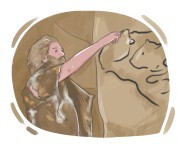
prehistoric
prehistoric
[Přídavné jméno]

relating or belonging to the time before history was recorded

pravěký, prehistorický

pravěký, prehistorický

Ex: Researchers use carbon dating to determine the age of prehistoric artifacts .

Vědci používají uhlíkové datování k určení stáří pravěkých artefaktů.
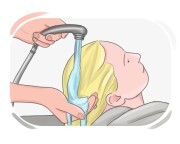
cleansing
cleansing
[Přídavné jméno]

acting like an antiseptic

čisticí, dezinfekční

čisticí, dezinfekční

to rinse
to rinse
[sloveso]

to clean something quickly with water, often without using soap, in order to remove dirt or other substances

opláchnout, rychle umýt

opláchnout, rychle umýt

Ex: After playing in the mud , the children rinsed their hands at the outdoor faucet before going inside .

Po hraní v blátě si děti opláchly ruce u venkovního kohoutku, než vešly dovnitř.

before Christ
before Christ
[Příslovce]

marking the years before Christ's supposed birth

před naším letopočtem

před naším letopočtem

Ex: The ancient city of Rome was traditionally founded in 753 BC.

Starověké město Řím bylo tradičně založeno v roce 753 před naším letopočtem.

cylinder
cylinder
[Podstatné jméno]

(geometry) a solid or hollow shape with two circular bases at each end and straight parallel sides

válec, válcový tvar

válec, válcový tvar

Ex: The ancient columns were made in the shape of massive stone cylinders, supporting the grand structure .

Starověké sloupy byly vyrobeny ve tvaru masivních kamenných válců, podpírajících velkolepou strukturu.

inscription
inscription
[Podstatné jméno]

words, letters, or symbols that are engraved, carved, or written on a surface, often for commemorative, informational, or decorative purposes

nápis, rytina

nápis, rytina

Ex: The memorial statue featured an inscription honoring the fallen soldiers of the war .

Pamětní socha obsahovala nápis na počest padlých vojáků války.

ash
ash
[Podstatné jméno]

a grey powder that is produced as a result of a substance getting burned

popel, šedý prášek po spálení

popel, šedý prášek po spálení

Ex: After the wildfire , the forest was blanketed in ash.

Po požáru byl les pokryt popel.

reference
reference
[Podstatné jméno]

a mention or citation of something, often to provide context or support for an idea

odkaz, citace
odkaz, citace

Ex: He used a reference from the dictionary to explain the term .

Použil odkaz ze slovníku, aby vysvětlil termín.

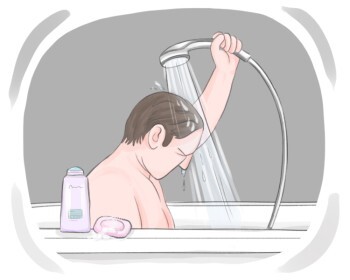
to bathe
to bathe
[sloveso]

to wash or clean the body by putting it in water or pouring water over it

koupat se, mýt se

koupat se, mýt se

Ex: He prefers to bathe in the morning to start his day feeling refreshed .

Raději se koupe ráno, aby začal svůj den osvěžený.

aesthetic
aesthetic
[Přídavné jméno]

relating to the enjoyment or appreciation of beauty or art, especially visual art

estetický

estetický

Ex: Her blog is dedicated to exploring the aesthetic aspects of contemporary architecture .

Její blog je věnován zkoumání estetických aspektů současné architektury.

apparently
apparently
[Příslovce]

used to convey that something seems to be true based on the available evidence or information

zřejmě, patrně

zřejmě, patrně

Ex: The restaurant is apparently famous for its seafood dishes .

Restaurace je zřejmě proslulá svými pokrmy z mořských plodů.

block
block
[Podstatné jméno]

a large solid piece of material that is square or rectangular in shape and has flat sides

blok, kostka
blok, kostka

Ex: They moved the heavy granite block with a forklift .

Přesunuli těžký žulový blok s vysokozdvižným vozíkem.

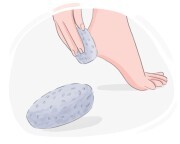
pumice
pumice
[Podstatné jméno]

a volcanic stone that is used to rub and polish the skin in order to make it clean and smooth

pemza, pemzový kámen

pemza, pemzový kámen

to anoint
to anoint
[sloveso]

to apply oil, ointment, or a similar substance in a religious or ceremonial act

pomazat, posvětit

pomazat, posvětit

Ex: By the time the ceremony ended , the minister had anointed all the newborns with consecrated oil .

Když obřad skončil, ministr pomazal všechny novorozence posvěceným olejem.

to scrape
to scrape
[sloveso]

to remove a thin layer or small amount of something from a surface using a sharp or rough edge

škrábat, seškrabat

škrábat, seškrabat

Ex: She scrapes the mud off her shoes before entering the house .

Ona škrábe bláto z bot, než vstoupí do domu.

instrument
instrument
[Podstatné jméno]

a device or tool that requires specific knowledge on how to be used

nástroj, přístroj
nástroj, přístroj

Ex: The laboratory technician handled the delicate instrument with care to avoid any errors .

Laboratorní technik zacházel s křehkým nástrojem opatrně, aby se vyhnul chybám.

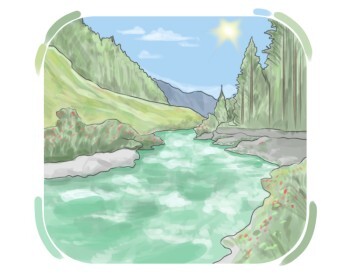
stream
stream
[Podstatné jméno]

a small and narrow river that runs on or under the earth

potok, říčka

potok, říčka

Ex: A small stream flows behind their house .

Za jejich domem teče malý potok.

to credit
to credit
[sloveso]

to acknowledge someone as the source, agent, or possessor of an action, achievement, or quality

připisovat, uznávat

připisovat, uznávat

Ex: The professor credited the student with the original research findings presented in the academic paper .

Profesor připsal studentovi původní výzkumné výsledky uvedené v akademickém článku.

to tint
to tint
[sloveso]

to color someone's hair using a chemical

tónovat, barvit

tónovat, barvit

Ex: Over time , the sun has tinted her hair to a lighter tone .

Postupem času slunce obarvilo její vlasy na světlejší odstín.

legend
legend
[Podstatné jméno]

an old story that is sometimes considered historical although it is not usually proved to be true

legenda, mýtus

legenda, mýtus

to sacrifice
to sacrifice
[sloveso]

to kill an animal or person as a religious act

obětovat, obětovat

obětovat, obětovat

Ex: The tribe believed that sacrificing a warrior would ensure victory in battle .

Kmen věřil, že obětování válečníka zajistí vítězství v bitvě.

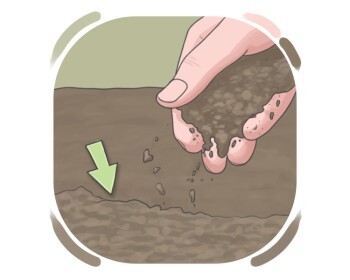
deposit
deposit
[Podstatné jméno]

a layer of matter that has been accumulated, particularly by a body of water

usazenina, ložisko
usazenina, ložisko

Ex: Engineers study sediment deposits in rivers to predict flooding risks .

Inženýři studují usazeniny v řekách, aby předpověděli rizika povodní.

soil
soil
[Podstatné jméno]

the black or brownish substance consisted of organic remains, rock particles, and clay that forms the upper layer of earth where trees or other plants grow

půda, země

půda, země

Ex: Farmers test the soil regularly to ensure it has the necessary nutrients for crops .

Zemědělci pravidelně testují půdu, aby zajistili, že obsahuje potřebné živiny pro plodiny.

civilization
civilization
[Podstatné jméno]

a society that has developed its own culture and institutions in a particular period of time or place

civilizace, společnost

civilizace, společnost

Ex: The rise of civilization in Mesopotamia marked the beginning of recorded history .

Vzestup civilizace v Mezopotámii znamenal počátek zaznamenané historie.

to advance
to advance
[sloveso]

to move towards a goal or desired outcome

postupovat, pokročit
postupovat, pokročit

Ex: As the marathon runners approached the finish line , their determination drove them to advance at an impressive pace .

Jak se maratonští běžci blížili k cílové čáře, jejich odhodlání je pohánělo k postupu působivým tempem.

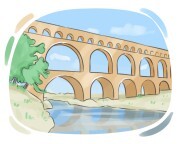
aqueduct
aqueduct
[Podstatné jméno]

a channel or pipeline used to transport water over a long distance, usually from a remote source to a town or city

akvadukt, vodovod

akvadukt, vodovod

Ex: Villagers relied on the aqueduct for their daily supply of water .

Vesničané se spoléhali na akvadukt pro svou denní dodávku vody.
luxurious
luxurious
[Přídavné jméno]

extremely comfortable, elegant, and often made with high-quality materials or features

luxusní, přepychový

luxusní, přepychový

Ex: He enjoyed a luxurious lifestyle , traveling in private jets and staying at five-star hotels .

Užíval si luxusní životní styl, cestoval soukromými tryskáči a bydlel v pětihvězdičkových hotelech.

anno Domini
anno Domini
[Příslovce]

used to refer to a date that is after the birth of Jesus Christ

našeho letopočtu, n. l.

našeho letopočtu, n. l.

Ex: The Renaissance, a period of cultural and intellectual flourishing, occurred in Europe from the 14th to the 17th centuries AD, leading to significant advancements in art, science, and philosophy.

Renesance, období kulturního a intelektuálního rozkvětu, se odehrála v Evropě od 14. do 17. století našeho letopočtu, což vedlo k významnému pokroku v umění, vědě a filozofii.

medicinal
medicinal
[Přídavné jméno]

having properties or qualities suitable for treating or curing illnesses or promoting health

léčivý

léčivý

Ex: The company specializes in producing medicinal supplements derived from natural sources .

Společnost se specializuje na výrobu léčivých doplňků pocházejících z přírodních zdrojů.
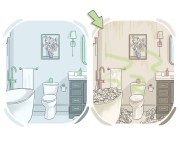
filth
filth
[Podstatné jméno]

any substance that is dirty, disgusting, or unpleasant

špína, nečistota

špína, nečistota

Ex: The detective carefully sifted through the filth of the crime scene , searching for clues amidst the chaos and disorder .

Detektiv pečlivě proseval špínu na místě činu a hledal stopy uprostřed chaosu a nepořádku.

unsanitary
unsanitary
[Přídavné jméno]

not sanitary or healthful

nehygienický, nezdravý

nehygienický, nezdravý

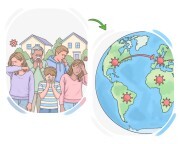
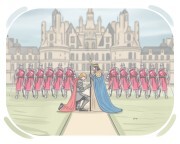
outbreak
outbreak
[Podstatné jméno]

the unexpected start of something terrible, such as a disease

vypuknutí, epidemie
vypuknutí, epidemie

Ex: The outbreak of wildfires prompted emergency evacuations across the region .

Vypuknutí lesních požárů vyvolalo nouzové evakuace v celém regionu.

the Middle Ages
the Middle Ages
[Podstatné jméno]

an era in European history, between about AD 1000 and AD 1500, when the authority of kings, people of high rank, and the Christian Church was unquestionable

středověk, středověké období

středověk, středověké období

Ex: The Black Death was a devastating pandemic that struck Europe in the late Middle Ages, killing millions.

Černá smrt byla zničující pandemie, která zasáhla Evropu na konci středověku a zabila miliony lidí.

black death
black death
[Podstatné jméno]

the epidemic form of bubonic plague experienced during the Middle Ages when it killed nearly half the people of western Europe

černá smrt, černý mor

černá smrt, černý mor

established
established
[Přídavné jméno]

widely acknowledged as valid or customary

ustálený, uznávaný

ustálený, uznávaný

Ex: The artist gained recognition for breaking away from established artistic norms and introducing innovative techniques .

Umělec získal uznání za to, že se odklonil od ustálených uměleckých norem a představil inovativní techniky.
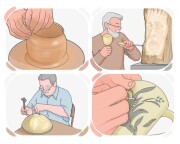
craft
craft
[Podstatné jméno]

a practice requiring experience and skill, in which objects are made with one's hands

řemeslo, ruční práce

řemeslo, ruční práce

Ex: The market showcased local crafts, from handmade jewelry to ceramics .

Trh představil místní řemesla, od ručně vyráběných šperků po keramiku.

laundering
laundering
[Podstatné jméno]

washing clothes and bed linens

praní, mytí

praní, mytí

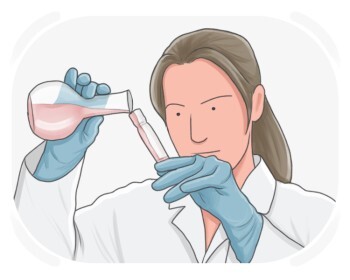
chemist
chemist
[Podstatné jméno]

a scientist who studies chemistry

chemik, vědec v oboru chemie

chemik, vědec v oboru chemie

Ex: The young chemist won a prize for her research .

Mladá chemická vyhrála cenu za svůj výzkum.

to patent
to patent
[sloveso]

to officially grant legal rights for an invention, innovation, or process

patentovat, udělit patent na

patentovat, udělit patent na

Ex: The authority patented the unique manufacturing process to the company , giving them exclusive rights .

Úřad patentoval jedinečný výrobní proces pro společnost, čímž jí udělil výhradní práva.

soda ash
soda ash
[Podstatné jméno]

a sodium salt of carbonic acid; used in making soap powders and glass and paper

uhličitan sodný, soda

uhličitan sodný, soda

alkali
alkali
[Podstatné jméno]

any water-soluble compound that can turn litmus blue and reacts with an acid to form a salt and water

alkálie, zásada

alkálie, zásada

Ex: Mixing an alkali with vinegar produces a salt and water .

Smíchání alkálie s octem vytváří sůl a vodu.

glycerine
glycerine
[Podstatné jméno]

a sweet syrupy trihydroxy alcohol obtained by saponification of fats and oils

glycerin, glycerol

glycerin, glycerol

fatty acid
fatty acid
[Podstatné jméno]

a type of acid that is found in nuts, fish, some fruits, etc.

mastná kyselina, lipidová kyselina

mastná kyselina, lipidová kyselina

basis
basis
[Podstatné jméno]

a consistent method, system, or way of doing something

základ, báze

základ, báze

Ex: We communicate with clients on a daily basis.

S klienty komunikujeme na denní bázi.

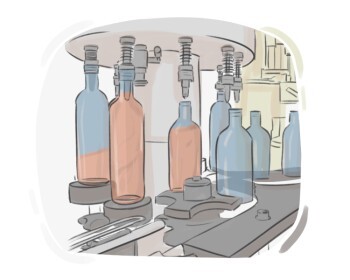
to manufacture

to produce products in large quantities by using machinery

vyrábět, produkovat

vyrábět, produkovat

Ex: They manufacture medical equipment for hospitals .

Vyrábějí zdravotnické vybavení pro nemocnice.

to regard as
to regard as
[sloveso]

to think of someone or something in a particular way

považovat za, vidět jako

považovat za, vidět jako

Ex: The movie is regarded as a classic .

Film je považován za klasiku.

to tax
to tax
[sloveso]

to impose a financial charge by the government on income, goods, services, or properties to generate revenue for public services and functions

zdanit, vyměřit daň

zdanit, vyměřit daň

Ex: Property owners are taxed based on the assessed value of their real estate.

Vlastníci nemovitostí jsou zdaněni na základě odhadované hodnoty jejich nemovitosti.

readily
readily
[Příslovce]

with little difficulty or trouble

snadno, bez obtíží

snadno, bez obtíží

Ex: The stains did not wash out as readily as expected .

Skvrny nevypraly tak snadno, jak se očekávalo.

necessity
necessity
[Podstatné jméno]

a thing that is essential or required for basic living or functioning

nutnost, potřeba

nutnost, potřeba

Ex: In cold climates , heating becomes an absolute necessity during winter .

V chladném podnebí se vytápění v zimě stává absolutní nutností.

to reinforce
to reinforce
[sloveso]

to enhance or make something more effective by providing additional resources, encouragement, or positive feedback

posílit, zesílit

posílit, zesílit

Ex: Studying regularly helps reinforce understanding and memory .

Pravidelné studium pomáhá posilovat porozumění a paměť.

mild
mild
[Přídavné jméno]

having a gentle or not very strong effect

mírný, jemný

mírný, jemný

Ex: The earthquake was mild, causing no significant damage .

Zemětřesení bylo mírné, nezpůsobilo žádné významné škody.

turn of the century
turn of the century
[Podstatné jméno]

the period from about ten years before to ten years after a new century

přelom století, změna století

přelom století, změna století

excavation
excavation
[Podstatné jméno]

the act of digging

výkop

výkop

LanGeek
Stáhnout aplikaci LanGeek