
Cambridge IELTS 15 - Academic - Test 3 - Listening - Part 4
Learn vocabulary from Cambridge IELTS 15 Academic, Test 3 Listening Part 4, and review useful words and expressions from this section of the practice test.
Review
Flashcards
Forms
Spelling
Quiz

the condition of being clean or the regular practice of maintaining that condition
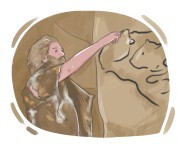
relating or belonging to the time before history was recorded
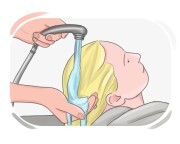
to clean something quickly with water, often without using soap, in order to remove dirt or other substances

marking the years before Christ's supposed birth

a three-dimensional shape with two parallel circular ends joined by a curved surface
words, letters, or symbols that are engraved, carved, or written on a surface, often for commemorative, informational, or decorative purposes
the gray or black powdery residue left after something has burned
a mention or citation of something, often to provide context or support for an idea

to wash or clean the body by putting it in water or pouring water over it
relating to the enjoyment or appreciation of beauty or art, especially visual art

used to convey that something seems to be true based on the available evidence or information
a large solid piece of material that is square or rectangular in shape and has flat sides
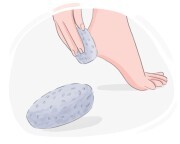
a volcanic stone that is used to rub and polish the skin in order to make it clean and smooth
to apply oil, ointment, or a similar substance in a religious or ceremonial act
to remove a thin layer or small amount of something from a surface using a sharp or rough edge

a device or tool that requires specific knowledge on how to be used
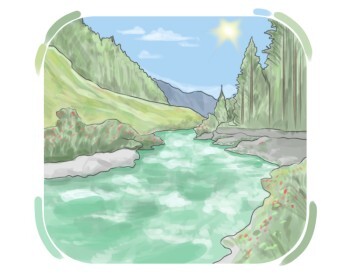
a small and narrow river that runs on or under the earth
to acknowledge someone as the source, agent, or possessor of an action, achievement, or quality

to color someone's hair using a chemical
a traditional story about people or events that may have some historical basis but cannot be proved true
to kill a person or animal and offer them to a deity as part of a religious ritual
a layer of matter that has been accumulated, particularly by a body of water
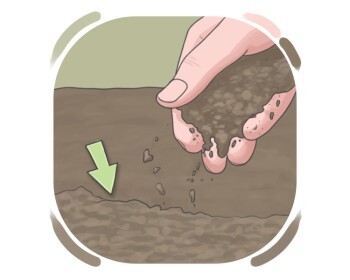
the black or brownish substance consisted of organic remains, rock particles, and clay that forms the upper layer of earth where trees or other plants grow
a society that has developed its own culture and institutions in a particular period of time or place
to move towards a goal or desired outcome
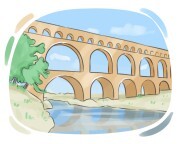
a channel or pipeline used to transport water over a long distance, usually from a remote source to a town or city
extremely comfortable, elegant, and often made with high-quality materials or features

used to refer to a date that is after the birth of Jesus Christ
having properties or qualities suitable for treating or curing illnesses or promoting health
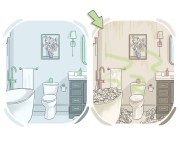
any substance that is dirty, disgusting, or unpleasant
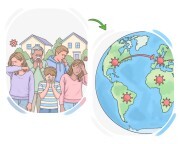
the unexpected start of something terrible, such as a disease

an era in European history, between about AD 1000 and AD 1500, when the authority of kings, people of high rank, and the Christian Church was unquestionable
the epidemic form of bubonic plague experienced during the Middle Ages when it killed nearly half the people of western Europe
widely acknowledged as valid or customary
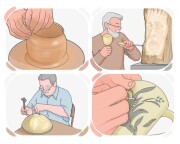
an activity, occupation, or trade that requires skill and experience, especially in making things by hand
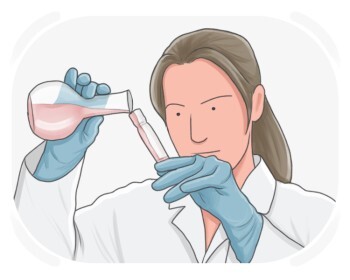
a scientist who studies chemistry or works professionally with chemical substances and reactions
to officially grant patent rights for an invention, process, or design
any water-soluble compound that can turn litmus blue and reacts with an acid to form a salt and water
a consistent method, system, or way of doing something
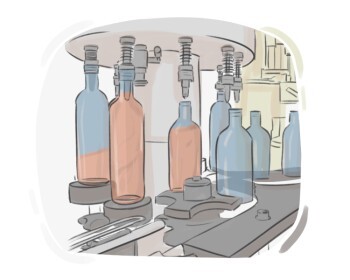
to produce goods in large quantities, especially in a factory using machinery
to think of someone or something in a particular way

to impose a financial charge by the government on income, goods, services, or properties to generate revenue for public services and functions

something essential or required for living or for a particular purpose
to make an idea, feeling, behavior, or effect stronger by providing support or encouragement

not severe, strong, intense, or extreme in degree or effect
