
Certeza y Posibilidad - Expectativas
Domina los modismos en inglés sobre expectativas, como "dar la talla" y "lo esperado".
Repasar
Tarjetas de memoria
Cuestionario

to believe that someone is capable of doing something, especially something negative or unexpected, based on their past behavior or character

no me extrañaría de alguien, ser capaz de esperarlo de alguien
No dejes las llaves ahí; no me extrañaría que los niños las escondieran.

to judge or evaluate others based on one's own standards, abilities, or achievements, without considering their unique circumstances or perspectives
medir a los demás con su propia vara, juzgar a otros por su propio rasero
Medía a los demás con su propia vara, olvidando que ella tenía años de experiencia que ellos no tenían.

to meet expectations or perform satisfactorily in a given task or situation
dar la talla, estar a la altura
El equipo necesita un delantero que dé la talla en los grandes partidos.
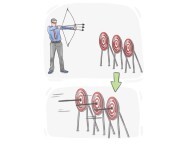
to succeed in reaching the desired result
estar a la altura, dar la talla
Trabajó duro todo el año y al final dio la talla.
to expect another problem, disappointment, or bad event to happen

(of a person or thing) having a flashy or showy exterior, but when examined closely or experienced fully, it fails to meet expectations or deliver on its promises
mucho ruido y pocas nueces, pura fachada
La web del hotel parecía lujosa, pero el lugar en sí era pura fachada.

used of a situation, outcome, or behavior that is considered typical, expected, or unsurprising given the circumstances
lo normal, era de esperar
Su sarcasmo es lo normal en reuniones como esta.
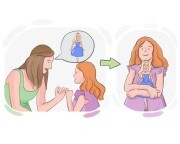
to deliver what was promised or expected, especially when it comes to achieving a particular result or fulfilling an obligation
cumplir con lo prometido, dar el resultado esperado
Si el nuevo gerente cumple con lo esperado, el departamento quizá por fin se recupere.
used to express annoyance when someone does something foolish or irritating that is typical of their behavior
behaving or happening in a way that is entirely consistent with someone's usual character, habits, or established pattern of behavior
to perform exactly as described, promised, or expected, without being misleading or failing to deliver the intended result
used to express annoyance or disappointment when something unpleasant or predictable happens, suggesting that one should have expected it
used to warn someone against becoming too optimistic or excited about something because it is unlikely to happen or turn out as desired
to continue wishing for a particular outcome despite knowing that it is extremely unlikely to happen
used to express annoyance, amusement, or resignation when someone does something typical of their character, especially something foolish, inconvenient, or embarrassing
