pattern

Acuerdo y Desacuerdo - Desacuerdo y Oposición 4

Aquí aprenderás algunas palabras en inglés relacionadas con el desacuerdo y la oposición, como "joust", "incident" y "hostile".

Revisión

Tarjetas de memoria

Ortografía

Cuestionario
Empezar a aprender
Words Related to Agreement and Disagreement
head-to-head
head-to-head
[Adjetivo]

involving direct confrontation between two sides

cara a cara, directo

cara a cara, directo

heretical
heretical
[Adjetivo]

opposite to what is widely accepted

herético

herético

heterodox
heterodox
[Adjetivo]

diverging from established norms

heterodoxo

heterodoxo

Ex: Scholars criticized her heterodox interpretation of ancient texts as too far removed from the accepted commentary. 

Los eruditos criticaron su interpretación heterodoxa de los textos antiguos por estar demasiado alejada del comentario aceptado.

heterodoxy
heterodoxy
[Sustantivo]

the practice of holding and expressing beliefs that differ from established or conventional norms

heterodoxia, disidencia

heterodoxia, disidencia

Ex: In the world of economics, his theories stood out for their clear heterodoxy, challenging long-held beliefs. 

En el mundo de la economía, sus teorías se destacaron por su clara heterodoxia, desafiando creencias arraigadas.
hostile
hostile
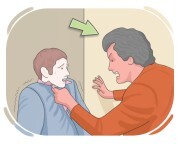
[Adjetivo]

unfriendly, antagonistic, or aggressive toward someone or something

agresivo

agresivo

Ex: The dog grew hostile when the stranger approached the gate. 
hostility
hostility
[Sustantivo]

unfriendly or antagonistic feelings, attitudes, or behavior toward someone or something

hostilidad

hostilidad

Ex: Daniel responded calmly despite the open hostility toward him. 
hot button
hot button
[Sustantivo]

a matter or problem about which people argue a lot and have strong feelings

tema candente

tema candente

I beg to (differ|disagree)
I beg to differ
[Oración]

used to politely express disagreement with what has just been stated

permíteme discrepar, con todo respeto, no estoy de acuerdo

permíteme discrepar, con todo respeto, no estoy de acuerdo

Ex: I beg to differ with the idea that younger employees lack discipline. 

Permíteme discrepar de la idea de que los empleados jóvenes carecen de disciplina.

ill feelings
ill feelings
[Sustantivo]

feeling of anger between people, particularly because of an argument

rencor, hostilidad

rencor, hostilidad

impasse
impasse
[Sustantivo]

a difficult situation in which opposing parties cannot reach an agreement

impasse, punto muerto

impasse, punto muerto

Ex: Their relationship hit an emotional impasse, and they decided to separate. 

Su relación llegó a un impasse emocional y decidieron separarse.

incident
incident
[Sustantivo]

a strong disagreement or conflict between two countries that often involves military action

incidente

incidente

Ex: The naval incident in disputed waters has prompted both governments to call for urgent negotiations to prevent further escalation. 
infighting
infighting
[Sustantivo]

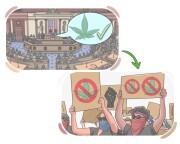
bitter disagreement or rivalry among members of the same group or organization

lucha interna
lucha interna

Ex: The company lost several executives because of internal infighting. 
in opposition to {sb/sth}

used to convay that one is strongly against someone or something

en contra de

en contra de

Ex: The candidate's platform is in opposition to increased taxation. 

La plataforma del candidato está en oposición a un aumento de impuestos.

in the wrong {~noun}

deserving blame for a mistake, argument, accident, etc.

culpable

culpable

Ex: She felt she was in the wrong after seeing how upset he was. 
irreconcilable
irreconcilable
[Adjetivo]

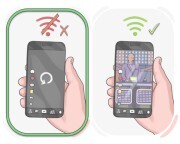
(of ideas, positions, etc.) extremely different in a way that reaching an agreement is impossible

irreconciliable, inconciliable
irreconciliable, inconciliable

issue
issue
[Sustantivo]

problems or difficulties that arise, especially in relation to a service or facility, which require resolution or attention

problema

problema

Ex: The hotel management addressed the issue of the malfunctioning air conditioning units. 
to joust
to joust
[Verbo]

to argue with another person, particularly in a formal occasion such as a debate

pelear

pelear

to [lock] horns

to become involved in an argument or fight with someone

chocar con alguien, enfrentarse con alguien

chocar con alguien, enfrentarse con alguien

Ex: The two coaches locked horns after the referee's decision. 

Los dos entrenadores chocaron después de la decisión del árbitro.

to look for trouble

to act or behave in a way that is likely to cause a problem, fight, or argument

buscar problemas

buscar problemas

to [make] mincemeat (out|) of {sb/sth}

to completely defeat or win against someone or something in a convincing and overwhelming manner, whether it be in a competition, argument, game, or other activity

hacer trizas, arrasar con

hacer trizas, arrasar con

Ex: The new software made mincemeat of the old system. 

El nuevo software hizo trizas al sistema antiguo.

mano a mano
mano a mano
[Adverbio]

‌with only two sides confronting one another

mano a mano

mano a mano

mano-a-mano
mano-a-mano
[Sustantivo]

a contest or fight between two sides

mano a mano

mano a mano

minority report
minority report
[Sustantivo]

a report presented by members of a group who do not agree with the majority

dictamen en minoría

dictamen en minoría

misunderstanding
misunderstanding
[Sustantivo]

a minor disagreement or conflict

desacuerdo, diferencia

desacuerdo, diferencia

Ex: The misunderstanding was resolved after talking it through. 

El malentendido se resolvió después de hablarlo.

to mix it up

to start a fight or argument with someone

agarrarse a los golpes

agarrarse a los golpes

moot point
moot point
[Sustantivo]

a subject about which there are different opinions or disagreements

punto discutible, tema controvertido

punto discutible, tema controvertido

Ex: For years, the cause of the illness was a moot point among researchers. 

Durante años, la causa de la enfermedad fue un punto discutible entre los investigadores.

monkey in the middle

a person who is in the middle of two fighting or arguing sides

el que queda en medio, atrapado entre dos bandos

el que queda en medio, atrapado entre dos bandos

Ex: Please do not make me the monkey in the middle of your fight. 

Por favor, no me pongáis en medio de vuestra pelea.

negation
negation
[Sustantivo]

the act of expressing disagreement or contradiction through speech

negación

negación

Ex: The witness's testimony provided a strong negation of the defendant's alibi. 

El testimonio del testigo proporcionó una fuerte negación de la coartada del acusado.

negative
negative
[Adjetivo]

indicating or implying refusal, denial, disagreement, or omission

negativo

negativo

Ex: Management received a negative report about the plan. 
to negative

to refuse to accept a request or proposal

rechazar
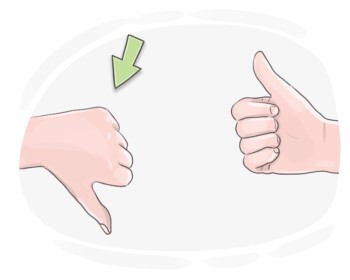
rechazar

Ex: The committee negatived the motion to change the schedule. 
to niggle
to niggle
[Verbo]

to argue over an unimportant thing or criticize someone for it

reñir, discutir

reñir, discutir

no
no
[interjección]

used to indicate denial, refusal, or disagreement in response to a question or offer

no

no

Ex: Is he coming with us?  — No, he's staying home. 
no hard feelings

used to tell a person that one does not want any resentment to remain between them after arguing with them or defeating them in a contest

sin rencores, sin malos sentimientos

sin rencores, sin malos sentimientos

Ex: She said no hard feelings and shook his hand. 

Dijo sin rencores y le estrechó la mano.

not likely
not likely
[interjección]

used to express strong disagreement with a suggestion or statement

¡ni hablar!
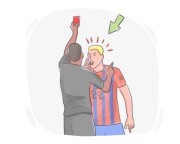
¡ni hablar!

to object
to object
[Verbo]

to express disapproval of something

objetar

objetar

Ex: Residents of the neighborhood gathered to object to the construction of a noisy factory in their vicinity. 
OK
OK
[interjección]

used to acknowledge what someone has said, especially to signal that no further explanation, criticism, or argument is wanted

OK,  vale

OK, vale

Ex: "You need to be more careful next time."  "OK, I get it." 
opponent
opponent
[Sustantivo]

someone who disagrees with a system, plan, etc. and intends to put an end to it or change it

adversario, oponente
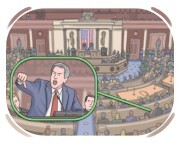
adversario, oponente

Ex: The politician's strongest opponent criticized his policies openly. 
to oppose
to oppose
[Verbo]

to strongly disagree with a policy, plan, idea, etc. and try to prevent or change it

oponerse a

oponerse a

Ex: The senator opposed the bill, citing its potential negative impact on the economy. 
opposed
opposed
[Adjetivo]

trying to stop something because one strongly disagrees with it

opuesto, en contra

opuesto, en contra

Ex: Many parents were opposed to the school's decision to implement a dress code, believing it infringed upon students' freedom of expression. 

Muchos padres se opusieron a la decisión de la escuela de implementar un código de vestimenta, creyendo que infringía la libertad de expresión de los estudiantes.

opposition
opposition
[Sustantivo]

the act of resisting, disagreeing with, or countering something

oposición

oposición

Ex: The plan met with strong opposition from local residents. 
oppositional
oppositional
[Adjetivo]

expressing strong disagreement

opuesto

opuesto

on a collision course

in a situation that is likely to cause a disagreement or fight

en rumbo de choque, en camino de enfrentamiento

en rumbo de choque, en camino de enfrentamiento

Ex: They are on a collision course that could lead to a major dispute. 

Van en rumbo de choque que puede llevar a una gran disputa.

out of hand

without consideration and hesitation

sin pensarlo dos veces, de entrada

sin pensarlo dos veces, de entrada

Ex: He refused the offer out of hand because it came from a rival. 

Rechazó la oferta de entrada porque venía de un rival.

out of sympathy with

in disagreement with

estar en desacuerdo con

estar en desacuerdo con

out of sync

in disagreement

desincronizado

desincronizado

LanGeek
Descargar la aplicación LanGeek