pattern

Agreement and Disagreement - Disagreement and Contrast

Here you will learn some English words related to disagreement and contrast such as "lock horns", "oppose", and "hostile".

Review

Flashcards

Spelling

Quiz
Start learning
Words Related to Agreement and Disagreement
head-to-head
head-to-head
[Adjective]

involving direct confrontation between two sides

Close
Sign in
heretical
heretical
[Adjective]

opposite to what is widely accepted

Close
Sign in
heterodox
heterodox
[Adjective]

diverging from established norms

Ex: Religious reformers often face condemnation for their heterodox views that challenge traditional dogma. 
Close
Sign in
heterodoxy

the practice of holding and expressing beliefs that differ from established or conventional norms
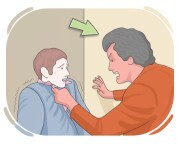
Ex: In the world of economics, his theories stood out for their clear heterodoxy, challenging long-held beliefs. 
Close
Sign in
hostile
hostile
[Adjective]

unfriendly or aggressive toward others

Ex: He's so hostile; he always responds with anger or aggression in disagreements. 
Close
Sign in
hostility
hostility
[noun]

behavior or feelings that are aggressive or unfriendly

Ex: The hostility between the two rival teams was evident throughout the entire match. 
Close
Sign in
hot button

a matter or problem about which people argue a lot and have strong feelings

Close
Sign in
I beg to (differ|disagree)
I beg to differ
[sentence]

used to politely express disagreement with what has just been stated

Ex: I beg to differ, but I believe your interpretation of the data is incorrect. 
Close
Sign in
ill feelings

feeling of anger between people, particularly because of an argument

Close
Sign in
impasse
impasse
[noun]

a difficult situation in which opposing parties cannot reach an agreement

Ex: Negotiations reached an impasse after both sides refused to budge. 
Close
Sign in
incident
incident
[noun]

a strong disagreement or conflict between two countries that often involves military action
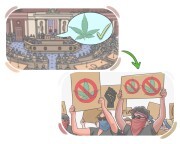
Ex: The recent border incident between the two countries has escalated tensions and led to increased military presence on both sides. 
Close
Sign in
infighting

arguments or unfriendly competition between members of a group

Close
Sign in
in opposition to {sb/sth}

used to convay that one is strongly against someone or something
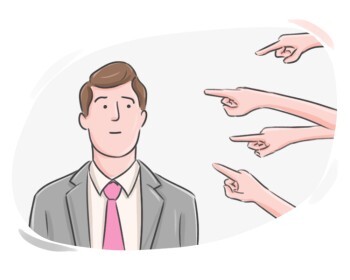
Ex: They marched in opposition to the new law. 
Close
Sign in
in the wrong {~noun}

deserving blame for a mistake, argument, accident, etc.

Ex: He was in the wrong when he accused her without any proof. 
Close
Sign in
irreconcilable
irreconcilable
[Adjective]

(of ideas, positions, etc.) extremely different in a way that reaching an agreement is impossible
Close
Sign in
issue
issue
[noun]

problems or difficulties that arise, especially in relation to a service or facility, which require resolution or attention

Ex: The internet service provider resolved the issue with the slow connection promptly. 
Close
Sign in
to joust
to joust
[Verb]

to argue with another person, particularly in a formal occasion such as a debate

Close
Sign in
to [lock] horns

to become involved in an argument or fight with someone

Ex: The two politicians locked horns during the debate, fiercely arguing over their differing approaches to economic policy. 
Close
Sign in
to look for trouble

to act or behave in a way that is likely to cause a problem, fight, or argument

Close
Sign in
to [make] mincemeat (out|) of {sb/sth}

to completely defeat or win against someone or something in a convincing and overwhelming manner, whether it be in a competition, argument, game, or other activity

Ex: The champions made mincemeat of their opponents in the final. 
Close
Sign in
mano a mano
mano a mano
[Adverb]

‌with only two sides confronting one another

Close
Sign in
mano-a-mano

a contest or fight between two sides

Close
Sign in
minority report

a report presented by members of a group who do not agree with the majority

Close
Sign in
misunderstanding

a minor disagreement or conflict

Ex: Friends sometimes have misunderstandings but reconcile quickly. 
Close
Sign in
to mix it up
to mix it up
[phrase]

to start a fight or argument with someone

Close
Sign in
moot point

a subject about which there are different opinions or disagreements

Ex: Whether we should have used a different approach in the last project is a moot point now; we need to focus on the upcoming one. 
Close
Sign in
monkey in the middle

a person who is in the middle of two fighting or arguing sides

Ex: The new employee found themselves as the monkey in the middle, caught between conflicting demands from their supervisors and co-workers. 
Close
Sign in
negation
negation
[noun]

the act of expressing disagreement or contradiction through speech
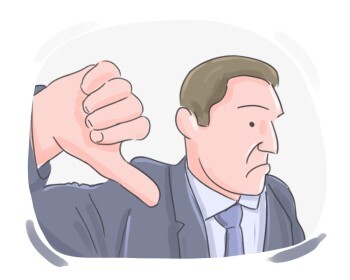
Ex: The witness's testimony provided a strong negation of the defendant's alibi. 
Close
Sign in
negative
negative
[Adjective]

indicating or implying refusal, denial, disagreement, or omission

Ex: Her response to the proposal was negative. 
Close
Sign in
to negative

to refuse to accept a request or proposal
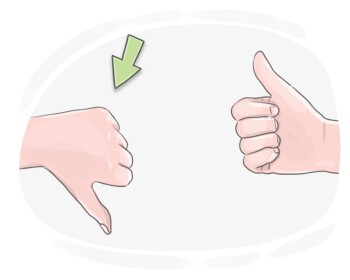
Ex: The manager negatived the proposal for additional funding. 
Close
Sign in
to niggle
to niggle
[Verb]

to argue over an unimportant thing or criticize someone for it

Close
Sign in
no
no
[interjection]

used to indicate denial, refusal, or disagreement in response to a question or offer
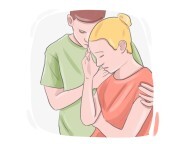
Ex: Did you call her? No. 
Close
Sign in
no hard feelings

used to tell a person that one does not want any resentment to remain between them after arguing with them or defeating them in a contest
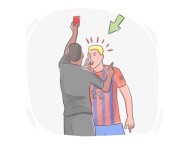
Ex: No hard feelings after the game, okay? 
Close
Sign in
not likely
not likely
[interjection]

used to express strong disagreement with a suggestion or statement

Close
Sign in
to object
to object
[Verb]

to express disapproval of something

Ex: During the meeting, several members objected to the proposed changes in the company policy. 
Close
Sign in
OK
OK
[interjection]

said to stop people from criticizing or arguing with one

Ex: "I'm just saying, we should consider—" "OK, OK, I hear you, but let me finish." 
Close
Sign in
opponent
opponent
[noun]

someone who disagrees with a system, plan, etc. and intends to put an end to it or change it
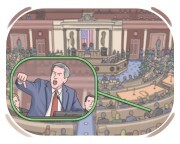
Ex: His opponent in the chess tournament was highly skilled. 
Close
Sign in
to oppose
to oppose
[Verb]

to strongly disagree with a policy, plan, idea, etc. and try to prevent or change it

Ex: The local residents opposed the construction of the new factory due to environmental concerns. 
Close
Sign in
opposed
opposed
[Adjective]

trying to stop something because one strongly disagrees with it

Ex: The community members were opposed to the construction of the new highway through their neighborhood due to concerns about increased traffic and noise pollution. 
Close
Sign in
opposition

the act of resisting, disagreeing with, or countering something

Ex: The citizens voiced opposition to the new tax. 
Close
Sign in
oppositional
oppositional
[Adjective]

expressing strong disagreement

Close
Sign in
on a collision course

in a situation that is likely to cause a disagreement or fight
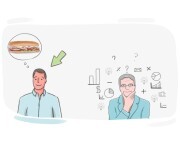
Ex: The two companies are on a collision course for a price war, with each one trying to undercut the other. 
Close
Sign in
out of hand
out of hand
[phrase]

without consideration and hesitation

Ex: The committee rejected the proposal out of hand. 
Close
Sign in
out of sympathy with

in disagreement with

Close
Sign in
out of sync
out of sync
[phrase]

in disagreement

Close
Sign in
LanGeek
Download LanGeek app