
Listahan ng mga Salita sa Antas C1 - Sakit
Dito ay matututuhan mo ang ilang mga salitang Ingles tungkol sa sakit, tulad ng "agony", "dizzy", "asthma", atbp., inihanda para sa mga mag-aaral ng antas C1.
Repasuhin
Flashcards
Pagbaybay
Pagsusulit

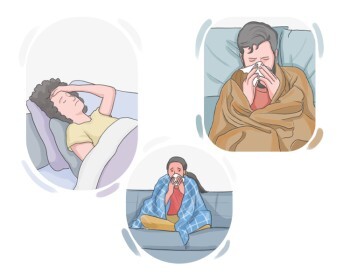
an illness, often a minor one

sakit,karamdaman
Binisita niya ang doktor upang talakayin ang kanyang patuloy na sakit sa tiyan.
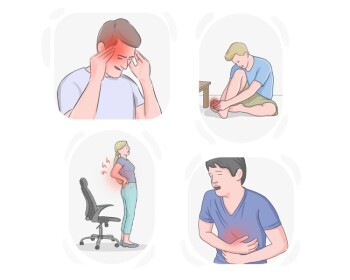
severe physical or mental pain
pagdurusa,sakit
Ang mga pasyente na may malubhang paso ay madalas na nakakaranas ng matinding hapis sa panahon ng paggamot.

a recognizable group of signs and symptoms that occur together and characterize a particular medical condition
sindrom
extremely severe, intense, or serious
matinding, malubha

(of an illness) difficult to cure and long-lasting
malalang,pangmatagalan
Ang chronic na hika ni Mary ay nangangailangan ng araw-araw na gamot upang makontrol ang kanyang mga sintomas.
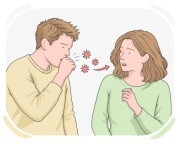
(of a disease) transmittable from one person to another through close contact
nakakahawa
Ang COVID-19 ay lubhang nakakahawa, madaling kumalat sa mga indibidwal sa mga mataong lugar.
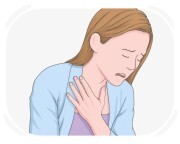
unable to breathe easily
hiningal,walang hininga
Iniwan siya ng atake sa hika na hindi makahinga at nahihirapang huminga.
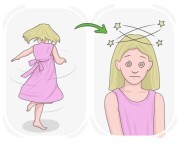
unable to keep one's balance and feeling as though everything is circling around one, caused by an illness or looking down from a high place
hilo,lula
Nakaramdam siya ng hilo at pagkahilo pagkatapos tumayo nang masyadong mabilis.
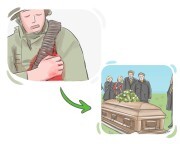
resulting in death
nakamamatay,malagim
Ang aksidente sa kotse ay nagdulot ng nakamamatay na mga pinsala sa driver, na nagresulta sa kanilang kamatayan sa lugar.
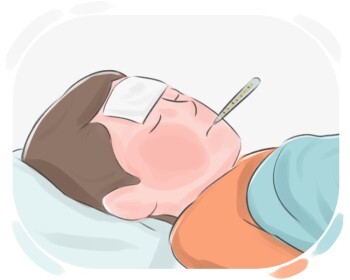
having or caused by a fever
may lagnat,nilalagnat
Naramdaman niyang lagnat at nilalamig siya pagkatapos magkaroon ng trangkaso.
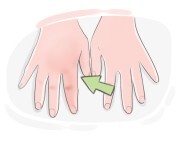
(of a part of the body) unusually large, particularly because of an injury or illness
namamaga,magang
Pagkatapos maipit ang kanyang bukung-bukong, ang paa ni Sarah ay naging namamaga at masakit.
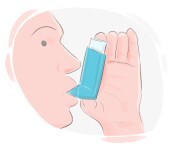
a disease that causes shortness of breath and difficulty in breathing
hika,sakit sa paghinga
Ang hika ay isang talamak na sakit sa baga na nailalarawan sa pamamagitan ng pamamaga at pagkipot ng mga daanan ng hangin.
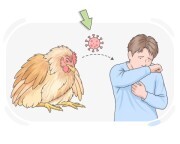
a dangerous disease among birds, especially poultry, that can be transmitted to humans and sometimes kill them
trangkaso ng ibon,avian influenza
Ang bird flu, na kilala rin bilang avian influenza, ay isang viral infection na pangunahing nakakaapekto sa mga ibon.

an infectious disease caused by a type of virus called coronavirus that causes fever, tiredness, a cough, etc., and in some cases can kill, originated in China and later became a pandemic
COVID-19,sakit na coronavirus 2019
Ang COVID-19, na dulot ng bagong coronavirus na SARS-CoV-2, ay lumitaw bilang isang pandaigdigang pandemya noong unang bahagi ng 2020.
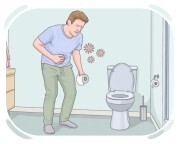
a medical condition in which body waste turns to liquid and comes out frequently
pagtatae,diarrhea
Ang talamak na pagtatae ay maaaring magpahiwatig ng mga kalagayan sa kalusugan at nangangailangan ng medikal na pagsusuri para sa tamang diagnosis at pamamahala.
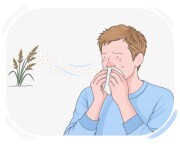
an illness that causes a runny nose and watery eyes, caused by dust from plants that come into the body through the air
hay fever,allergic rhinitis
Ang hay fever, na kilala rin bilang allergic rhinitis, ay isang allergic reaction sa pollen o iba pang airborne allergens.
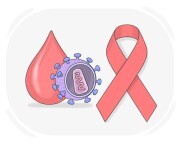
human immunodeficiency virus, a virus that attacks the immune system and can lead to AIDS if untreated
HIV
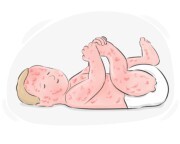
a contagious disease that causes high fever and small red spots on the body, common in children
tigdas,ang tigdas
Ang tigdas ay isang lubhang nakakahawang viral infection na pangunahing nakakaapekto sa mga bata.
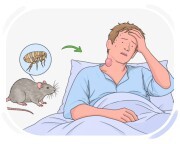
a dangerous disease spread by rats that causes fever and swellings, often kills if infected
salot,itim na kamatayan
Ang mga sintomas ng plague ay maaaring kabilangan ng lagnat, panginginig, sakit ng ulo, panghihina, at masakit na namamagang lymph nodes.
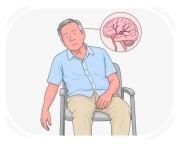
a dangerous condition in which a person loses consciousness as a result of a blood vessel breaking open or becoming blocked in their brain, which could kill or paralyze a part of their body
istrok,atake sa utak
Ang mga karaniwang risk factor para sa stroke ay kasama ang mataas na presyon ng dugo, diabetes, mataas na kolesterol, paninigarilyo, at obesity.
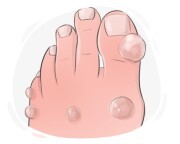
a swollen area on the skin filled with liquid, caused by constant rubbing or by burning
paltos,libtong
Ang paltos ay isang maliit na bulsa ng likido na nabubuo sa balat, karaniwang sanhi ng pagkiskis, paso, o iba pang mga pinsala.
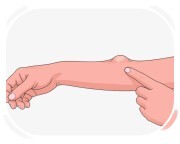
a swelling or hard mass in or on the body, especially one caused by illness or injury
bukol,buhol
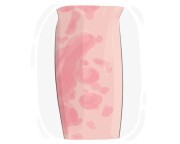
a part of one's skin covered with red spots, which is usually caused by a sickness or an allergic reaction
pantal,ligas
Ang rash ay isang pagbabago sa hitsura ng balat, madalas na nailalarawan sa pamamagitan ng pamumula, mga bukol, o mga paltos.
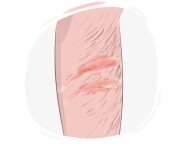
a mark that is left on one's skin after a wound or cut has healed
peklat,marka
Ang peklat ay isang permanenteng marka sa balat na nananatili pagkatapos gumaling ang isang sugat o pinsala.
an area of one's body that has become unusually larger, caused by an injury or sickness
pamamaga,pagkakaroon ng edema
Ang pamamaga ay madalas na nangyayari bilang tugon sa pinsala, impeksyon, o pamamaga, na nagiging sanhi ng paglaki at pagiging sensitibo ng apektadong lugar.
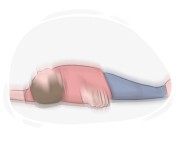
a sudden loss of physical strength that causes someone to fall or become seriously unwell
Ang mga sanhi ng pagbagsak ay maaaring magmula sa dehydration at mababang blood sugar hanggang sa mga problema sa puso o neurological conditions.

a feeling of extreme tiredness that is usually caused by physical or mental overwork or exercise
pagod,hapdi
Ang pagod ay isang estado ng matinding pagkapagod at pagkaubos na maaaring resulta ng pisikal o mental na pagsusumikap.
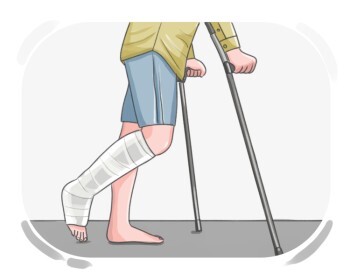
a crack or break in a bone or other hard substance
balì, lamat
Ang fracture ay bumulong ng presensya nito sa bawat hakbang, paalala ng walang humpay na paghila ng gravity at ang kahinaan ng tibay ng tao.
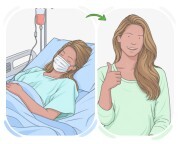
to recover quickly from an illness, failure, or other difficult experience

to state that one feels ill or one's body part is in pain
magreklamo ng,sabihin na masakit ang
Pumunta siya sa opisina ng doktor upang magreklamo tungkol sa patuloy na pananakit ng ulo na matagal na niyang nararamdaman.
to lose consciousness for a short time, especially because of heat, pain, shock, or weakness
himatayin
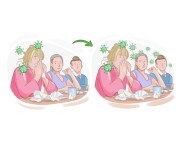
to transmit a disease to a person, animal, or plant
makahawa,kumalat ng sakit
Kung hindi gagawin ang tamang pag-iingat, malamang na mahawa ng virus ang mas maraming indibidwal.

someone who cannot stop taking, using, or smoking a substance
adik,nalulong
Ang mga support group ay nag-aalok ng ligtas na espasyo para sa mga adik upang ibahagi ang kanilang mga karanasan at humingi ng gabay sa daan patungo sa paggaling.
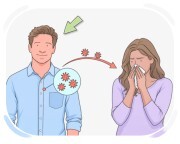
a person or animal that carries an infectious agent without showing symptoms and can transmit it to others
carrier, tagapagdala
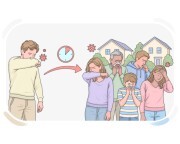
the rapid spread of an infectious disease within a specific population, community, or region, affecting a significant number of individuals at the same time
epidemya,pagkalat ng sakit
Ang epidemya ay nagdulot ng tensyon sa sistema ng pangangalagang pangkalusugan.
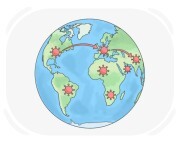
a disease that spreads across a large region or even across the world
pandemya,pandaigdigang epidemya
Sa panahon ng pandemya, ang mga sistema ng pangangalagang pangkalusugan ay nahaharap sa napakalaking pasanin mula sa pagdami ng mga pasyente.
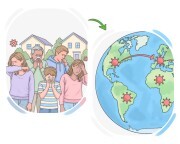
the unexpected start of something terrible, such as a disease
pagsiklab,pagkalat
Ang pagsiklab ng wildfires ay nagdulot ng emergency evacuations sa buong rehiyon.
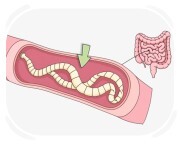
(biology) a small organism that lives on or inside another organism, called a host, and is dependent on it for nutrition and growth
parasito,organismong parasito
Ang relasyon sa pagitan ng host at ng parasite ay madalas na nakakasama sa host, dahil sinasamantala ng parasite ang mga mapagkukunan nito para sa kaligtasan at pagpaparami.
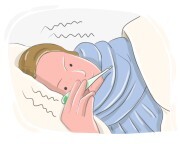
a brief involuntary shaking movement caused by cold, fear, illness, or strong emotion
panginginig, kilabot
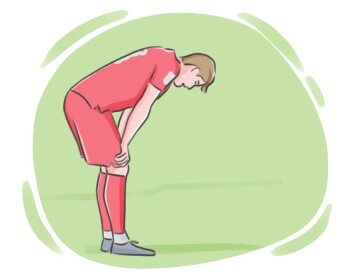
exhausted because of too much physical work
pagod na pagod, lubos na pagod
Pagkatapos magtrabaho ng dobleng shift sa ospital, lubusan siyang naramdamang pagod na pagod at halos hindi na niya mapanatiling nakabukas ang kanyang mga mata.
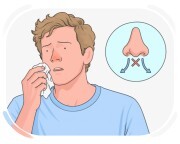
having difficulty breathing through one's nose, often due to a cold or allergy
barado,hindi makahinga nang maayos
Sa panahon ng trangkaso, maraming tao ang nakakaranas ng barado na ilong, na nagpapahirap sa komportableng paghinga.
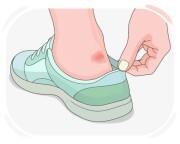
(of a body part) to become sore or irritated due to being rubbed against something
magasgas,mairita
Pagkatapos ng mahabang paglalakad, ang mga strap ng kanyang backpack ay nagdulot ng pangangati sa kanyang mga balikat, na nag-iiwan ng mga pulang marka.
