
Listă de Cuvinte Nivel C1 - Boală
Aici veți învăța câteva cuvinte în engleză despre boală, cum ar fi "agony", "dizzy", "asthma" etc., pregătite pentru cursanții de nivel C1.
Revizuire
Fișe de studiu
Ortografie
Chestionar

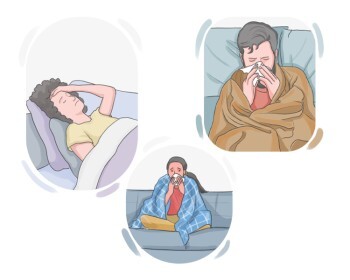
an illness, often a minor one

boală, afecțiune
Ea a vizitat medicul pentru a discuta despre afecțiunea ei persistentă la stomac.
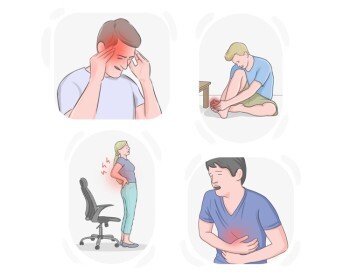
severe physical or mental pain
agonie, suferință
Pacientul a îndurat agonia migrenelor cronice timp de ani.

a group of medical signs that indicate a person is suffering from a particular disease or condition
sindrom
Sindromul Down este o tulburare genetică caracterizată prin dizabilitate intelectuală și trăsături faciale distinctive.
characterized by severe intensity or seriousness
acut, intens
Pacientul a simțit o durere acută în piept, ceea ce a determinat o vizită imediată la sala de urgențe.
(of an illness) difficult to cure and long-lasting
cronic, persistent
Astmul cronic al Mariei necesită medicație zilnică pentru a controla simptomele.
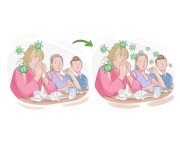
(of a disease) transmittable from one person to another through close contact
contagios
COVID-19 este foarte contagios, răspândindu-se ușor între persoanele din locurile aglomerate.
unable to breathe easily
fără suflare, gâfâind
Criza de astm l-a lăsat fără suflare și luptând pentru aer.
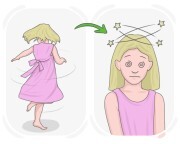
unable to keep one's balance and feeling as though everything is circling around one, caused by an illness or looking down from a high place
amețit, vertiginos
S-a simțit amețită și cu capul ușor după ce s-a ridicat prea repede.
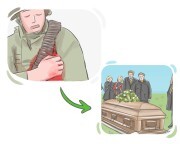
resulting in death
fatal, mortel
Accidentul de mașină a provocat răni fatale șoferului, rezultând în moartea acestuia la fața locului.
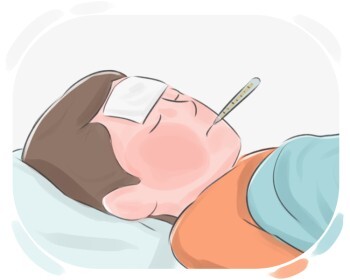
having or caused by a fever
febril, cu febră
Se simțea febrilă și avea frisoane după ce a luat gripă.
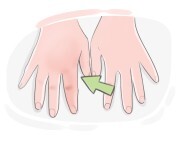
(of a part of the body) unusually large, particularly because of an injury or illness
umflat, inflamat
După ce și-a răsucit glezna, piciorul Sarei a devenit umflat și dureros.
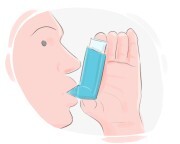
a disease that causes shortness of breath and difficulty in breathing
astm, boală respiratorie
Astmul este o boală pulmonară cronică caracterizată prin inflamație și îngustare a căilor respiratorii.
a dangerous disease among birds, especially poultry, that can be transmitted to humans and sometimes kill them
gripa aviară, influenza aviară
Gripa aviară, cunoscută și sub numele de influenza aviară, este o infecție virală care afectează în principal păsările.
an infectious disease caused by a type of virus called coronavirus that causes fever, tiredness, a cough, etc., and in some cases can kill, originated in China and later became a pandemic
COVID-19, boala coronavirus 2019
COVID-19, cauzat de noul coronavirus SARS-CoV-2, a apărut ca o pandemie globală la începutul anului 2020.
a medical condition in which body waste turns to liquid and comes out frequently
diaree, dizenterie
Diareea este caracterizată de scaune moi, apoase care apar frecvent pe parcursul zilei.
an illness that causes a runny nose and watery eyes, caused by dust from plants that come into the body through the air
febra fânului, rinită alergică
Febra fânului, cunoscută și sub numele de rinită alergică, este o reacție alergică la polen sau alte alergeni aeropurtatori.
the virus that causes a very dangerous disease called AIDS, transmitted through blood or sexual activity
HIV, virusul imunodeficienței umane
HIV atacă sistemul imunitar și slăbește capacitatea corpului de a combate infecțiile.
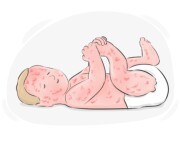
a contagious disease that causes high fever and small red spots on the body, common in children
pojar, boala pojarului
Rujeola este o infecție virală foarte contagioasă care afectează în principal copiii.
a dangerous disease spread by rats that causes fever and swellings, often kills if infected
ciumă, moartea neagră
Ciuma, cunoscută și sub numele de Moartea Neagră, este o boală infecțioasă mortală cauzată de bacteria Yersinia pestis.
a dangerous condition in which a person loses consciousness as a result of a blood vessel breaking open or becoming blocked in their brain, which could kill or paralyze a part of their body
accident vascular cerebral, AVC
Un accident vascular cerebral apare atunci când un vas de sânge din creier fie se blochează (accident vascular cerebral ischemic), fie se rupe (accident vascular cerebral hemoragic).
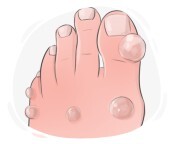
a swollen area on the skin filled with liquid, caused by constant rubbing or by burning
bășică, vezică
O bășică este un mic sac cu lichid care se formează pe piele, de obicei cauzat de frecare, arsuri sau alte leziuni.
a swollen area under the skin, usually caused by a sickness or injury
grumaz, umflătură
Un ghemotoc este o umflătură localizată sau o protuberanță care poate fi simțită sub piele sau în interiorul corpului.
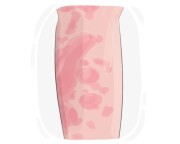
a part of one's skin covered with red spots, which is usually caused by a sickness or an allergic reaction
erupție cutanată, roșeață
O erupție cutanată este o modificare a aspectului pielii, adesea caracterizată prin roșeață, umflături sau bășici.
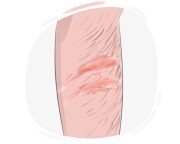
a mark that is left on one's skin after a wound or cut has healed
cicatrice, semn
O cicatrice este un semn permanent pe piele care rămâne după ce o rană sau o leziune s-a vindecat.
an area of one's body that has become unusually larger, caused by an injury or sickness
umflătură, edem
Umflarea apare adesea ca răspuns la o leziune, infecție sau inflamație, determinând mărirea și sensibilitatea zonei afectate.
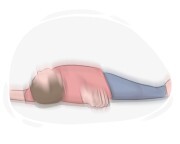
a situation in which a person suddenly falls down or loses consciousness because of tiredness or an illness
colaps, leșin
Un colaps se referă la o pierdere bruscă a cunoștinței sau la cădere din cauza epuizării, bolii sau a unei alte afecțiuni medicale.

a feeling of extreme tiredness that is usually caused by physical or mental overwork or exercise
oboseală, epuizare
Oboseala este o stare de oboseală extremă și epuizare care poate rezulta din efort fizic sau mental.
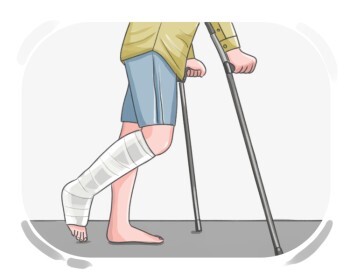
a crack or break in a bone or other hard substance
fractură, ruptură
O fractură este un termen medical folosit pentru a descrie o crăpătură sau ruptură într-un os sau într-o substanță dură.
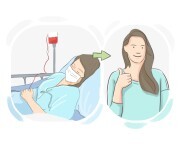
to regain health after an illness or become successful again after facing difficulties
a se recupera, a reveni
Sportivul s-a revenit după o accidentare lungă, surprinzându-i pe toți.
to state that one feels ill or one's body part is in pain
a se plânge de, a declara dureri la
Ea a venit la cabinetul medicului pentru a se plânge de dureri de cap persistente care o deranjau de săptămâni.
to suddenly lose consciousness from a lack of oxygen in the brain, which is caused by a shock, etc.
leșina, pierde cunoștința
Să fie martor la accident a făcut-o să leșine, și a căzut pe loc.
to transmit a disease to a person, animal, or plant
a infecta, a contamina
Sursele de apă contaminate pot infecta persoanele cu boli transmise prin apă.

someone who cannot stop taking, using, or smoking a substance
dependent, toxicoman
Centrul de reabilitare oferă sprijin și tratament pentru dependenți care se luptă cu abuzul de substanțe.
a person or animal that carries a disease, without suffering from it themselves, and transmits to other people or animals
purtător, vector
Deși nu a prezentat simptome, a fost identificat ca un purtător al virusului, răspândindu-l fără să știe la alții.
the rapid spread of an infectious disease within a specific population, community, or region, affecting a significant number of individuals at the same time
epidemie, izbucnire de boală
Epidemia a cauzat o creștere a numărului de internări în spital.
a disease that spreads across a large region or even across the world
pandemie, epidemie globală
În timpul pandemiilor, sistemele de sănătate se confruntă cu o presiune enormă din cauza creșterii numărului de pacienți.
the unexpected start of something terrible, such as a disease
izbucnire, epidemie
Izbucnirea bruscă a gripei a provocat panică larg răspândită în oraș.
(biology) a small organism that lives on or inside another organism, called a host, and is dependent on it for nutrition and growth
parazit, organism parazit
Țânțarul este un parazit binecunoscut care se hrănește cu sângele gazdei sale, transmitând adesea boli în acest proces.
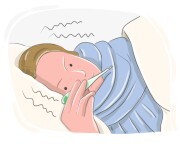
a brief shaking movement of one's body as a result of fear or being cold
fior, tremur
În ciuda pătura groasă, ea nu a putut opri fiorul incontrolabil care i-a străbătut corpul din cauza febrei înalte.
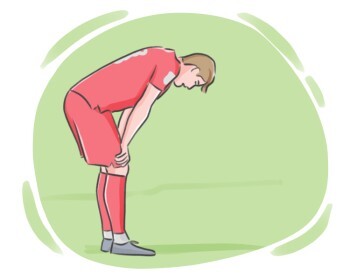
exhausted because of too much physical work
epuizat, obosit
După ce a lucrat un schimb dublu la spital, se simțea complet epuizată și abia putea să-și țină ochii deschiși.
having difficulty breathing through one's nose, often due to a cold or allergy
infundat, blocat
În timpul sezonului gripal, mulți oameni experimentează nasul înfundat, ceea ce face respirația confortabilă dificilă.
(of a body part) to become sore or irritated due to being rubbed against something
irita, freca
După drumeția lungă, curelele rucsacului i-au făcut umerii să se irite, lăsând semne roșii.
