pattern

Elenco di Parole Livello C1 - Malattia

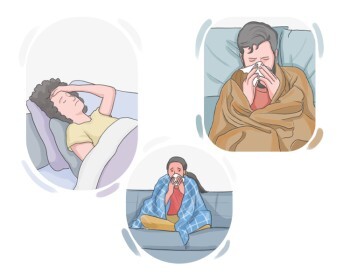
Qui imparerai alcune parole inglesi sulla malattia, come "agonia", "vertigini", "asma", ecc., preparate per gli studenti di livello C1.

Revisione

Flashcard

Ortografia

Quiz

Inizia a imparare
CEFR C1 Vocabulary
ailment
ailment
[sostantivo]

an illness, often a minor one

malattia non grave, indisposizione

malattia non grave, indisposizione

Ex: The clinic offers treatment for a wide range of ailments, from allergies to chronic conditions. 

La clinica offre trattamenti per una vasta gamma di malattie, dalle allergie alle condizioni croniche.
Chiudi
Accedi
agony
agony
[sostantivo]

severe physical or mental pain

dolore estremo

dolore estremo

Ex: Patients with severe burns often experience excruciating agony during treatment. 

I pazienti con gravi ustioni spesso sperimentano un'agonia straziante durante il trattamento.

Chiudi
Accedi
syndrome
syndrome
[sostantivo]

a recognizable group of signs and symptoms that occur together and characterize a particular medical condition

sindrome

sindrome

Ex: Researchers are studying why the syndrome develops in certain patients. 
Chiudi
Accedi
acute
acute
[aggettivo]

extremely severe, intense, or serious

acuto

acuto

Ex: Emma became acutely aware of the problem, but the most acute pressure came from rising costs. 
Chiudi
Accedi
chronic
chronic
[aggettivo]

(of an illness) difficult to cure and long-lasting

cronico

cronico

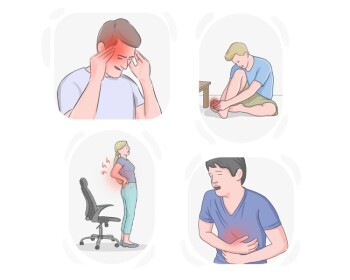
Ex: Sarah's chronic migraine headaches often last for days, despite trying different medications. 

Le emicranie croniche di Sarah spesso durano per giorni, nonostante provi diversi farmaci.
Chiudi
Accedi
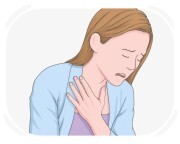
contagious
contagious
[aggettivo]

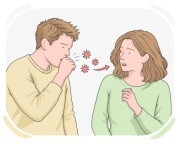
(of a disease) transmittable from one person to another through close contact

contagioso
contagioso

Ex: Quarantine measures were implemented to contain the outbreak of a contagious virus in the community. 
Chiudi
Accedi
breathless
breathless
[aggettivo]

unable to breathe easily

senza fiato

senza fiato

Ex: The sudden onset of bronchitis left her breathless and coughing uncontrollably. 
Chiudi
Accedi
dizzy
dizzy
[aggettivo]

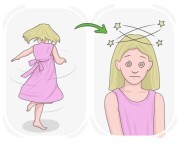
unable to keep one's balance and feeling as though everything is circling around one, caused by an illness or looking down from a high place

stordito

stordito

Ex: Certain medications may cause side effects like dizziness and drowsiness in some patients. 

Alcuni farmaci possono causare effetti collaterali come vertigini e sonnolenza in alcuni pazienti.

Chiudi
Accedi
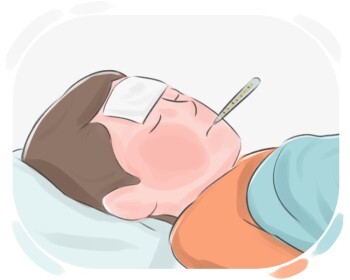
fatal
fatal
[aggettivo]

resulting in death

fatale

fatale

Ex: The hiker fell from a cliff and suffered fatal injuries upon impact. 

L'escursionista è caduto da una scogliera e ha riportato ferite mortali all'impatto.
Chiudi
Accedi
feverish
feverish
[aggettivo]

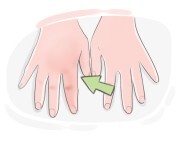
having or caused by a fever

febbricitante

febbricitante

Ex: His feverish state prompted his parents to seek medical attention at the urgent care center. 

Il suo stato febbrile ha spinto i suoi genitori a cercare assistenza medica al centro di pronto soccorso.
Chiudi
Accedi
swollen
swollen
[aggettivo]

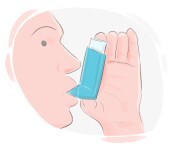
(of a part of the body) unusually large, particularly because of an injury or illness

gonfio

gonfio

Ex: David's swollen face was a result of an allergic reaction to a bee sting. 

Il viso gonfio di David era il risultato di una reazione allergica a una puntura d'ape.
Chiudi
Accedi
asthma
asthma
[sostantivo]

a disease that causes shortness of breath and difficulty in breathing

asma

asma

Ex: It's important for people with asthma to work closely with their healthcare providers to manage their condition and prevent exacerbations. 

È importante che le persone con asma lavorino a stretto contatto con i loro fornitori di assistenza sanitaria per gestire la loro condizione e prevenire esacerbazioni.
Chiudi
Accedi
bird flu
bird flu
[sostantivo]

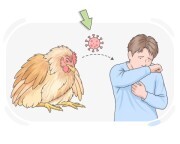
a dangerous disease among birds, especially poultry, that can be transmitted to humans and sometimes kill them

aviaria

aviaria

Ex: Vaccination of poultry and proper hygiene practices on farms are key measures to control outbreaks of bird flu. 
Chiudi
Accedi
Covid-19
Covid-19
[sostantivo]

an infectious disease caused by a type of virus called coronavirus that causes fever, tiredness, a cough, etc., and in some cases can kill, originated in China and later became a pandemic

Covid-19

Covid-19

Ex: The COVID-19 pandemic has had profound socio-economic impacts, leading to changes in healthcare, travel, and everyday life globally. 

La pandemia di COVID-19 ha avuto profondi impatti socio-economici, portando a cambiamenti nell'assistenza sanitaria, nei viaggi e nella vita quotidiana a livello globale.

Chiudi
Accedi
diarrhea
diarrhea
[sostantivo]

a medical condition in which body waste turns to liquid and comes out frequently

diarrea
diarrea

Ex: Chronic diarrhea may indicate underlying health conditions and requires medical evaluation for proper diagnosis and management. 
Chiudi
Accedi
hay fever
hay fever
[sostantivo]

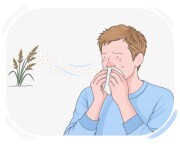
an illness that causes a runny nose and watery eyes, caused by dust from plants that come into the body through the air

febbre da fieno
febbre da fieno

Ex: Avoiding allergen exposure and using air filters can help manage hay fever during pollen seasons. 
Chiudi
Accedi
HIV
HIV
[sostantivo]

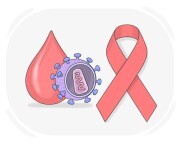
human immunodeficiency virus, a virus that attacks the immune system and can lead to AIDS if untreated

HIV
HIV

Ex: Without treatment, HIV can gradually weaken the immune system. 
Chiudi
Accedi
measles
measles
[sostantivo]

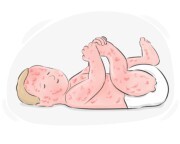
a contagious disease that causes high fever and small red spots on the body, common in children

morbillo

morbillo

Ex: Complications of measles can include pneumonia, encephalitis (brain inflammation), and in severe cases, death. 

Le complicazioni del morbillo possono includere polmonite, encefalite (infiammazione del cervello) e, nei casi gravi, la morte.
Chiudi
Accedi
plague
plague
[sostantivo]

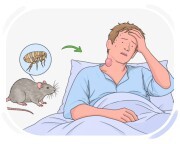
a dangerous disease spread by rats that causes fever and swellings, often kills if infected

peste
peste

Ex: Symptoms of the plague can include fever, chills, headache, weakness, and painful swollen lymph nodes. 
Chiudi
Accedi
stroke
stroke
[sostantivo]

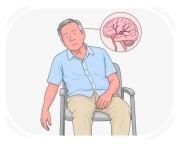
a dangerous condition in which a person loses consciousness as a result of a blood vessel breaking open or becoming blocked in their brain, which could kill or paralyze a part of their body

ictus
ictus

Ex: Common risk factors for stroke include high blood pressure, diabetes, high cholesterol, smoking, and obesity. 
Chiudi
Accedi
blister
blister
[sostantivo]

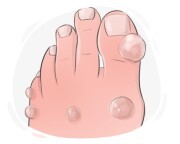
a swollen area on the skin filled with liquid, caused by constant rubbing or by burning

vescica

vescica

Ex: In severe cases, large or infected blisters may require medical attention to prevent complications and promote healing. 

Nei casi gravi, le vescicole grandi o infette possono richiedere attenzione medica per prevenire complicazioni e favorire la guarigione.
Chiudi
Accedi
lump
lump
[sostantivo]

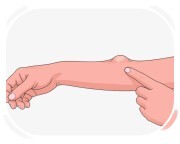
a swelling or hard mass in or on the body, especially one caused by illness or injury

bernoccolo
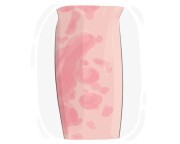
bernoccolo

Ex: The swelling gradually formed a noticeable lump near his knee. 
Chiudi
Accedi
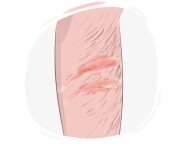
rash
rash
[sostantivo]

a part of one's skin covered with red spots, which is usually caused by a sickness or an allergic reaction

eruzione cutanea

eruzione cutanea

Ex: Treatment for a rash depends on its cause and may involve topical creams or ointments, oral medications, antihistamines, or addressing the underlying condition. 

Il trattamento per un eruzione cutanea dipende dalla sua causa e può coinvolgere creme o pomate topiche, farmaci orali, antistaminici o affrontare la condizione sottostante.
Chiudi
Accedi
scar
scar
[sostantivo]

a mark that is left on one's skin after a wound or cut has healed

cicatrice

cicatrice

Ex: Scars may also carry emotional significance, serving as reminders of past experiences or trauma. 

Le cicatrici possono anche avere un significato emotivo, servendo come promemoria di esperienze passate o traumi.

Chiudi
Accedi
swelling
swelling
[sostantivo]

an area of one's body that has become unusually larger, caused by an injury or sickness

gonfiore

gonfiore

Ex: In some cases, swelling can be managed with over-the-counter medications like ibuprofen, which help reduce inflammation and pain. 

In alcuni casi, il gonfiore può essere gestito con farmaci da banco come l'ibuprofene, che aiutano a ridurre l'infiammazione e il dolore.

Chiudi
Accedi
collapse
collapse
[sostantivo]

a situation in which a person suddenly falls down or loses consciousness because of tiredness or an illness

collasso, svenimento

collasso, svenimento

Ex: After a collapse, the individual may need further evaluation to identify any underlying medical issues and prevent future episodes. 
Chiudi
Accedi
fatigue
fatigue
[sostantivo]

a feeling of extreme tiredness that is usually caused by physical or mental overwork or exercise

fatica

fatica

Ex: Chronic fatigue that persists despite adequate rest may require medical evaluation to identify underlying health issues and develop an appropriate treatment plan. 

La fatica cronica che persiste nonostante un adeguato riposo può richiedere una valutazione medica per identificare problemi di salute sottostanti e sviluppare un piano di trattamento appropriato.
Chiudi
Accedi
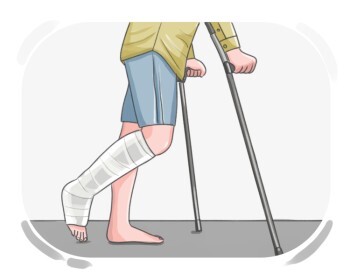
fracture
fracture
[sostantivo]

a crack or break in a bone or other hard substance

fratturare

fratturare

Ex: The fracture whispered its presence with every step, a reminder of gravity's relentless pull and the fragility of human resilience. 

La frattura sussurrava la sua presenza ad ogni passo, un promemoria dell'inesorabile attrazione della gravità e della fragilità della resilienza umana.
Chiudi
Accedi
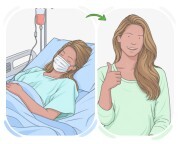
to bounce back

to regain health after an illness or become successful again after facing difficulties

recuperare

recuperare

Ex: The patient's immune system helped him bounce back from the illness. 

Il sistema immunitario del paziente lo ha aiutato a riprendersi dalla malattia.

Chiudi
Accedi
to complain of

to state that one feels ill or one's body part is in pain

lamentarsi di qualcosa

lamentarsi di qualcosa

Ex: Despite complaining of stomach pain, she insisted on finishing the marathon, determined to cross the finish line. 
Chiudi
Accedi
to faint
to faint
[Verbo]

to lose consciousness for a short time, especially because of heat, pain, shock, or weakness

svenire
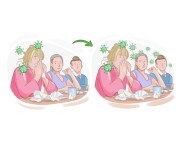
svenire

Ex: Emma had never fainted before that morning. 
Chiudi
Accedi
to infect
to infect
[Verbo]

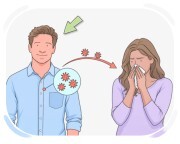
to transmit a disease to a person, animal, or plant

infettare

infettare

Ex: If proper precautions are not taken, the virus will likely infect more individuals. 

Se non vengono prese le dovute precauzioni, è probabile che il virus infetti più individui.

Chiudi
Accedi
addict
addict
[sostantivo]

someone who cannot stop taking, using, or smoking a substance

dipendente

dipendente

Ex: Support groups offer a safe space for addicts to share their experiences and seek guidance on the road to recovery. 

I gruppi di sostegno offrono uno spazio sicuro per gli dipendenti per condividere le loro esperienze e cercare guida nel percorso verso la guarigione.
Chiudi
Accedi
carrier
carrier
[sostantivo]

a person or animal that carries an infectious agent without showing symptoms and can transmit it to others

vettore
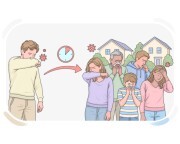
vettore

Ex: The researchers identified several symptom-free carriers in the population. 
Chiudi
Accedi
epidemic
epidemic
[sostantivo]

the rapid spread of an infectious disease within a specific population, community, or region, affecting a significant number of individuals at the same time

epidemia
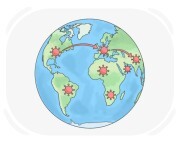
epidemia

Ex: The epidemic put a strain on the healthcare system. 
Chiudi
Accedi
pandemic
pandemic
[sostantivo]

a disease that spreads across a large region or even across the world

pandemia
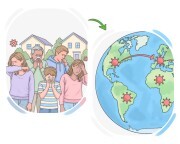
pandemia

Ex: During pandemics, healthcare systems face an enormous strain from the surge in patients. 
Chiudi
Accedi
outbreak
outbreak
[sostantivo]

the unexpected start of something terrible, such as a disease

eruzione
eruzione

Ex: The outbreak of wildfires prompted emergency evacuations across the region. 
Chiudi
Accedi
parasite
parasite
[sostantivo]

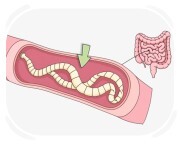
(biology) a small organism that lives on or inside another organism, called a host, and is dependent on it for nutrition and growth

parassita
parassita

Ex: The relationship between the host and the parasite is often detrimental to the host, as the parasite exploits its resources for survival and reproduction. 
Chiudi
Accedi
shiver
shiver
[sostantivo]

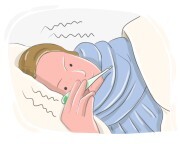
a brief involuntary shaking movement caused by cold, fear, illness, or strong emotion

brivido
brivido

Ex: She pulled the blanket tighter around herself with a shiver. 
Chiudi
Accedi
worn out
worn out
[aggettivo]

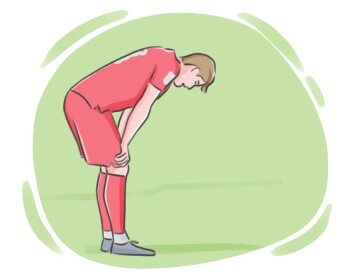
exhausted because of too much physical work

sfinito

sfinito

Ex: Despite feeling worn out from the intense workout, he felt a sense of accomplishment for pushing his limits. 

Nonostante si sentisse sfinito dopo l'allenamento intenso, provava un senso di realizzazione per aver spinto i suoi limiti.
Chiudi
Accedi
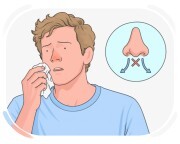
stuffy
stuffy
[aggettivo]

having difficulty breathing through one's nose, often due to a cold or allergy

congestionato, chiuso

congestionato, chiuso

Ex: Every spring, my allergies leave me feeling stuffy, making it hard to catch a full breath through my congested nasal passages. 
Chiudi
Accedi
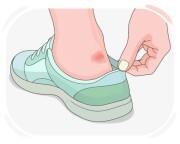
to chafe
to chafe
[Verbo]

(of a body part) to become sore or irritated due to being rubbed against something

irritare, sfregare

irritare, sfregare

Ex: The tight shoes caused her heels to chafe, leading to blisters after just a few hours of walking. 
Chiudi
Accedi
LanGeek
Scarica l'app LanGeek