C1 Level Wordlist - Sickness

Here you will learn some English words about sickness, such as "agony", "dizzy", "asthma", etc. prepared for C1 learners.

review-disable

review

flashcard-disable

flashcard

spelling-disable

spelling

quiz-disable

quiz

start-learning
C1 Level Wordlist
ailment [noun]

an illness, often a minor one

Ex: The elderly often suffer from various age-related ailments such as arthritis .
agony [noun]

severe physical or mental pain

Ex: The agony of arthritis can make simple movements excruciating .
syndrome [noun]

a group of medical signs that indicate a person is suffering from a particular disease or condition

Ex:
acute [adjective]

characterized by severe intensity or seriousness

Ex: Environmentalists warned of the acute threat posed by climate change to vulnerable ecosystems .
chronic [adjective]

(of an illness) difficult to cure and long-lasting
Ex: Tom 's chronic arthritis makes it challenging for him to move around comfortably .
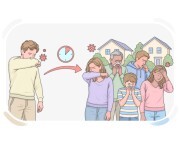
contagious [adjective]

(of a disease) transmittable from one person to another through close contact
Ex:
breathless [adjective]

unable to breathe easily

Ex: Chronic obstructive pulmonary disease ( COPD ) often causes patients to feel breathless , especially during physical exertion .
dizzy [adjective]

unable to keep one's balance and feeling as though everything is circling around one, caused by an illness or looking down from a high place

Ex: Low blood sugar levels can cause people with diabetes to feel dizzy and disoriented .
fatal [adjective]

resulting in death

Ex: The firefighter succumbed to fatal burns while battling the raging inferno .
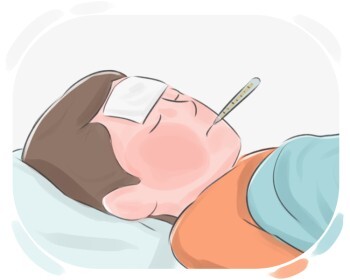
feverish [adjective]

having or caused by a fever

Ex: Taking over-the-counter medication helped alleviate her feverish symptoms temporarily .
swollen [adjective]

(of a part of the body) unusually large, particularly because of an injury or illness
Ex: After the surgery , her face remained swollen for a few days .
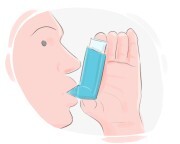
asthma [noun]

a disease that causes shortness of breath and difficulty in breathing
Ex:
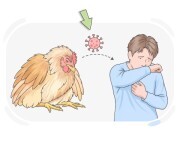
bird flu [noun]

a dangerous disease among birds, especially poultry, that can be transmitted to humans and sometimes kill them

Ex: The transmission of bird flu to humans usually occurs through direct contact with infected birds or their droppings .
Covid-19 [noun]

an infectious disease caused by a type of virus called coronavirus that causes fever, tiredness, a cough, etc., and in some cases can kill, originated in China and later became a pandemic

Ex: Preventive measures such as wearing masks , practicing social distancing , and washing hands frequently are crucial in reducing the spread of COVID-19 .
diarrhea [noun]

a medical condition in which body waste turns to liquid and comes out frequently
Ex: Chronic diarrhea may indicate underlying conditions such as irritable bowel syndrome ( IBS ) or inflammatory bowel disease ( IBD ) .

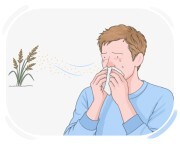
an illness that causes a runny nose and watery eyes, caused by dust from plants that come into the body through the air
Ex: Hay fever symptoms can be triggered by exposure to pollen from grasses , trees , or weeds .
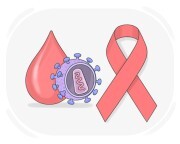
HIV [noun]

the virus that causes a very dangerous disease called AIDS, transmitted through blood or sexual activity

Ex: Antiretroviral therapy ( ART ) helps manage HIV and improves quality of life .
measles [noun]

a contagious disease that causes high fever and small red spots on the body, common in children
Ex: Measles can spread through coughing and sneezing , as well as direct contact with infected droplets .
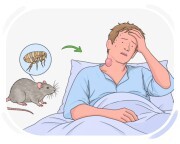
plague [noun]

a dangerous disease spread by rats that causes fever and swellings, often kills if infected
Ex: Without prompt treatment with antibiotics , the plague can be fatal , leading to septicemia ( blood infection ) and organ failure .
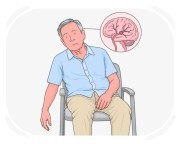
stroke [noun]

a dangerous condition in which a person loses consciousness as a result of a blood vessel breaking open or becoming blocked in their brain, which could kill or paralyze a part of their body
Ex: Immediate medical attention is crucial for stroke treatment to minimize brain damage and potential long-term disabilities .
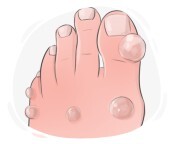
blister [noun]

a swollen area on the skin filled with liquid, caused by constant rubbing or by burning

Ex: Common causes of blisters include wearing ill-fitting shoes , repetitive friction from tools or sports equipment , or exposure to heat .
lump [noun]

a swollen area under the skin, usually caused by a sickness or injury

Ex: Common places where lumps may occur include the neck , armpits , groin , breasts , and joints .
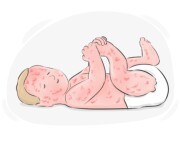
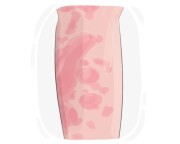
rash [noun]

a part of one's skin covered with red spots, which is usually caused by a sickness or an allergic reaction
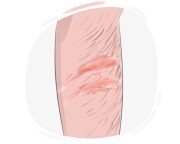
Ex: Common types of rashes include eczema , contact dermatitis , heat rash , and viral rashes like measles or chickenpox .
scar [noun]

a mark that is left on one's skin after a wound or cut has healed

Ex: Common causes of scars include cuts , burns , surgical incisions , acne , and injuries .
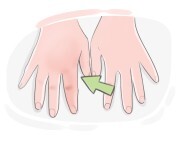
swelling [noun]

an area of one's body that has become unusually larger, caused by an injury or sickness

Ex:
collapse [noun]

a situation in which a person suddenly falls down or loses consciousness because of tiredness or an illness

Ex: Immediate medical attention is crucial for someone who experiences a collapse to determine the underlying cause and provide appropriate treatment .
fatigue [noun]

a feeling of extreme tiredness that is usually caused by physical or mental overwork or exercise
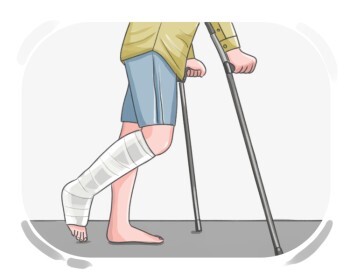
Ex: Symptoms of fatigue may include weakness , difficulty concentrating , irritability , and reduced motivation .
fracture [noun]

a crack or break in a bone or other hard substance
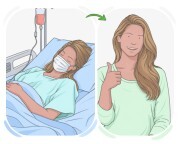
Ex: Symptoms of a fracture include pain , swelling , bruising , and difficulty moving the injured area .

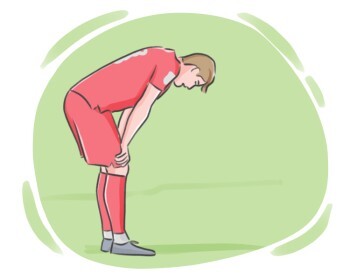
to regain health after an illness or become successful again after facing difficulties

Ex: After a tough year , the business bounced back with higher profits .

to state that one feels ill or one's body part is in pain

Ex: He decided to complain of unfair treatment at work after realizing he was being consistently overlooked for promotions .
to faint [verb]

to suddenly lose consciousness from a lack of oxygen in the brain, which is caused by a shock, etc.

Ex: The sight of blood can be distressing for some people and may cause them to faint .

to transmit a disease to a person, animal, or plant

Ex: Healthcare workers take precautions to avoid infecting patients while providing medical care .
addict [noun]

someone who cannot stop taking, using, or smoking a substance
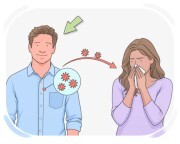
Ex: The documentary shed light on the challenges faced by addicts trying to break free from addiction .
carrier [noun]

a person or animal that carries a disease, without suffering from it themselves, and transmits to other people or animals

Ex: Typhoid Mary became infamous as a carrier of typhoid fever , transmitting the disease to many while remaining unaffected herself .
epidemic [noun]

the rapid spread of an infectious disease within a specific population, community, or region, affecting a significant number of individuals at the same time

Ex: The flu epidemic affected thousands of people last winter .
pandemic [noun]

a disease that spreads across a large region or even across the world
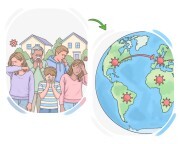
Ex:
outbreak [noun]

the unexpected start of something terrible, such as a disease
Ex: Health officials were concerned about the outbreak of measles in the neighborhood .
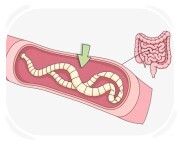
parasite [noun]

(biology) a small organism that lives on or inside another organism, called a host, and is dependent on it for nutrition and growth
Ex: Malaria is caused by a parasite called Plasmodium , which is transmitted to humans through the bite of an infected Anopheles mosquito .
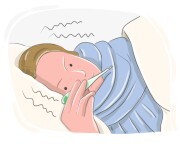
shiver [noun]

a brief shaking movement of one's body as a result of fear or being cold

Ex: The nurse noticed the man 's persistent shiver and recommended he see a doctor immediately , suspecting it was more than just a cold .
worn out [adjective]

exhausted because of too much physical work
Ex: He looked worn out after spending the entire weekend moving heavy furniture into his new apartment .
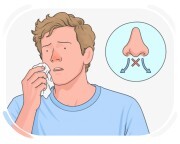
stuffy [adjective]

having difficulty breathing through one's nose, often due to a cold or allergy

Ex: When allergies strike , they often bring about a stuffy nose , hindering the ability to breathe freely .
to chafe [verb]

(of a body part) to become sore or irritated due to being rubbed against something

Ex: Wearing ill-fitting shoes caused his heels to chafe , resulting in painful blisters .